


A local history venue just outside Glasgow is reopening its doors to the public four years later than the original 2022 target, in what might best be described as a “long cultural COVID” case.
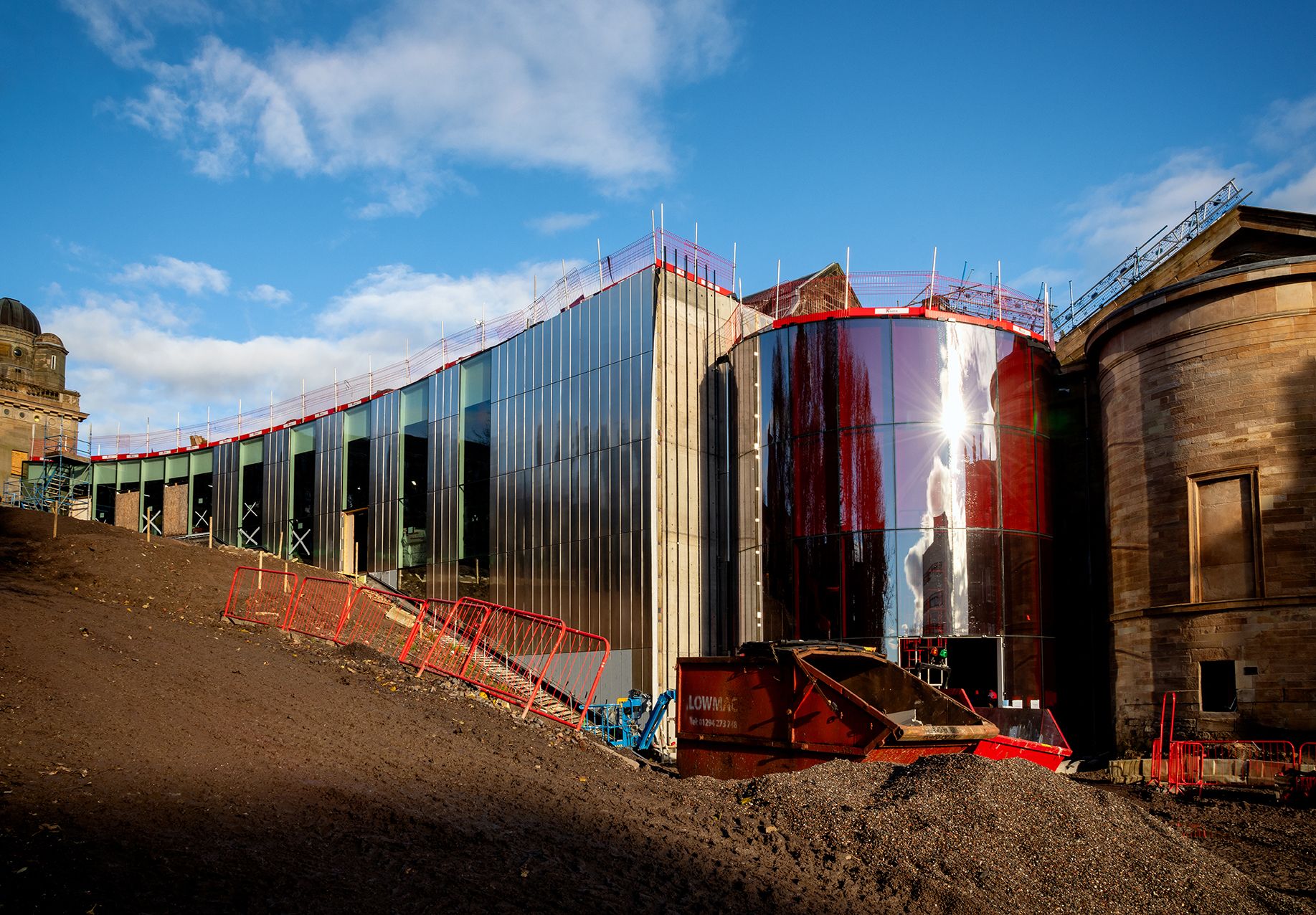
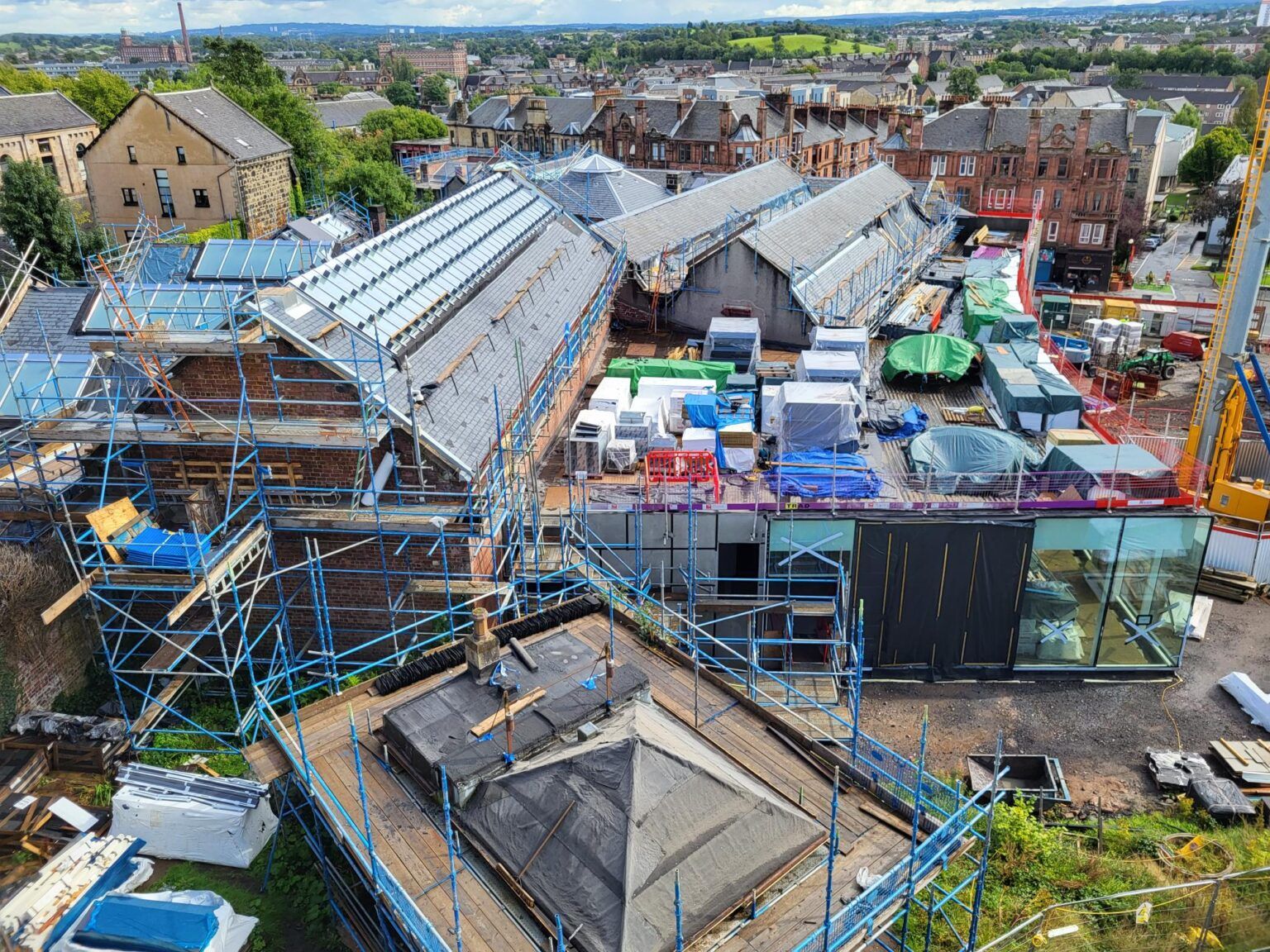
The revamped Paisley Museum has emerged from a £68.7 million (approximately €79 million) renovations led by Renfrewshire Council with a striking new look. The project was held back by a dearth of materials linked to the global pandemic, as well as rising construction costs and inflation.
A striking, dramatic red glass façade now greets visitors on the High Street, encouraging them to “naturally drift in”. The light-filled extensions bridge the gap between the historic complex and contemporary architecture, while the bold red frontage is intended to evoke the town’s radical spirit and capacity for reinvention.
Two buildings have also been extensively renovated: the main, A-listed building and the Coats Observatory, which is recognised as Scotland’s oldest public observatory. Both structures have been restored while preserving their historic character.
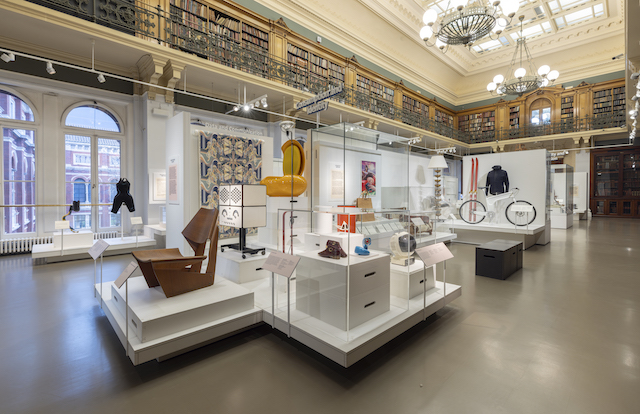
Inside, the museum now offers double the exhibition space across every floor in state-of-the-art galleries. An outdoor garden and new public spaces have been landscaped, and a café and museum shop have been added. The museum will also boast a dedicated learning space, an archive centre, a weaving studio and digital interactive experiences throughout its exhibitions.
A new wing is also planned to connect the Coats Observatory to the main building. This will include a telescope, giving visitors the opportunity to stargaze.
OneRen, a Renfrewshire cultural charity, will operate the museum and hopes to welcome 125,000 visitors a year.
While acknowledging the considerable challenges faced during the refurbishment, Renfrewshire Council’s spokesperson, Lisa-Marie Hughes, shows unfailing optimism:
“As with many projects involving historic buildings and with this being the first major refurbishment in its 150-year history, there have been challenges”, she said. “But I’m excited for us to now look forward to the fit-out process as we create the environment that will allow us to tell the stories of Paisley’s history and its people.”
The museum’s website describes the building as the product of a “bold and radical community” that defied social division and came together around a shared interest in the natural world, science, art, and history.
Inaugurated in 1871, the museum was built by and for the people of Paisley, driven by what it calls the “curious spirit” of the community. The region was booming in the early nineteenth century thanks to its weaving industry, which brought prosperity and, with it, a growing appetite for education. The museum’s precursor, the Paisley Philosophical Institution, which was founded in 1808, promoted education for all through public lectures, and it also began collecting artefacts, scientific apparatus, objects, and books. In 1867, Sir Peter Coats agreed to finance a dedicated building to house the new museum.
Hughes framed the project as both cultural and economic investment, adding: “We will have a visitor attraction that local people and communities will be proud of and one that will attract thousands of visitors to the town each year, who will boost the local economy”.
Designed by the international architecture firm AL_A and constructed by HUB Build, the project was made possible through a partnership between Renfrewshire Council, the Scottish Government and major heritage funders, including the National Lottery.
OneRen’s project director, Kirsty Devine, aims to establish the museum as one of Europe’s leading cultural destinations. This may well happen, as the museum has already won a major international award: the AR Future Project Award. It beat the Prado Museum in Madrid to win the award.