

With the conflict between Israel, the US, and Iran estimated to be costing the travel sector $600 million daily, negative consumer sentiment and fears of disruption are spilling into the wider region. Some would-be vacationers are now questioning how safe it is to visit Türkiye — a nation that forms a strategic crossroads between the Black Sea, Mediterranean, and Middle East.
Türkiye recorded an all-time high of 63.94 million tourists overall in 2025, and 52.78 million of them were international visitors. Turkish Statistical Institute (TurkStat) figures show tourism revenues increased 6.8% to $65.23 billion, exceeding the official Medium-Term Program (OVP) target of $64 billion.
But those successes could be under threat if traveller sentiment turns against the Anatolian republic, especially in Russia, Germany and the UK, which are the country’s top source markets. The UK’s Foreign and Commonwealth Development Office (FCDO) updated its advice on 1 March 2026 to note that “regional escalation poses significant security risks and has led to travel disruption.” It also added information about entering Türkiye across the land border from Iran.
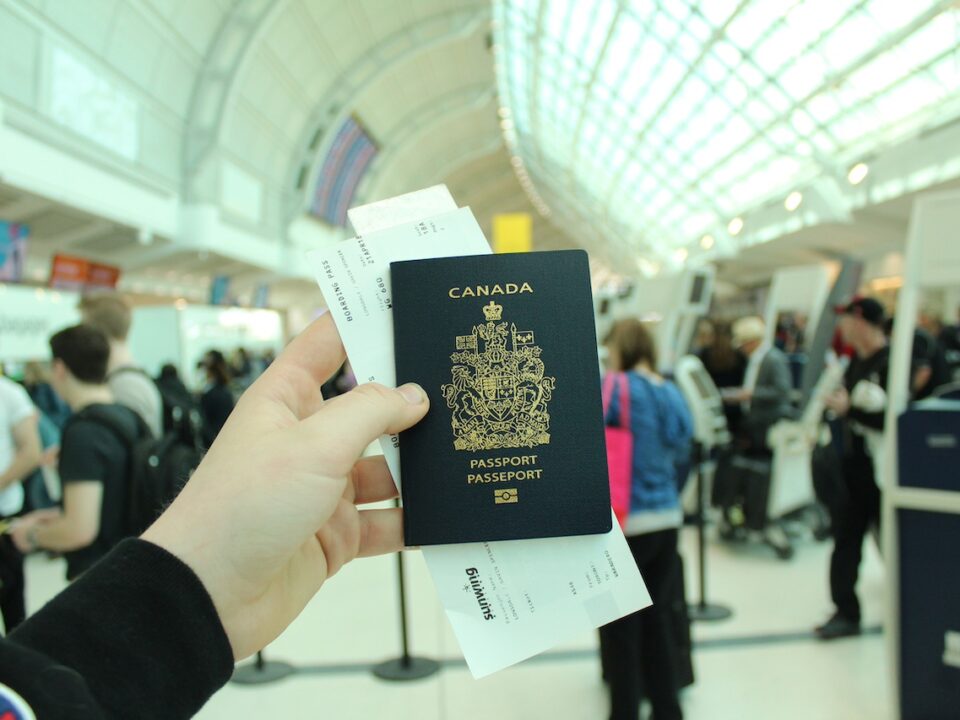
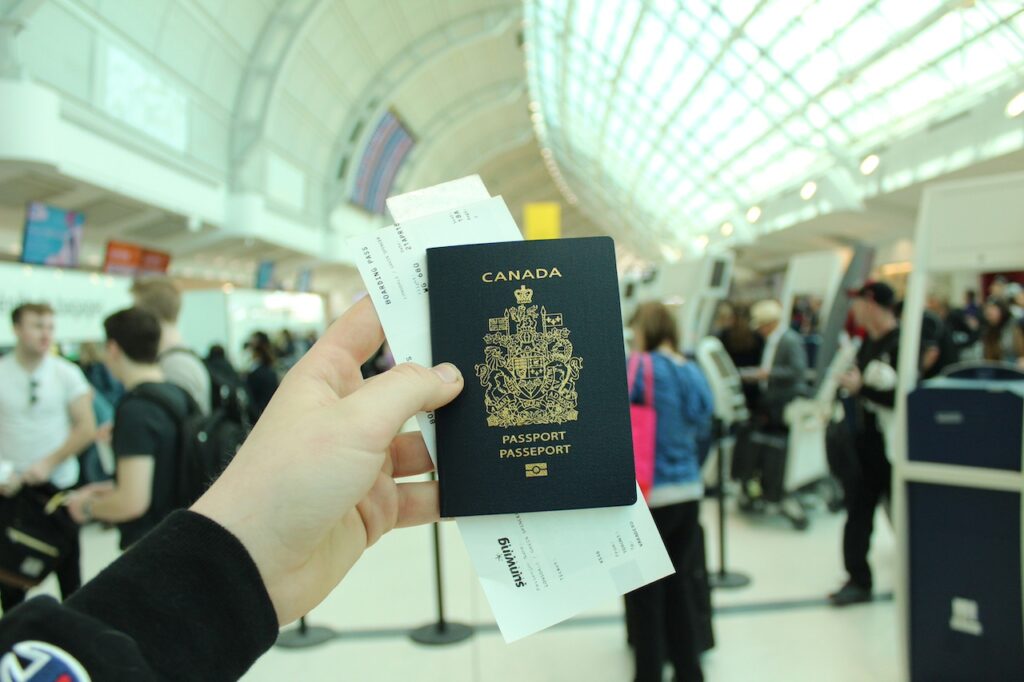
The border remains open visa-free for people travelling on UK or Iranian passports (for stays of up to 90 days). British nationals intending to cross the land border from Iran into Türkiye, “must request facilitation from the British Embassy in Ankara by contacting the FCDO before travelling to the border.” These travellers must state which border point they intend to use and provide personal details (name, date of birth, details of travel document used to enter Türkiye). They should also indicate whether they are contacting from Iran or from the UK on behalf of a relative.
#Turkey New information about entering Turkey across the land border from Iran https://t.co/P8KRF01Kao pic.twitter.com/mJuG82rJVk
— FCDO Travel Advice (@FCDOtravelGovUK) March 1, 2026
Turkish authorities have also advised that Iranian authorities have closed the crossing point at Esendere-Serow on the Iranian side to daily traders entering and exiting over the course of a day. Still, the usual entry requirements will apply, including the fact that British nationals can enter without a visa for up to 90 days in any 180-day period. Anyone intending to leave Iran overland does so at their own risk, the alert says, pointing out that “In Iran, holding a British passport or having perceived connections to the UK can be reason enough for the Iranian authorities to detain you.”
The FCDO warning also advises against all travel to “within 10km of the border with Syria due to fighting and a heightened risk of terrorism.” However, this is not new guidance, with similar warnings about southeastern parts of the country bordering Syria and Iran, as well as terrorism risks elsewhere, dating back over 20 years.
Due to regional events, we advise U.S. citizens to:
— U.S. Embassy Türkiye (@USEmbTurkiye) February 28, 2026
•Avoid travel to southeastern Türkiye, including areas bordering Iran, Iraq, and Syria.
•Stay alert to demonstrations
•Check with travel providers – regional military activity may disrupt flights
•Monitor local media &… pic.twitter.com/AR180jYyhn
Despite those warnings, central and western coastal regions have remained popular destinations—and continue to function untouched amid the current security situation hitting southern and Gulf neighbours, PA Turkey reports.
The affected territories are thousands of kilometres away, tourism officials, operators and stakeholders emphasise. Meanwhile, the daily activity of those living and vacationing in Türkiye’s capital, Istanbul, and the country’s Mediterranean and Aegean “riviera” resorts such as Antalya, Bodrum, Fethiye, and Marmaris, “remains largely unaffected,” the news platform reports.
In terms of aviation, flights from European hubs to Turkish airports and with Turkish Airlines are still operating normally. As is the case for carriers internationally, the only cancelled flights are those to destinations in the Middle East and the Gulf, such as Dubai, Doha, and Bahrain, closed because of the threat to airspace posed by the Israel, US, and Iran conflict.