


One of Europe’s most isolated and dramatic destinations is once again inviting tourists to go there on a journey of discovery, curated for them by locals and with no advance idea of what lies ahead.
Located between Iceland, Norway, and the Scottish Hebrides and Shetland Isles, the Faroe Islands is a self-governing archipelago of volcanic land and seascapes, heaths, waterfalls, and plunging cliffs, connected by bridges, causeways, road tunnels, and ferries.
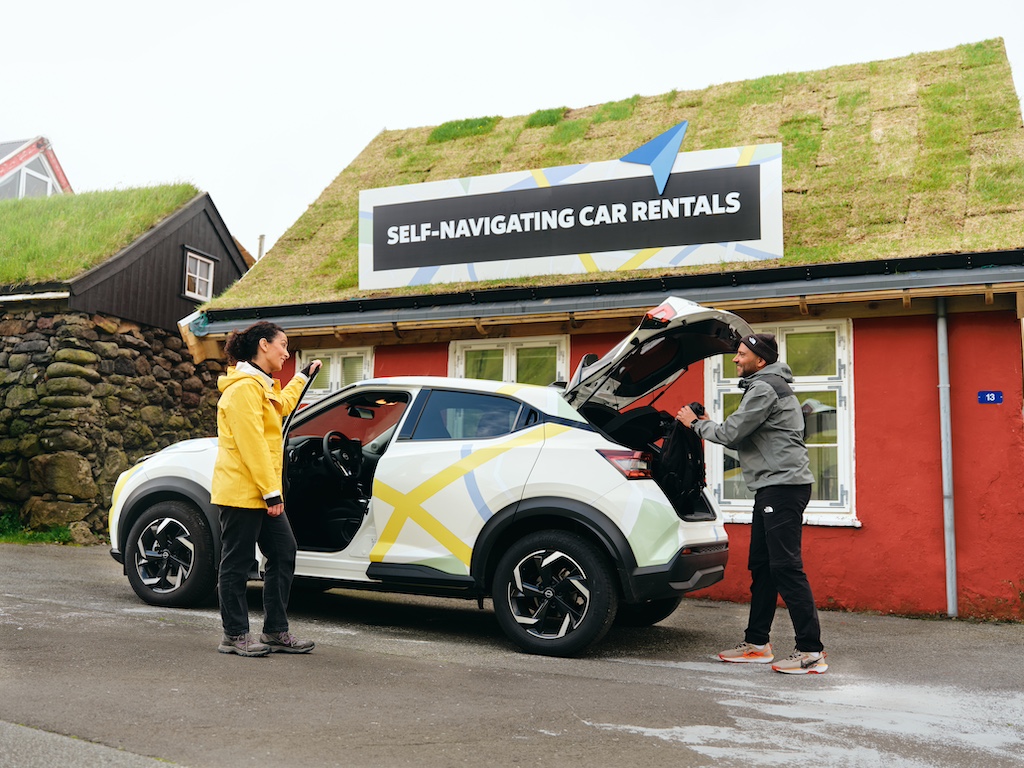
Destination manager (DMO) Visit Faroe Islands is repeating an initiative first tried in 2025, promoting road trips in “self-navigating” cars, where the vehicles’ GPS is preprogrammed with unique outings to spots selected by locals, and unknown to the holidaymaker in advance.
The benefits are three-fold. First, the self-driving tours create a sense of adventure and mystery for tourists who, in these days of influencers and online tools, can find themselves overwhelmed by information about their holiday location before they even reach it. Second, tourist footfall and spending are distributed more evenly across the Faroes, helping to limit crowding and share revenues. And thirdly, the tours shine a light on places that are off-the-beaten track, beating the algorithm.
Up to six landmarks are included in each tour, which lasts between three to six hours. For 2026, there are 45 itineraries, with 15 new ones complimenting the original 30, as well as rest stops. Among the treats in store, self-driving tourers could find themselves venturing to Viðareiði Church, with stunning sea cliff views, or standing on the shores of Lake Funningsvatn, lesser known than its famous Sorvagsvatn sister, or exploring a World War II fortress.
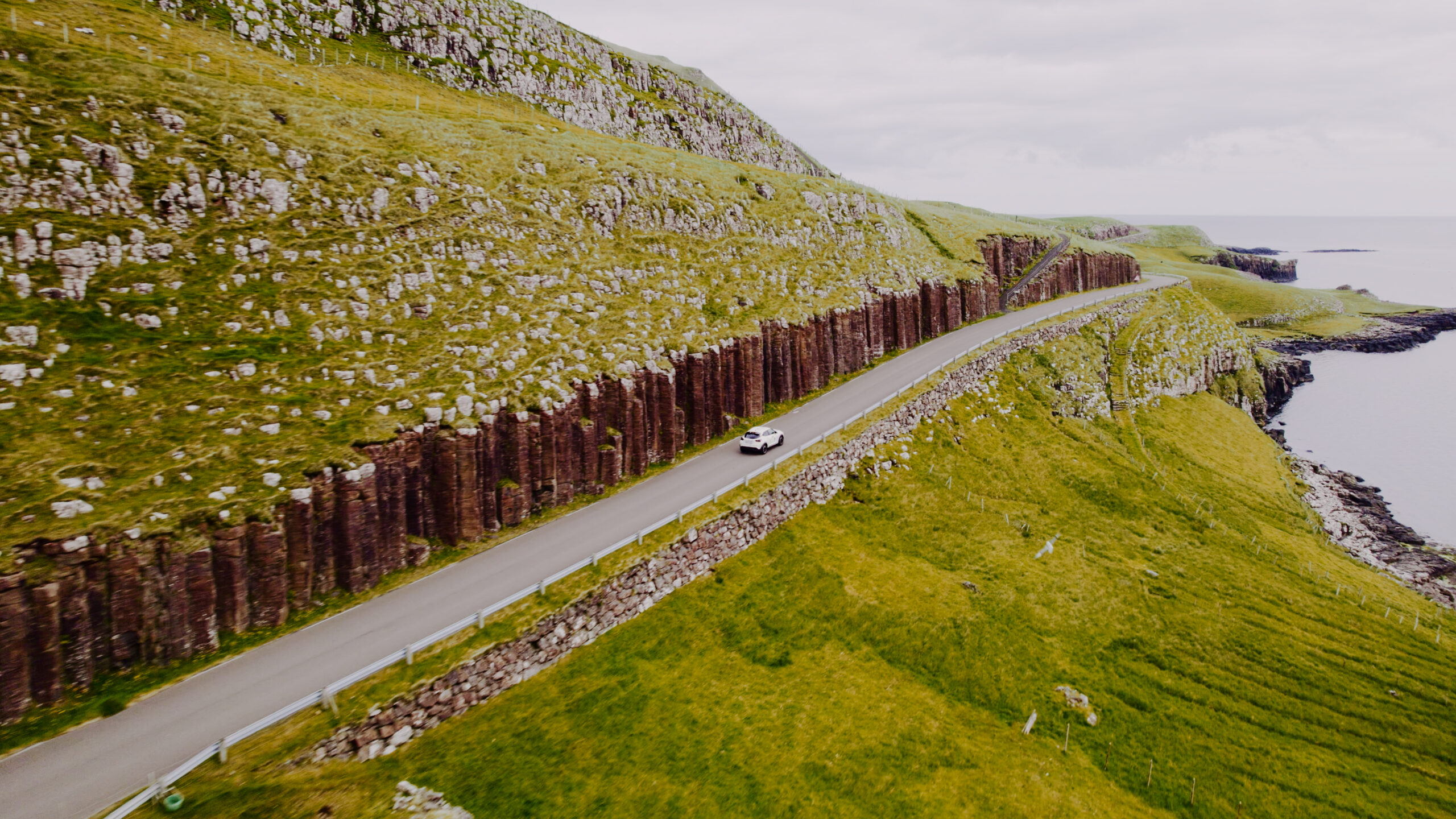
When Travel Tomorrow generated a tour using the Visit Faroe Islands app, only the first stop, a café in the harbour town of Tvøroyri, was visible. This is because a key aspect of the concept is that visitors will not know exactly where they are going, with only one stop at a time revealed over the course of the odyssey.
“We’re really just asking travellers to let go of control for a moment. When you don’t know what’s around the next corner, you open yourself up to something completely different. Maybe something more beautiful. Maybe just more real,” explains Marta Káradóttir, project, content and communications manager at Visit Faroe Islands.
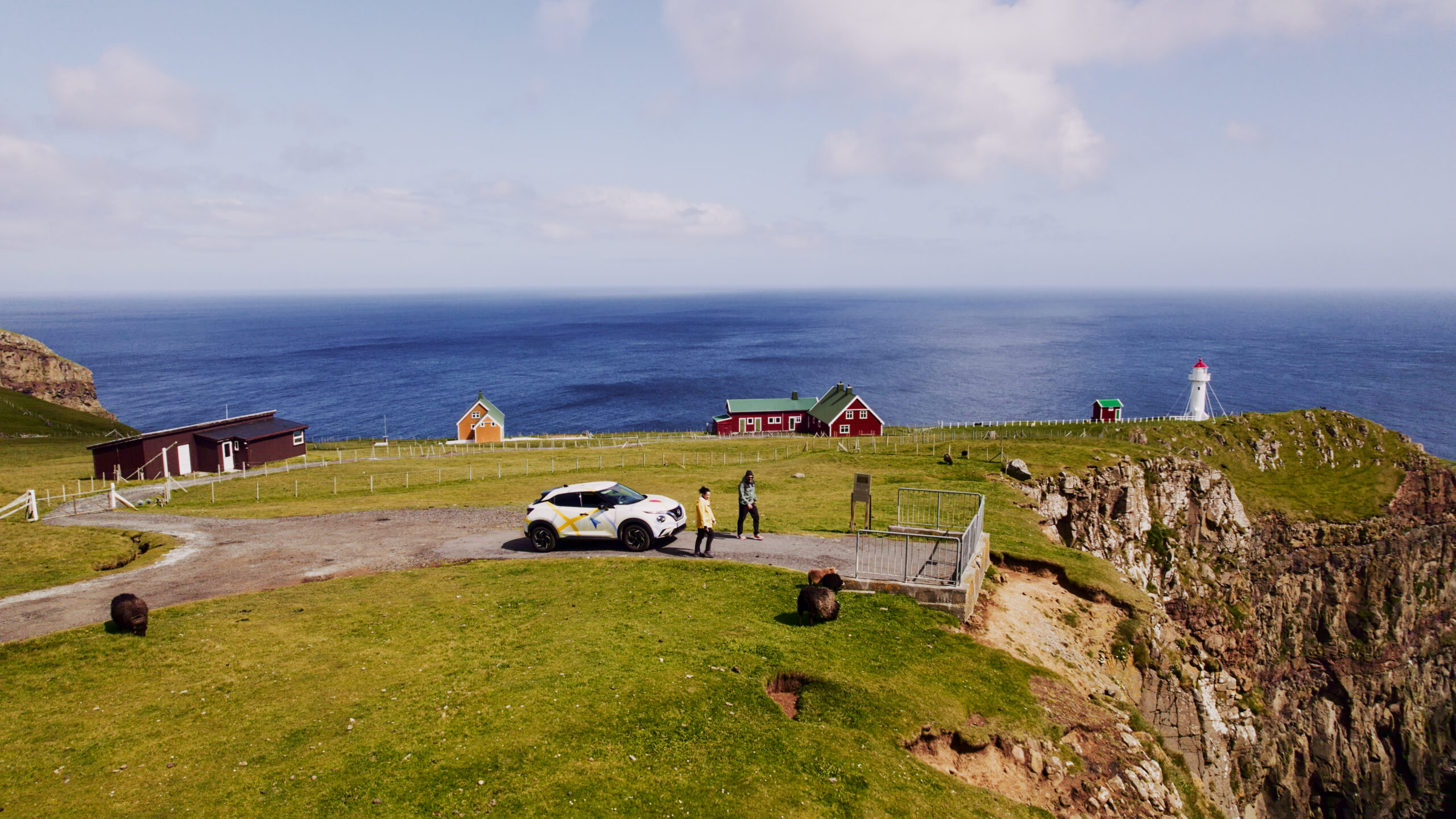
Reviewers quoted on the DMO site praise the sense of local welcome the trips engender, calling it “an amazing way to experience the destination. Feels like you’re being invited on the island instead of imposing on the place.” They also mention the escape from overtourism and are happy that “these itineraries offer a more thoughtful kind of experience, designed to reveal places that are often overlooked – like Sandoy. Such a whimsical island full of hidden treasures.”
While not all tourists will enjoy the sense of “not knowing where they are going,” authenticity and cultural immersion are massive travel priorities for consumers right now, and Gen Z in particular is fond of small town tourism. Plus, the archipelago could be argued to attract exactly the kind of visitor who is up for such an “unplanned” adventure. It is, after all, already quite a challenge to get to the Faroes. Connections to its lone airport, Vágar, are often seasonal, or there’s a 30-hour ferry from Denmark. If visitors have taken the time and trouble to line up those logistics, they could well be ready to sit back, relax, and let locals put together the rest of their itinerary – one hidden gem at a time.