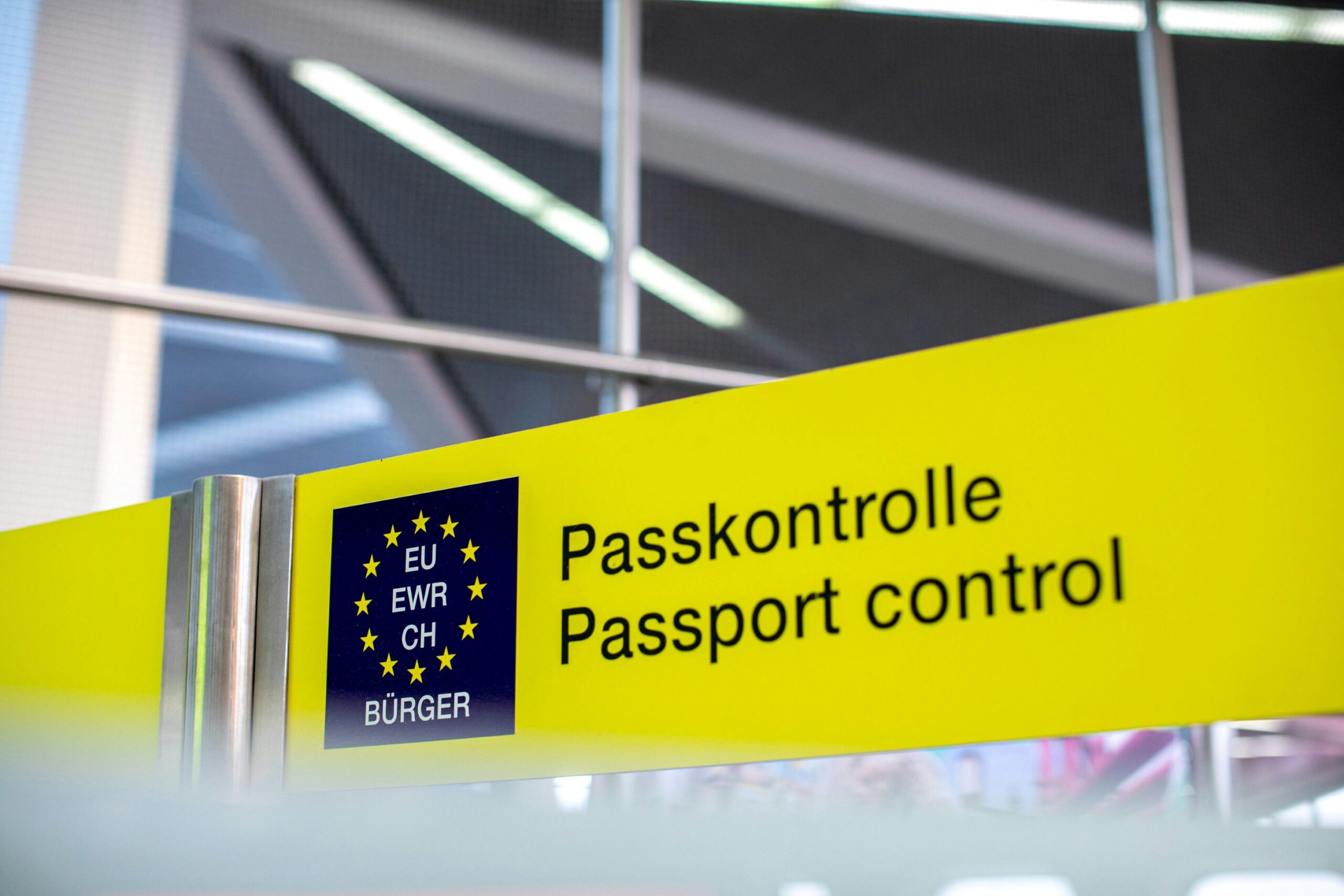



The European Commission is reportedly considering delaying the launch of its new travel pre-authorisation system (ETIAS), according to a story broken by the Financial Times, reporting discussions taking place within the Commission about postponing the ETIAS rollout.
ETIAS will bring a United States-style pre-screening approach to border security. It will see non-EU nationals who benefit from visa waivers for the Schengen Area being required to apply for pre-authorisation to travel.
Applications will take place online and will entail would-be visitors to Europe inputting their personal details, travel history, and criminal record, as well as paying a €20 processing fee. Once granted, the authorisation will be valid for stays of up to 90 days within any 180-day period.
@_perlaceron Heads up if Europe is on your 2026 or 2027 travel list ‼️ ETIAS is coming…it’s NOT a visa, it’s a quick online authorization that every American will need before boarding a flight to France, Italy, Spain, Greece and 30+ other countries. Drop where you’re headed in Europe and tell me…did you already know about this?! #etias #europetravel #traveltips #travelalert #travelnews ♬ original sound – Perla Ceron | Travel Advisor✈️
But with ETIAS due to start in late 2026 after several delays already, EU officials are reportedly becoming increasingly concerned about the system’s implementation. While the bloc continues to maintain that the last quarter of the year is still the target, eu-LISA, the agency responsible for the Etias rollout, no longer believes that timetable is achievable, according to three unnamed insiders who spoke to the Financial Times.
Part of the problem is software development, with the system still not fully functional. Adding to that is the shaky start to the EU’s new Entry/Exit System (EES), which came online on 10 April 2026 and is a building block for ETIAS.
Planning to #TravelToEurope in summer? You may hear about two new EU border systems: EES and ETIAS.
— EU Home Affairs (@EUHomeAffairs) June 29, 2026
The Entry/Exit System (EES) is fully operational since 10 April 2026. ETIAS is a travel authorisation expected to start in the last quarter of 2026.
Learn the differences 👇 pic.twitter.com/JKLAcOjB87
The EES requires third-country nationals visiting the EU to register their personal data, including biometrics, which are stored for up to three years to allow the region to better track immigration arrivals and departures. But its rollout has caused widespread travel disruption, with chronic airport queues and port delays experienced across the EU, while some countries have unilaterally suspended its implementation and various stakeholder groups have warned of catastrophic financial losses.
Against that EES backdrop, and with officials estimating that resolving the disruption could take two years, the arrival of Etias on time by the end of 2026 is looking more and more unlikely. Discussions about postponing the rollout reportedly took place in June, with a review set for September, the FT‘s sources said.
For now, though, eu-LISA is toeing the bloc’s line, telling reporters that “at this moment, the proposed entry into operation remains Q4 2026. Preparations for the launch of Etias are ongoing, in close cooperation between the European Commission, eu-LISA and Member States.”
Nonetheless, at the same time, it hinted at possible changes to the schedule to come, adding: “The exact date for the entry into operation of Etias will be proposed by the European Commission, following consultation with eu-LISA and Member States.”