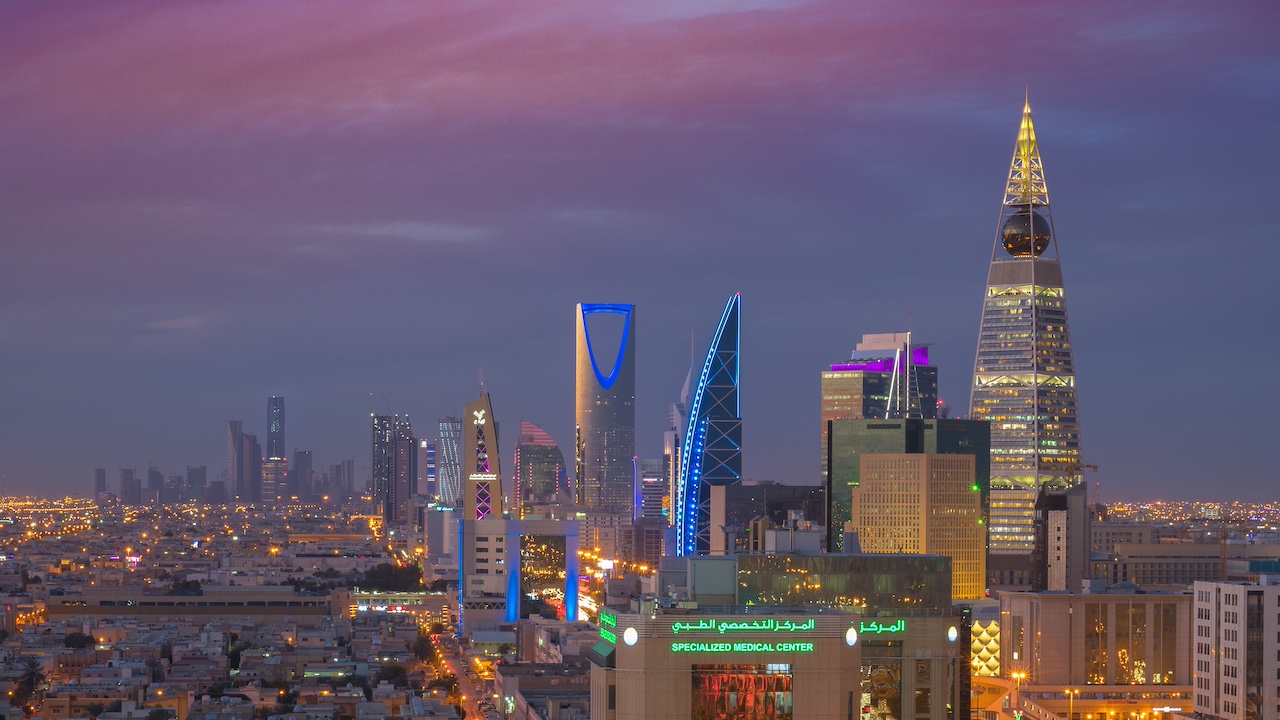



Europe’s fascination with Saudi Arabia keeps growing, with holidaymakers from the continent expected to play a major role in the next phase of its tourism boom, as the Kingdom’s efforts to reinvent itself as a leisure destination appear to be paying off.
International leisure travel to Saudi Arabia is forecast to increase by 93% between 2025 and 2030, but growth from Europe is expected to exceed this figure, with visitor numbers predicted to surge by 130%.
The figures come from new research by Tourism Economics, an Oxford Economics company, presented last week at WTM Spotlight Riyadh, a Saudi tourism industry event. Europe was already Saudi Arabia’s fastest-growing long-haul leisure market between 2019 and 2025, with visits increasing by 61%.
Under its Vision 2030 reform plan, Saudi Arabia is banking on tourism as a key pillar of its efforts to diversify its oil-dependent economy, with the aim of attracting 150 million domestic and international visitors annually by 2030.
While the Middle East remains the largest source market by far, accounting for 82% of leisure trips in 2025, Europe is the largest long-haul market, accounting for 10%. Overall, long-haul markets are forecast to account for 54% of international leisure travel by 2030, up from 47% in 2025. Arrivals from Asia and North America are also expected to more than double between 2025 and 2030.
Germany and Italy are among Europe’s standout leisure markets, with visitor numbers from both countries expected to more than triple by 2030.
“Saudi Arabia has rapidly emerged as one of the world’s most dynamic visitor economies,” said Dave Goodger, Managing Director, EMEA, at Tourism Economics.
He added that the country was benefiting from sustained investment and destination development, which translated into international visitors now accounting for almost half of all nights spent in the Kingdom.
The share of total visitor spending accounted for by international leisure tourists has also increased, rising from 9% in 2019 to 28% in 2025 and is expected to reach 31% by 2030.
However, growth may increasingly come from Asia. While Tourism Economics expects only “modest increases” in leisure nights from the UK, France and Spain, it forecasts a 46% rise in nights from Thailand, and at least a 50% rise in nights from Indonesia, Australia and Singapore.
@emmarobertts_ A quick trip to Riyadh, Saudi Arabia 🇸🇦 #riyadh #saudiarabia #diriyah #riyadhseason #saudiaarabia🇸🇦 ♬ original sound – Gio
Saudi Arabia’s rise as a desirable tourist destination has been astonishing. In barely half a decade, the Kingdom has moved from “the edge of the global tourism map towards its centre”, as highlighted in the Tourism Economics report.
China is also on Saudi Arabia’s radar, with more than half of surveyed Chinese travel agents already offering trips to the Kingdom and nearly a third naming it as one of their top future destinations.
Overall visitor nights in the Kingdom have more than doubled since 2019, reaching 1.1 billion, and the outlook is even brighter thanks to mega-projects such as the Red Sea development and the 2034 FIFA World Cup, which Saudi Arabia will host.
To widen its pool of visitors, Saudi Arabia has relaxed its visa rules and signed agreements with an expanding number of countries in Europe and Asia. Citizens of all 27 EU countries can now apply online for a one-year multiple-entry visa allowing stays of up to 90 days.
While Makkah and Madinah remain the Kingdom’s most popular destinations, Jeddah and Riyadh are growing in popularity as urban destinations, and AlUla is emerging as a major attraction in the desert.