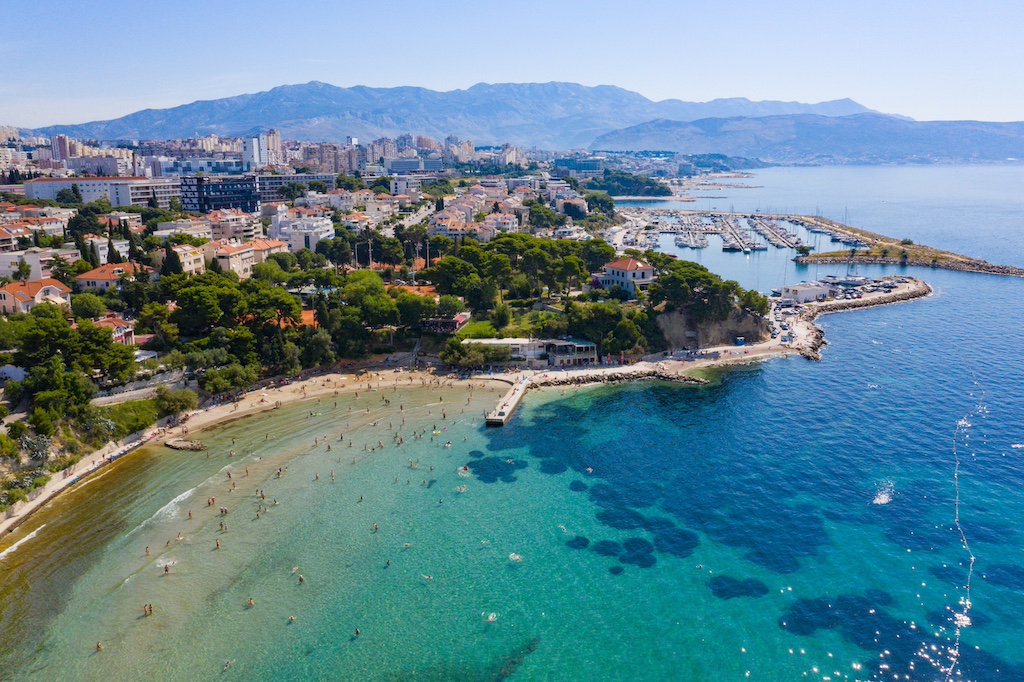



The coastal city of Split, one of Croatia’s major tourist destinations, is looking to introduce restrictions on the sales of alcohol starting from the summer of 2026. The new measure should guarantee the local quality of life and would only apply to grocery stores and liquor shops in certain areas of the town.
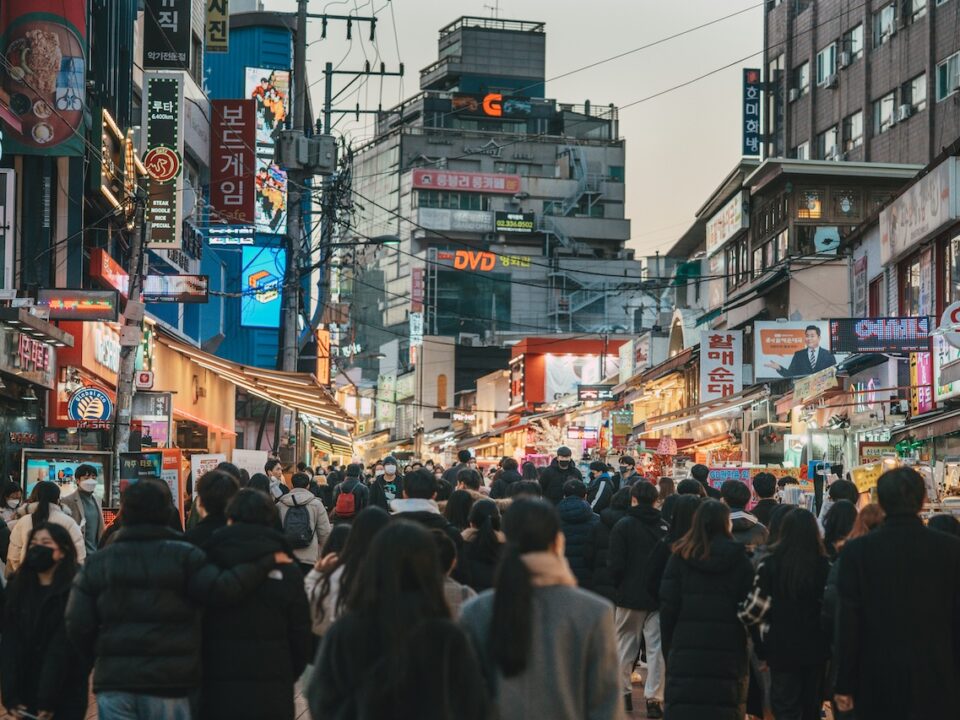
While the Croatian city of Split is well-known for its stunning beachfront and historical town, over the years, it has also become a popular nightlife destination. While the beach clubs and bars contribute to the local economy, unruly tourists have become a nuisance for those who live in the neighbourhoods where nightlife is buzzing.
In order to resolve that issue, some of the city’s officials, and in particular Mayor Tomislav Šuta, have submitted a proposal to amend Split’s Trade and Hospitality Act.
“We are moving towards limiting nighttime work in accordance with the new law, with the aim of introducing order. The City of Split will participate in the discussion and public consultation so that we can reach a decision that is important for our residents by consensus”, Split’s mayor Tomislav Šuta told Croatian news outlet Net.hr.
The new proposal aims to regulate alcohol sales hours in certain parts of Split, particularly those with many bars, restaurants, and nightclubs. While nothing would change for such licensed venues, a local alcohol sales ban would apply to liquor shops from 8:00 pm to 6:00 am. The mayor hopes that if such a ban were to be applied as soon as the summer of 2026, the quality of life and overall safety would increase for those who live in the targeted areas.
Other initiatives to control nightlife
In some Croatian cities, including Split and Dubrovnik, other initiatives have already been put in place in order to regulate unruly behaviour. For example, drinking alcohol or using drugs in public spaces and urinating or vomiting can already lead to an on-the-spot fine of up to €700. Moreover, fines for public order disturbances such as fighting or verbal abuse can go as high as €4,000.
If the ban on alcohol sales in Split were to go through, the Croatian city would not be the first popular tourist destination to take such an initiative. For example, in the city of Porto in Portugal, supermarkets, wine cellars, convenience stores, and souvenir shops cannot sell alcohol between 9:00 pm and 8:00 am within the city’s so-called ‘containment zone’. Similar to the situation in Split, the initiative was born out of a need to limit street drinking and the associated disturbances.