


As the Philippines assumes the rotating chairmanship of ASEAN for 2026, the country has chosen Cebu as the stage on which to set the tone for a pivotal year in regional cooperation. The opening of the 45th ASEAN Tourism Forum (ATF) in Cebu City this week placed tourism firmly at the centre of Southeast Asia’s economic, social, and diplomatic agenda, with sustainability and inclusivity emerging as the defining themes for the decade ahead.
Formally opened by Philippine President Ferdinand R. Marcos Jr., the forum brought together tourism ministers, senior officials, and industry leaders from across the ten ASEAN member states, as well as partners from beyond the region. In a message delivered by Tourism Secretary Christina Garcia Frasco, President Marcos framed tourism not merely as an engine of growth, but as a shared responsibility and a powerful connector between people.
“Tourism has always been more than an industry for ASEAN,” Marcos said. “It is a bridge between cultures, a pathway connecting our people, and a force that brings our region together.”
A symbolic opening in Cebu
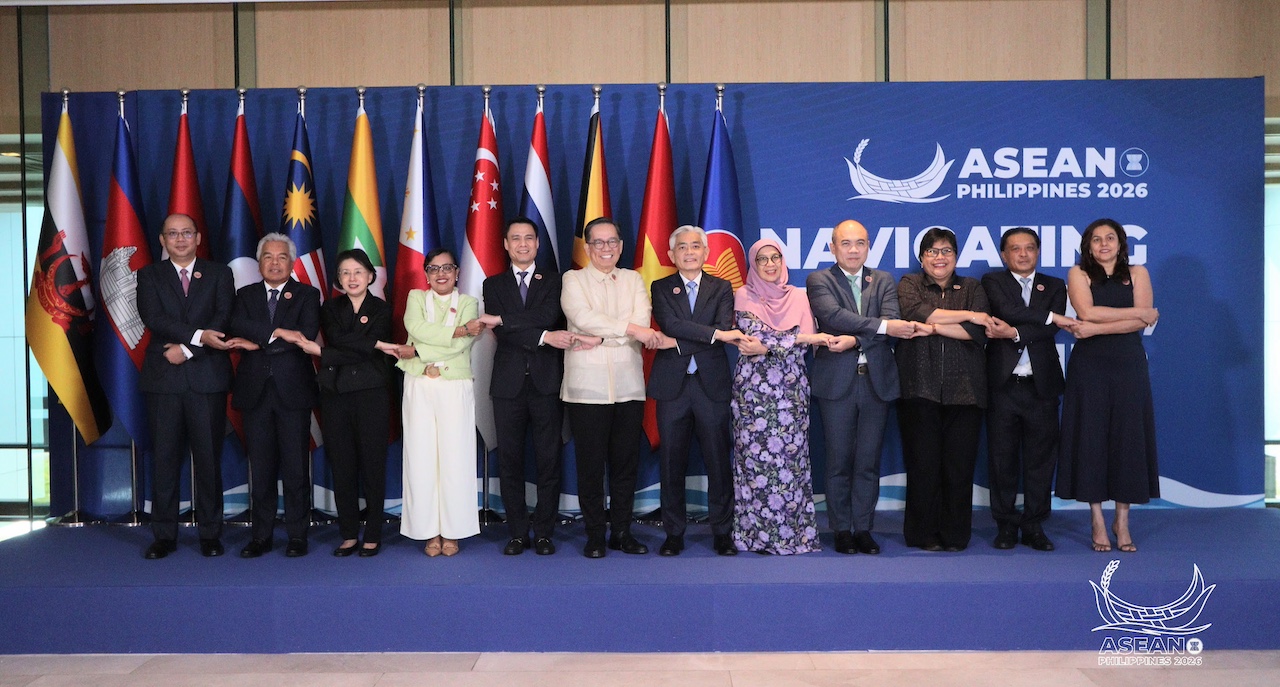
The choice of Cebu as host city carries both symbolic and practical weight. Long regarded as one of the Philippines’ most dynamic tourism hubs, Cebu is also emerging as a key venue for international diplomacy. In addition to ATF 2026, the city is hosting the ASEAN Foreign Ministers’ Retreat, reinforcing its role as a focal point for regional dialogue at the start of the year.
The opening ceremony at the Mactan Shrine underscored this symbolism. The site, associated with one of the defining moments in Philippine history, provided a fitting backdrop for discussions about shared identity, sovereignty, and cooperation in Southeast Asia. Delegates included tourism ministers from across the Association of Southeast Asian Nations, with Timor-Leste participating as the bloc’s newest member. High-level representatives from China, India, and South Korea also attended, highlighting ASEAN’s expanding relevance on the global tourism stage.
Running concurrently with the forum is the ASEAN Travel Exchange (TRAVEX), which opened on 28 January at the newly launched Mactan Expo in Lapu-Lapu City. The trade show brings together sellers and buyers from across the region and beyond, providing a commercial counterpoint to the policy discussions taking place at ATF.
Pleased to host the Welcome Dinner for fellow #ASEAN Foreign Ministers in #Cebu, Philippines, featuring traditional Filipino dishes and music by renowned pianist Dr. Raul Sunico. Cebu’s rich history and culture make the “Queen City of the South” a fitting setting for fellowship… pic.twitter.com/FHVyJXMg6a
— Ma. Theresa P. Lazaro (@SecLazaro) January 28, 2026
Navigating the future together
ATF 2026 is anchored by the theme Navigating Our Future, Together, which reflects the Philippines’ broader vision for its ASEAN chairmanship. That vision is structured around five strategic priorities under the banner SAIL ASEAN: strengthening trade and investment linkages, accelerating digital transformation, integrating micro, small, and medium-sized enterprises, leveraging the creative economy and innovation, and advancing sustainable and inclusive growth.
Among these, sustainable and inclusive growth has been positioned as the cornerstone of the Philippines’ approach. President Marcos emphasised that tourism policies must translate into real benefits for communities, particularly those directly involved in welcoming visitors.
In the Philippine context, he noted, tourism supports farmers, fisherfolk, creatives, transport providers, hospitality workers, and entrepreneurs. Ensuring that these groups benefit fairly from tourism development is not only a national priority but one that resonates across ASEAN.
Secretary of Foreign Affairs @SecLazaro chaired the ASEAN Foreign Ministers’ Retreat held on 29 January 2026 in Cebu City, Philippines, marking the first major meeting under the Philippines’ Chairship of ASEAN.
— DFA Philippines 🇵🇭 (@DFAPHL) January 29, 2026
Read the full story here: https://t.co/cdOjnPebOx#DFAForgingAhead pic.twitter.com/dQ8QuQD62y
A shared roadmap for 2026–2030
One of the most substantive outcomes associated with ATF 2026 is the launch of the ASEAN Tourism Sectoral Plan 2026–2030. Officially adopted during the ASEAN Tourism Conference, the plan sets out a unified roadmap for the region’s tourism development over the next five years.
Led by the Philippines as the coordinating country, the plan focuses on five priority areas: resilient tourism systems, empowerment of the tourism workforce, accessible and seamless travel, digital tourism transformation, and diversification of products, markets, and sustainable tourism offerings.
Progress under the plan will be tracked through a series of key performance indicators, including international arrivals, tourism receipts, per-visitor spending, and the share of intra-ASEAN travel. These benchmarks are aligned with ASEAN Vision 2045, reinforcing the long-term nature of the strategy.
According to ASEAN projections, Southeast Asia could welcome 201 million international arrivals by 2030, representing a 51 percent increase from 2025 levels. Targets also include at least 12 percent annual growth in intra-ASEAN travel and raising its share to between 40 and 45 percent of total arrivals.
Hosting amid recalibration
For the Philippines, hosting ATF 2026 aligns with a phase of policy recalibration, with the Department of Tourism setting a realistic target of 6.7 million foreign visitors for 2026. International arrivals reached 5.9 million in 2024 and edged down to 5.6 million in 2025, below earlier expectations. South Korea remains the largest source market despite a notable decline, while the United States recorded moderate growth year on year.
Yet these headline figures sit alongside more resilient fundamentals. Domestic tourism continues to play a stabilising role, with the sector contributing 8.9 percent of national GDP in 2024. Industry analysts also point to improving conditions, including enhanced airport management, eased entry procedures, and new international routes, particularly linking the Philippines to Australia and the Middle East.
Significantly, the government has dramatically increased its international promotions budget for 2026 to 1.3 billion pesos, approximately 22 million US dollars. This twelvefold increase over the previous year underlines a renewed commitment to rebuilding international demand.
Preparations for ATF 2026 alone are expected to bring more than a thousand delegates to Cebu, providing a short-term economic boost while reinforcing the country’s credentials as a host of high-profile international events.
As ASEAN looks ahead to the next phase of regional cooperation, the forum in Cebu marks an important moment in aligning tourism policy with broader economic and social goals. Singapore will assume the ASEAN chairmanship and host the ASEAN Tourism Forum in 2027.