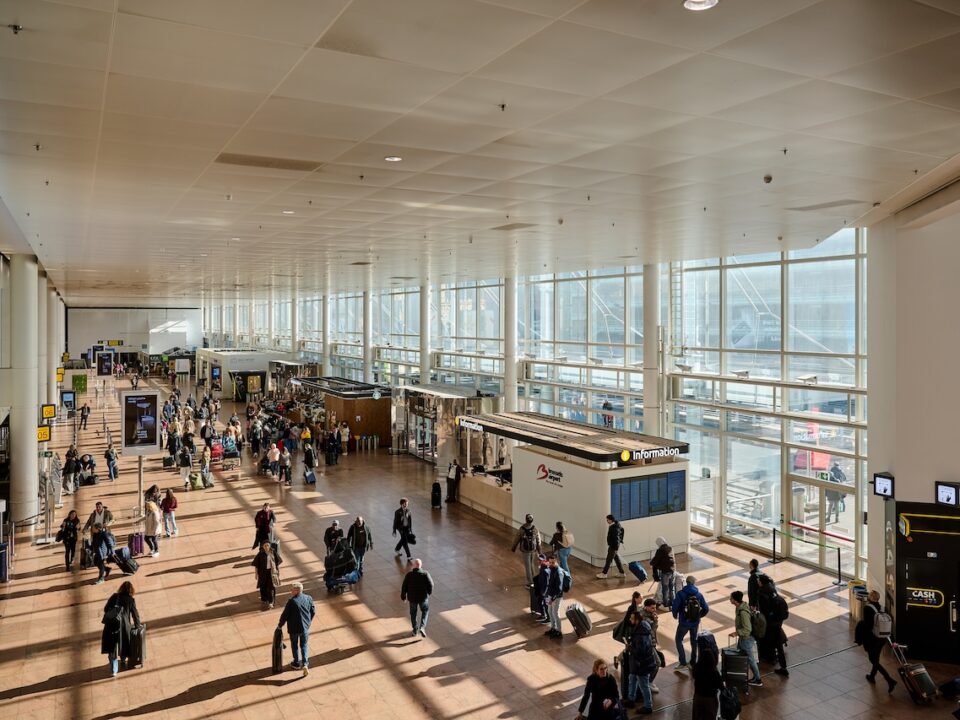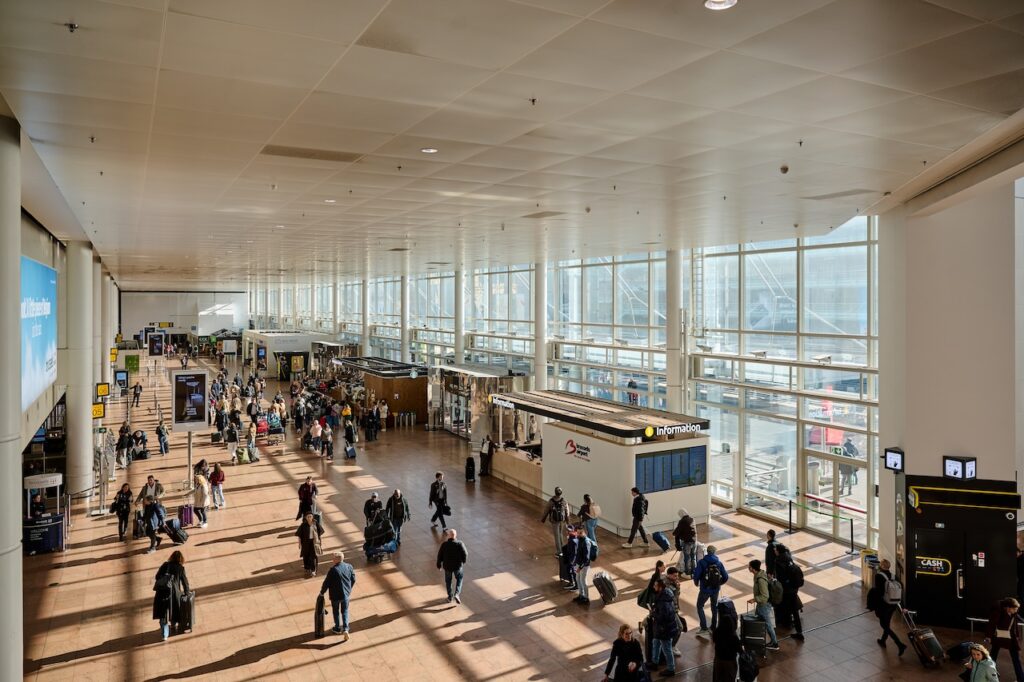


Brussels Airport is launching its summer flight schedule on 29 March 2026 with direct connections to 180 destinations worldwide. The offer is served by 70 airlines, including five newcomers, giving passengers more choice than ever. This summer’s expansion underscores Brussels Airport’s role as a major international hub in the heart of Europe.
Among the new international routes is São Paulo in Brazil. From 2 June 2026, LATAM Airlines will operate three direct flights every week. This is notable because it’s the first regular passenger link to South America from Brussels in 26 years, giving Belgium a quicker route to a major South American city. São Paulo is a huge metropolis known for its culture, gastronomy and business centres, and direct flights mean easier access for tourists and business travellers alike.
In Africa, Kilimanjaro in Tanzania is added to the network. Kilimanjaro Airport is the gateway to Mount Kilimanjaro, Africa’s highest peak, and a famous destination for hikers and safari lovers. Brussels Airlines is offering twice‑weekly flights that connect via Nairobi so passengers can combine mountain adventures with wildlife parks nearby.
Across the Atlantic, Halifax in Canada becomes directly accessible from Brussels with three weekly flights by Air Canada this summer. This new service will be operated with a Boeing 737 MAX 8 aircraft, a narrow‑body jet that is smaller than the wide‑body planes normally used on long transatlantic journeys. Narrow‑body means the plane has one aisle and fewer seats than larger long‑haul jets; it still has both Premium and Economy cabins but offers a more compact travel experience.
Halifax is a smaller city and destination compared with other North American hubs served from Brussels Airport, such as New York, Toronto or Atlanta. It has a small harbour, historic waterfront and relaxed East Coast atmosphere, but its overall demand for air travel is lower than that of major metropolitan areas. That’s one reason Air Canada chose the 737 MAX 8 for this route: it’s efficient for moderate passenger numbers and makes direct transatlantic service possible without a larger aircraft.
In recent years, airlines have increasingly used narrow‑body jets on transatlantic routes where demand does not justify a big wide‑body aircraft. The Boeing 737 MAX 8 and aircraft in the Airbus A321neo family are good examples. They are more fuel‑efficient and cheaper to operate on these “thin” long‑haul routes, meaning cities with smaller markets can still get direct flights across the ocean. This trend could be part of the future of transatlantic travel, allowing more diverse city pairs to be connected directly without stopovers.
Brussels Airport is also boosting its links to Asia. From 26 March, Air China will operate flights to Chengdu, one of China’s largest cities. Chengdu is famous for its pandas and rich history, making it attractive for culture‑curious travellers. These flights build on an expanding list of Asian destinations that also include Tokyo, Beijing and Singapore.
Within Europe, LOT Polish Airlines will operate four weekly flights to Gdańsk, and Volotea offers seasonal flights to Asturias in northern Spain. Gdańsk is a coastal city with colourful old town squares and a rich maritime history. Asturias has green landscapes, beaches, and traditional Spanish cuisine, making it a scenic summer destination. These routes are ideal for city breaks or short cultural and nature trips within Europe.
Beyond new destinations, the network growth benefits travellers who fly to familiar spots as well. Long‑standing airlines like Transavia and Vueling are increasing flights to popular Mediterranean destinations such as Palma de Mallorca, Barcelona, Alicante and Malaga. TUI fly is also expanding its summer schedule, adding flights to destinations like Kayseri in Turkey. Meanwhile, Delta Air Lines is now offering daily flights to Atlanta, up from three per week, which makes it easier for travellers to connect to the southern and western United States.
This summer, Brussels Airport is expanding not only the number of destinations but also the range of routes. Its long‑haul network now includes direct flights to 41 cities across North America, South America, Asia, Africa and the Gulf region. The variety of destinations allows travellers to choose from different types of trips, from city breaks to beach holidays or longer intercontinental journeys. This expansion increases options for passengers and strengthens Brussels Airport’s role as an international hub.