Brussels Airport has endured a difficult weekend as a cyberattack on its check-in and boarding systems forced the cancellation and diversion of dozens of flights. Since Friday evening 19 September the airport has relied on manual procedures to process passengers after its service provider Collins Aerospace was targeted by hackers.
A weekend of cancellations and long queues
The figures illustrate the magnitude of the problem. On Saturday 20 September 25 departures out of 234 were cancelled. On Sunday 21 September 50 out of 257 flights were cancelled and six more were diverted. In total 44 flights were cancelled or diverted over the weekend. Airlines were asked by airport management to cancel about half of all departures on both Saturday and Sunday in order to avoid longer queues and last-minute disruptions.
Despite these challenges the airport managed to maintain around 85 percent of scheduled flights. This was possible thanks to a combination of manual check-in operations, online check-in, the use of self bag-drop machines and the mobilisation of additional staff from across the airport community.
Brussels Airport explained in a press release that “as a result of a cyberattack on Collins Aerospace, the American external service provider of the check-in and boarding systems, check-in operations at several European airports, including Brussels Airport, have been disrupted since Friday evening. Eighty-five percent of flights departing from Brussels Airport will nevertheless be able to take off as scheduled this weekend. Cancellations and delays are still to be expected on Monday as long as manual check-in is necessary.”
A cyberattack disrupts check-in systems at Brussels International Airport, forcing staff to switch to manual operations.#Brussels #Airport #Cyberattack pic.twitter.com/wTmNmU61QN
— Al Arabiya English (@AlArabiya_Eng) September 20, 2025
Experience for passengers
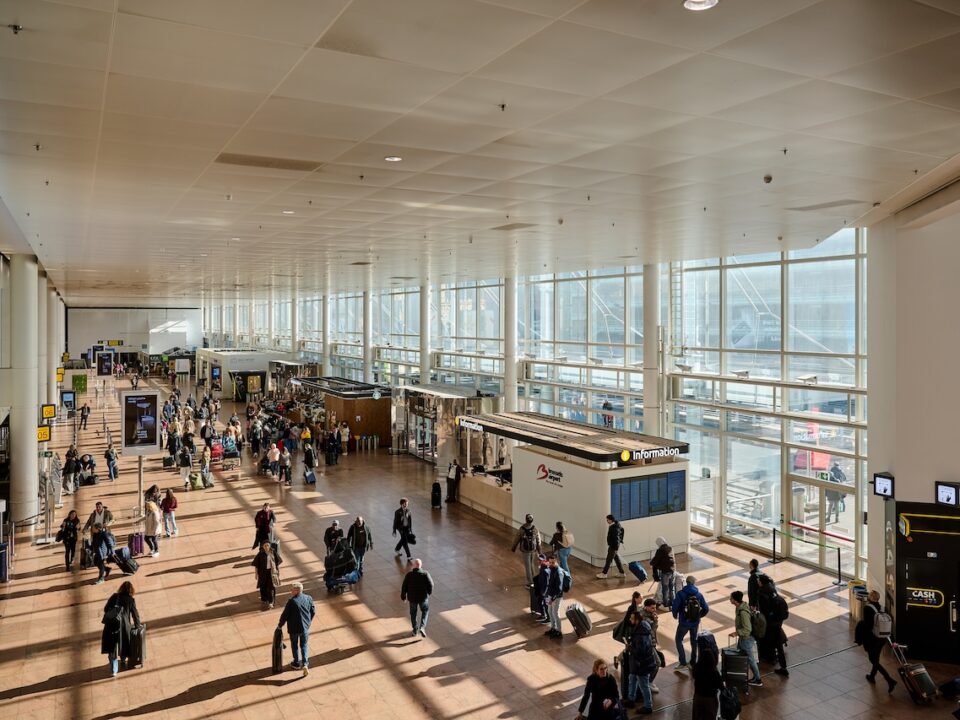
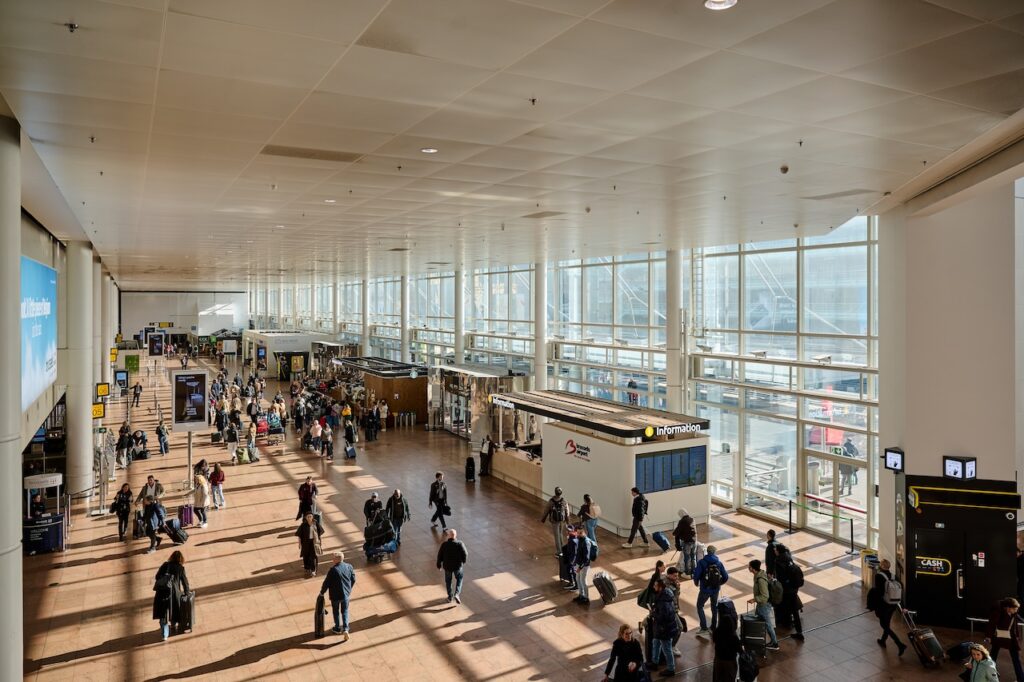
The atmosphere inside the terminal has been tense. Long queues formed from early morning as passengers arrived for their flights. Some travellers were able to bypass the worst delays through online check-in, while others faced hours of waiting at manual counters. The lack of certainty added to the frustration, as passengers sometimes discovered only at the last moment that their flights had been cancelled.
The airport has strongly advised passengers not to come to the terminal unless their flight has been confirmed with the airline. “We advise passengers with a flight to check the status of their flight before coming to the airport and to only come to the airport if their flight has been confirmed,” Brussels Airport said. For those whose journeys were going ahead, the airport requested that passengers arrive two hours before Schengen flights and three hours before flights outside the Schengen zone.
Continued disruption into Monday
The airport has already confirmed that the problems will extend into Monday 22 September. Airlines have again been asked to cancel half of all departures, since Collins Aerospace has not yet provided a secure version of its check-in system. Brussels Airport said that “cancellations and delays are also expected on Monday as long as manual check-in is necessary.”
Thanks to the redistribution of flights through planned delays, the deployment of additional staff by various airport partners, and the continued availability of self bag-drop and online check-in, the airport and its partners have managed to keep most of the schedule running. Still, the impact has been considerable for passengers.
The role of Collins Aerospace
Collins Aerospace, the American company responsible for the compromised system, confirmed that it had suffered a cyber-related disruption. The attack affected the MUSE platform used for passenger check-in, boarding and baggage drop. The company stressed that manual procedures could be used to keep flights operating, but the consequences have nevertheless been significant.
Lessons for Belgian aviation
The incident has raised questions about the resilience of Belgium’s aviation infrastructure. With Brussels Airport so dependent on a single supplier for its check-in and boarding operations, the cyberattack demonstrated the vulnerability of the country’s busiest airport to digital threats.
Brussels Airport expressed regret for the inconvenience caused. “We regret the impact of this cyber issue at our external service provider on our passengers,” the airport said. It also praised the patience of passengers who endured long waits and thanked the additional staff who worked through the weekend to keep operations running.
Until Collins Aerospace delivers a secure version of its system, Brussels Airport will continue to operate under manual conditions. The airport has promised to keep passengers informed through its website and social media channels.