

British Airways has announced that it is extending its flight reductions to the Middle East due to the ongoing conflict involving Iran, which continues to disrupt air travel across the region. Rising tensions and security risks, including missile and drone activity, have made parts of the airspace unsafe for commercial flights. Several routes will remain suspended for the coming months as a result. The airline said these changes are designed to keep passengers safe while the situation develops and that it is assessing schedules as more information becomes available.
An update for our customers – 10 March.
— British Airways (@British_Airways) March 10, 2026
Be alert to potential scams and only rely on official British Airways channels for updates – never click suspicious links or share personal or payment details. pic.twitter.com/N0ec4GqFnk
Flights to destinations including Amman, Bahrain, Dubai and Tel Aviv have been cancelled until at least 31 May. Services to Doha in Qatar are also suspended until 30 April, according to the airline’s latest statements. British Airways has emphasised that these changes are intended to provide clarity while the region remains unpredictable, and the carrier said it remains in close contact with affected customers to offer options such as rebooking or refunds.
The wider conflict has forced the closure of key airspace routes across the Middle East, meaning many flights between Europe and Asia can no longer follow their usual paths. Airspace closures have been imposed by several countries in the region, leading to cancellations, diversions and delays for flights involving major hubs such as Dubai, Abu Dhabi and Doha. Tens of thousands of cancellations and reroutes have been reported globally as a result of these closures and the surrounding geopolitical situation.
When airlines must avoid restricted airspace, aircraft often take longer routes, which increases fuel use and reduces the number of available seats on each flight. This combination of fewer flights and higher operational costs has already pushed up ticket prices on many international routes. With fewer available seats but strong demand from travellers, airlines may continue to raise fares or add fuel surcharges to help cover these extra costs.
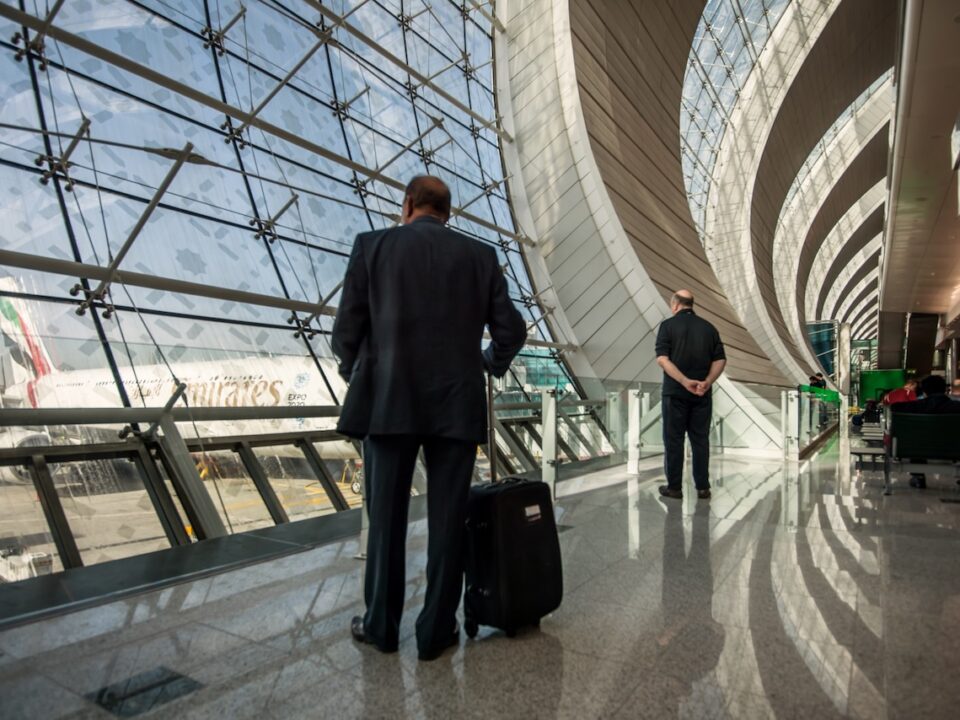
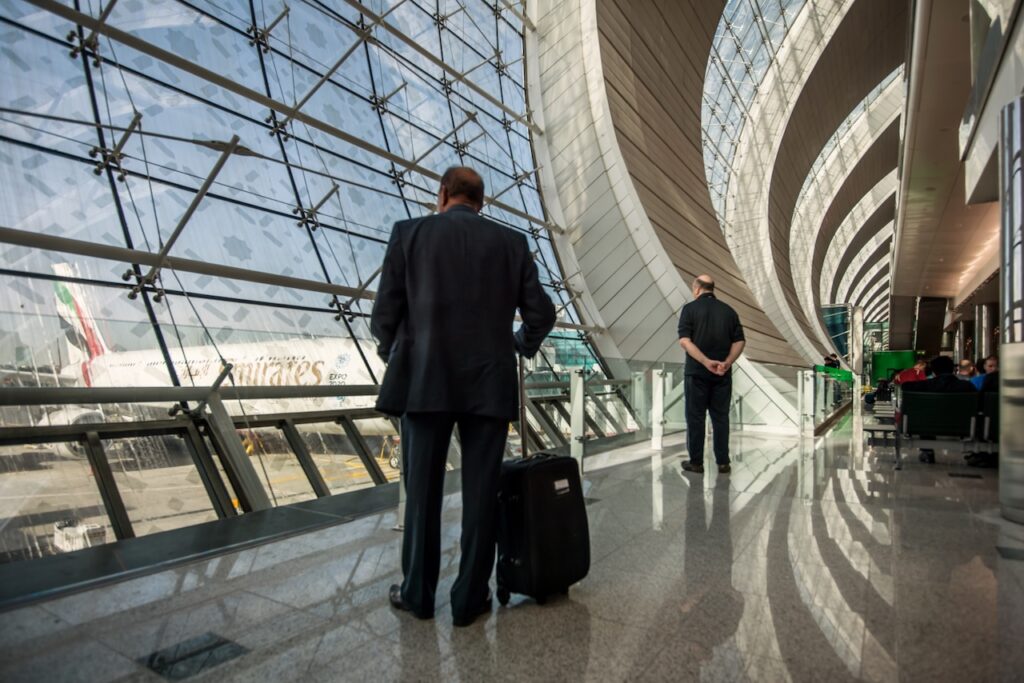
Major travel hubs such as Dubai, Doha and Abu Dhabi have been hit hardest by the disruptions. These cities normally act as important connection points for long‑distance travel, linking thousands of flights between continents. When flights are cancelled or delayed at these hubs, it creates problems across the wider aviation network and leaves many passengers stranded or facing unexpected changes.
To support affected passengers, British Airways said it has helped thousands of travellers return home and operated eight special relief flights from Muscat in Oman. In addition, extra flights have been scheduled to destinations such as Singapore and Bangkok to assist those who have been stranded because of cancelled services. Other airlines in and around the region have also offered rebooking policies and refunds for affected passengers trying to adjust travel plans as schedules continue to shift.
An update for our customers – 05 March.
— British Airways (@British_Airways) March 5, 2026
Update 14:00 GMT:
British Airways’ flight from Muscat, Oman on 8 March is now fully booked. We are constantly reviewing the situation and will continue to do everything we can to support our customers and colleagues in the region, and if… pic.twitter.com/fK0R0hmDne
Experts advise travellers planning trips this spring and summer to book flights earlier rather than later, while choosing tickets that offer flexibility. Booking early can help secure lower prices before any further increases, and flexible fares allow travellers to make changes without heavy penalties if prices drop later. With oil prices remaining volatile and the conflict ongoing, both airlines and passengers must continue to adapt to rapidly changing conditions.