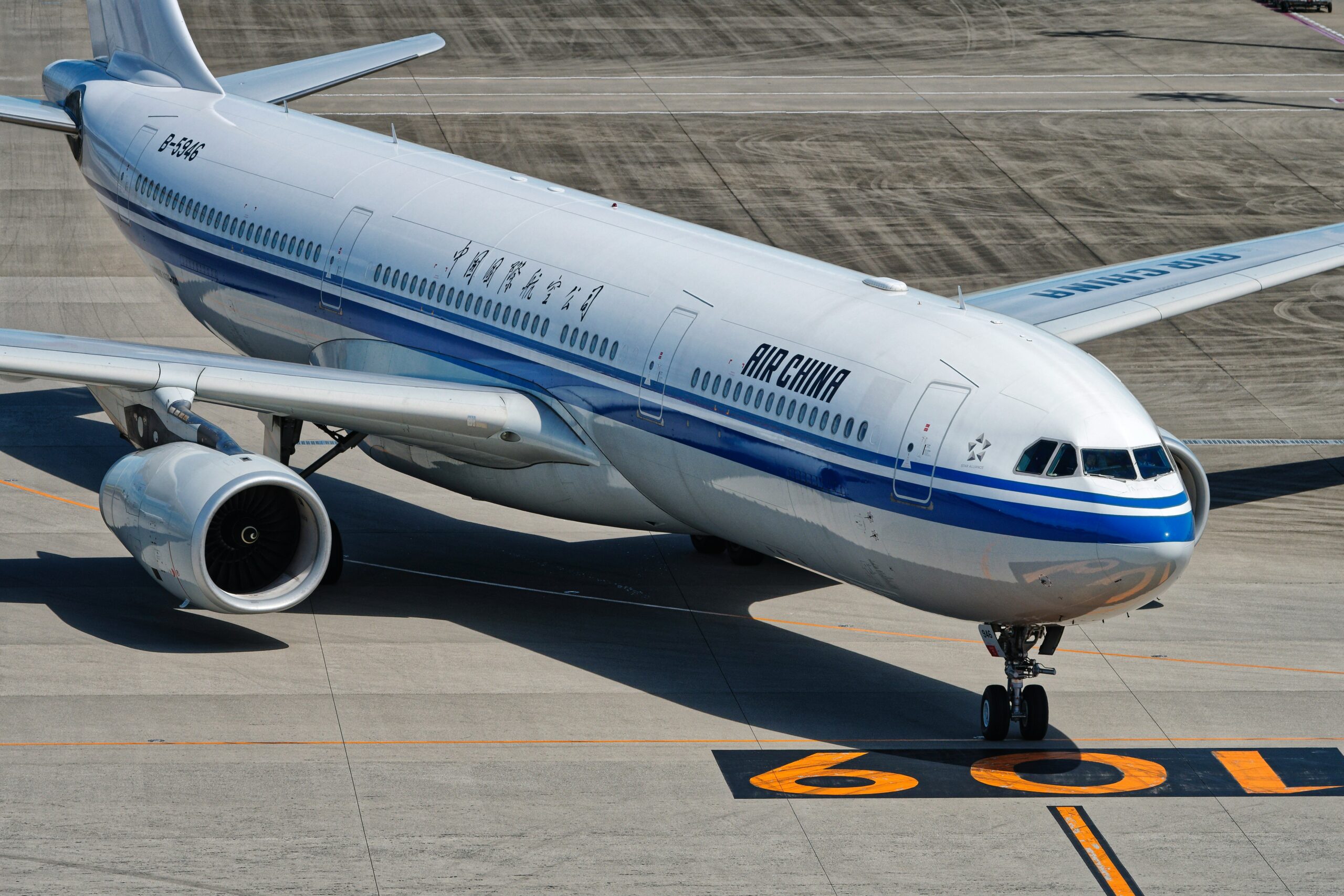


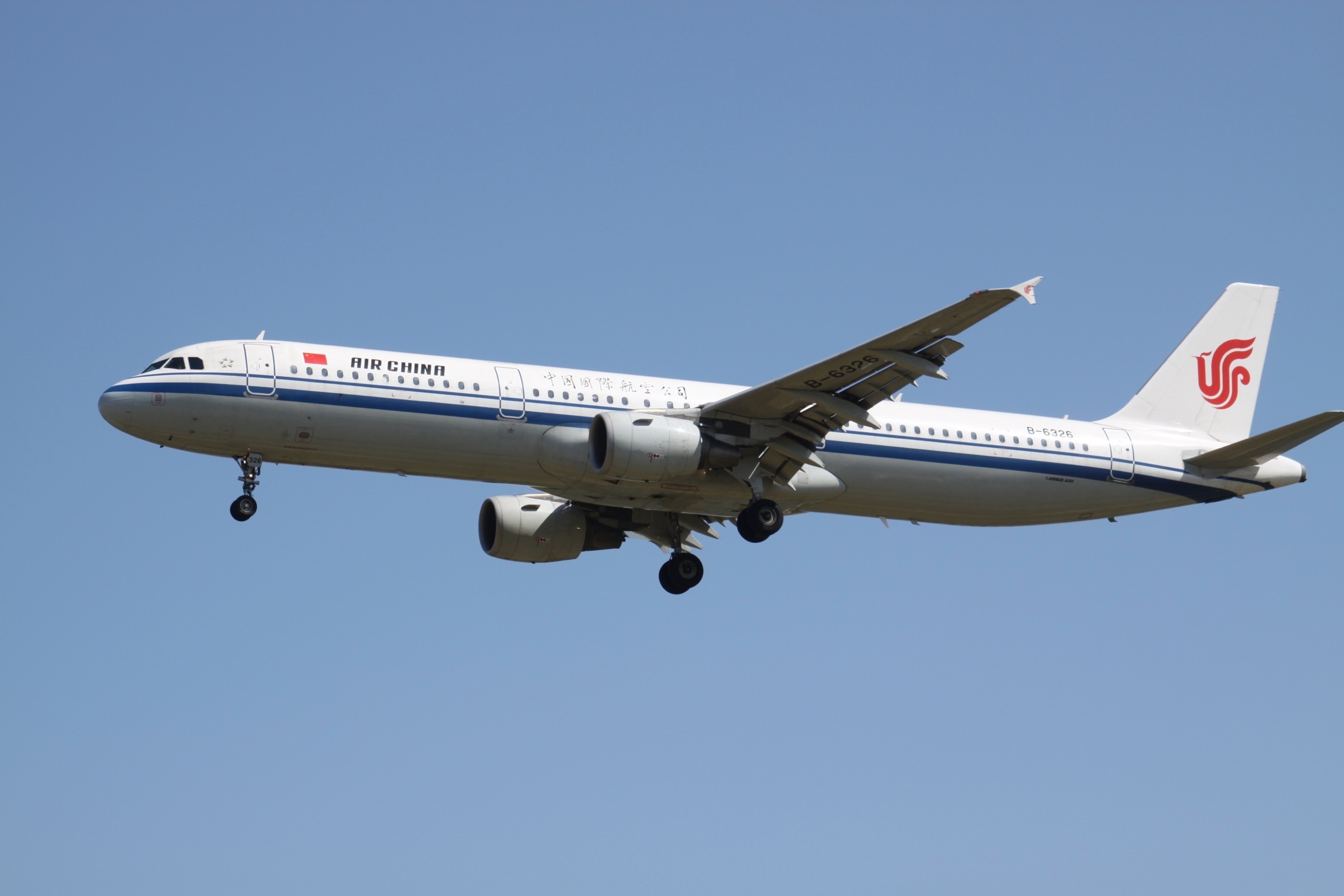
Air China passenger flights between China and North Korea are set to resume ahead of the summer 2026 season, after a six-year hiatus. The news was broken in claims made by a tour operator who has communicated with the Chinese national carrier.
The schedule between the two capital cities will launch on 30 March 2026. On the Air China website, Travel Tomorrow found flights departing Beijing on Mondays at 8:05 am, with arrival in Pyongyang at 11:00 am (local times). Coming the other way, flights depart Pyongyang at midday and land in Beijing at 12:55 pm. Standard economy single fares start from CN¥2040 (around €258), while round-trip fares start at CN¥2690 (around €340).
Travel to North Korea has always been tightly controlled, with no independent tours, and has been even more so since the introduction of restrictions related to the COVID-19 pandemic. However, China used to be the principal source market of visitors to its East Asian neighbour, accounting for up to 200,000 trips per year, or 90% of tourists, many of whom went via the major trading port of Dandong.
Since COVID-19, North Korea has pivoted towards Russia, with campaigns promoting resorts to Russian visitors. That now appears to be changing with a detente that has seen North Korean-Chinese cross-border passenger rail services start up again recently for the first time in six years.
The Beijing–Pyongyang train has scheduled operations four times per week, in addition to a regular Dandong—Pyongyang line, running both ways every day. China Railway has hailed the relaunched rail service as “a moving link that strengthens the friendship between China and North Korea.”
🇨🇳 🇰🇵 China and North Korea reopen passenger train service
— AFP News Agency (@AFP) March 15, 2026
Railway enthusiasts have flocked to join the first train from China's capital Beijing to North Korea's capital Pyongyang, six years after the international rail service was suspended during the Covid-19 pandemic. pic.twitter.com/TUUfWvB3YU
At a 10 March briefing, China’s Foreign Ministry highlighted the moment’s “important significance” and emphasised the official backing it enjoys. “China supports the relevant authorities of both sides in strengthening communication and creating more convenient conditions for people-to-people exchanges,” the ministry said.
Commentators have connected the renewed travel routes and opening of borders to a North Korean drive for foreign currency, as well as to US President Donald Trump’s interest in building relations with Pyongyang—a diplomatic shift that China does not want to be excluded from.
“Resuming direct air and rail connections with Pyongyang suggests that China is seeking to restore its influence over North Korea at a time when diplomatic dynamics surrounding the Korean Peninsula are shifting,” said Cheong Seong-chang, vice president of South Korea’s Sejong Institute.