


Delays, gate changes, and long queues are part of flying, and most passengers accept that. What they ask of airports, according to a new global survey, is to be told early and told clearly that their travel plans could be affected.
The Global Traveller Survey, published by Airports Council International (ACI) World on 17 November, gathered the views of 4,125 travellers in 30 countries. Respondents were aged 18 or over and had flown at least once in the past 12 months. They completed the questionnaire online in August 2026.
Overall, the mood is improving. More than three-quarters of respondents (77%) said their airport journey left them with positive emotions, up from 73% a year earlier and 69% the year before that. More than two in three (67%) described airports as comfortable and relaxing, and an impressive 64% said their airport experience had been “seamless.”
Alerts matter
When plans change, 48% of respondents named early alerts about potential disruption as the personalised support they value most. It’s not rocket science: passengers want information that arrives before the problem and allows them enough time to make the decisions that help them stay in control of the trip.
Simplicity over gadgetry
Travellers judge a smooth journey by how it feels. Short waits, easy navigation, and predictable journey times are what count, and the technology behind the scenes matters little.
Time to unwind
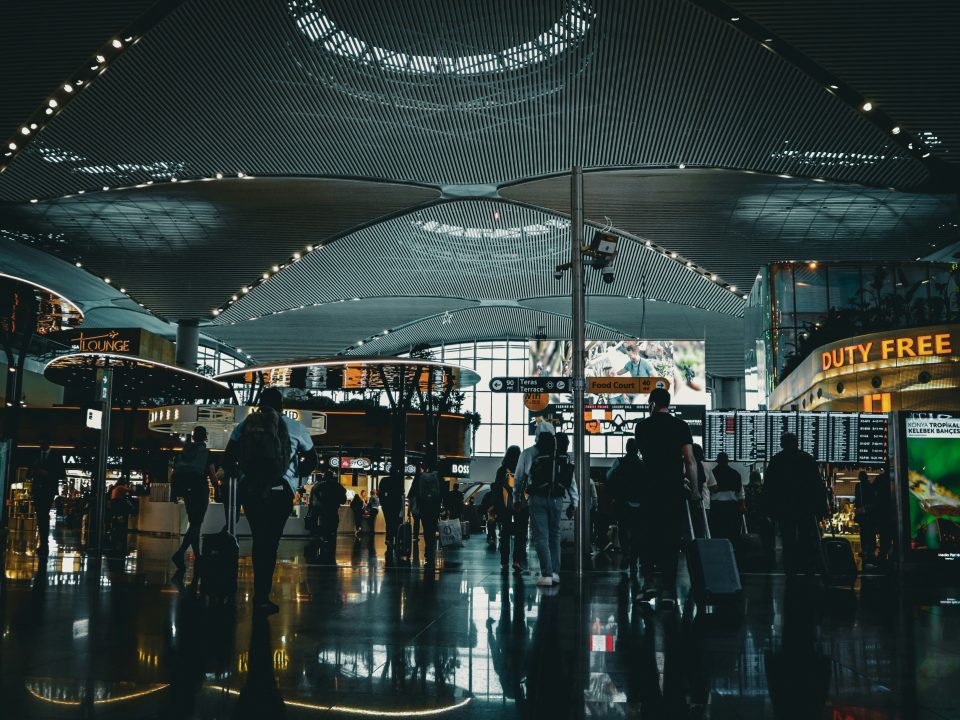
For the stretch between security and boarding, a stress-free, relaxed experience tops the wish list. Dining, art, activities, and retail all play a part, and, while it’s perhaps a self-selecting group, a huge nine out of ten travellers who do shop in airports say it improves their airport experience.
ACI World Director General Justin Erbacci, quoted in the organisation’s press release and by Travel Daily Media, said: “Travellers know some disruption will always be part of travel. When it happens, keeping them informed and in control makes all the difference.” He added that while airports, airlines, and governments each hold a piece of the puzzle, passengers tend to experience their trip as one whole. He therefore called on all stakeholders to work together.
A challenging winter ahead
That call comes as the industry heads into a demanding season. Travel Weekly reports that ACI Europe recorded 3.2% year-on-year passenger growth in September as travellers spread their travel into the shoulder seasons. ACI Europe director general, Olivier Jankovec, warns, however, that seat capacity at European airports is set to rise by only 1.6% this winter, compared with 6.3% last year, as airlines make schedule cuts in the face of persistently high jet fuel prices. Echoing remarks by Ryanair boss Michael O’Leary earlier this autumn, Jankovec said the coming months would be about “navigating an increasingly constrained market.”
Tighter schedules mean less wiggle room within the system, and time pressures and higher fares can leave travellers with less personal capacity or willingness to absorb problems. All of which suggests that the way airports and airlines communicate during disruption may count even more than usual. The survey communicates a clear brief from travel consumers: share what you know as soon as you know it, make the next step obvious, and keep the terminal a pleasant place to wait.