


As the European Union (EU) prepares to unveil its first sustainable tourism strategy, a delegation from the European Parliament’s Committee on Transport and Tourism (TRAN) is visiting Montenegro and Albania this week to assess progress in transport, regional connectivity, and sustainable tourism development.
The delegation of five MEPs, led by Sophia Kircher of the European People’s Party (EPP) from Austria, is visiting the two countries from 26 to 28 October to examine progress made in mobility policy and transport infrastructure, as they advance towards EU membership.
“Our mission comes at a pivotal moment”, Kircher said, ahead of the visit.
“Transport is key to bringing the Western Balkans closer to the European Union; better connections and more integrated transport systems are essential to strengthening our partnerships with the region.”
During the visit, MEPs will meet with local and regional partners to discuss ways of improving connections between the Western Balkans and the EU. They will also explore ways to simplify border-crossing procedures, making the movement of people and goods across borders easier and more efficient. Another key topic will be the integration of the countries’ road, rail, and other transport networks into the wider European system.
Transport reforms bring #Montenegro closer to the EU 🇪🇺 Our Director Tālis Linkaits met Minister of Transport Radoš Zečević for introductory talks, welcoming Montenegro’s place among regional leaders in EU transport acquis alignment. We are #TogetherConnected 💙 https://t.co/uW7eVmTeFF
— Transport Community (@EUWB6_TCT) October 23, 2026
“During our visit, we will exchange views with regional partners on advancing transport infrastructure, enhancing connectivity, and addressing the challenges posed by foreign investment from third countries in the region’s transport networks”, said Kircher.
Meetings will also focus on the development of sustainable tourism, the importance of tourism to the region’s economy, and the impact of seasonal visitor numbers on transport infrastructure.
“We also look forward to discussing ways to promote sustainable tourism and strengthen regional cooperation, particularly as the EU prepares its new sustainable tourism strategy”, Kircher added.
This focus on sustainability, connectivity and local communities reflects the priorities of the EU’s first sustainable tourism strategy, which is expected to be unveiled in November 2026.
The strategy aims to balance tourism flows more effectively, reduce pressure on overcrowded destinations, and spread the economic benefits of tourism to less visited regions. As highlighted by the TRAN committee, around 80% of travellers visit just 10% of destinations worldwide, creating serious imbalances and placing pressure on local infrastructure, housing and communities.
In recent years, Albania has emerged as one of Europe’s more surprising tourism success stories, much as Croatia did in the previous decade. Albania’s international visibility received a considerable boost when it became the official host country of ITB Berlin 2025, providing a major international platform to showcase its growing tourism appeal.
Honoured to present my Letters of Credence to @eucopresident & @vonderleyen at an important moment in Albania’s progress towards EU membership. I look forward to working closely with Member States & EU institutions to advance 🇦🇱’s accession process. Albania’s future is in the EU. https://t.co/1ZN9AiDYgz
— Albana Dautllari🇦🇱🇪🇺 (@ADautllari) October 22, 2026
This rapid expansion has, however, also exposed shortcomings in its transport infrastructure, water supply, and waste management systems, while unregulated coastal development raises environmental concerns.
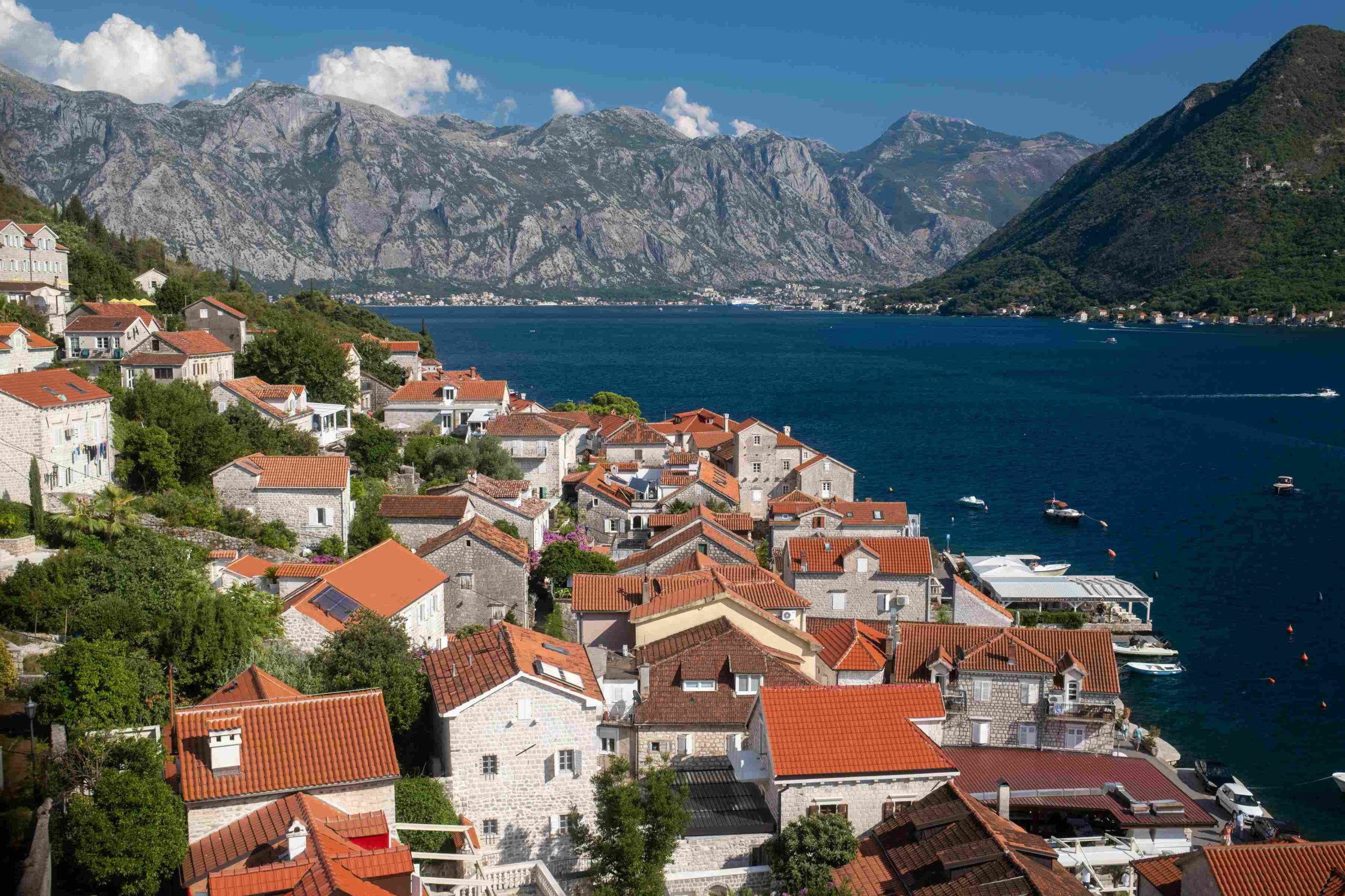
Meanwhile, Montenegro has been an established destination for longer, but its popularity has come at a price. The small Adriatic country, particularly its historic town of Kotor, is struggling with overtourism. Cruise arrivals have contributed to congestion and rising housing costs, putting pressure on local communities as visitor numbers have grown faster than the country has been able to expand its infrastructure.
Both countries illustrate the challenges of balancing tourism growth with infrastructure development and sustainability, issues central to the EU delegation’s visit, which Kircher believes can be addressed through closer cooperation.
“I am confident that this visit will provide valuable insights into how we can build stronger transport links, deepen our partnerships, and unlock the full potential of Montenegro and Albania, which are currently leading the way as the clear frontrunners in the enlargement process”, Kircher concluded.