

New York City Council has voted to ban horse-drawn carriages from city streets and Central Park from June 2028. The measure passed on 22 October 2026, with 40 council members voting in favour, seven against and two abstaining. Mayor Zohran Mamdani, who has expressed support for ending the industry, must still sign the legislation into law. The vote follows nearly two decades of political debate over animal welfare, public safety and the livelihoods of carriage drivers.
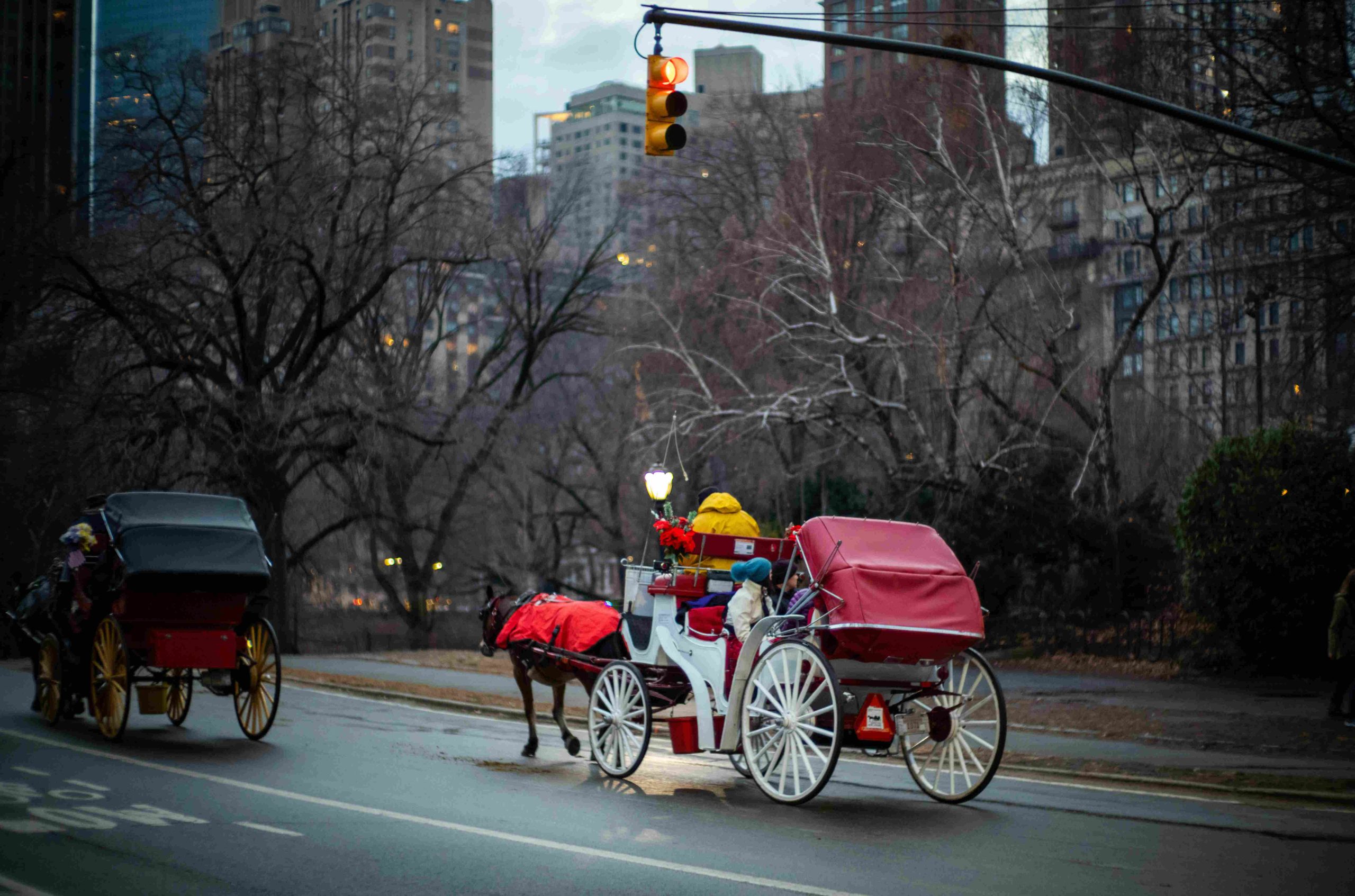
Horse-drawn carriages have been associated with Central Park for more than 160 years. For visitors, a ride offers a familiar image of New York, reinforced by appearances in films and television programmes such as Barefoot in the Park and Sex and the City. Supporters see the carriages as part of the city’s cultural heritage and a source of employment. Critics argue that this tradition comes at a cost to horses working near traffic and in a busy urban environment.
Support for a ban grew after the death of Romanch Mahajan, an 18-year-old tourist visiting from India with his family. On 17 June 2026, the horse pulling his carriage bolted after the driver stepped away to take a family photograph. Mahajan was thrown from the carriage and died. The proposed legislation, named Romanch’s Law, was approved at a council hearing attended by his family. Council Speaker Julie Menin said the measure would ensure he was “the last soul that we lose to this industry”.
BREAKING: The City Council just passed legislation to phase out horse-drawn carriages in Central Park, with a plan to protect workers. 🐴 https://t.co/6NWORWQD4V
— New York City Council (@NYCCouncil) October 22, 2026
The fatal incident followed other accidents involving carriage horses and drivers. In January, a horse named Destiny ran into traffic near Central Park, causing a collision involving several cars. In May, a driver was taken to hospital after a frightened horse struck another carriage and caused it to overturn. Another carriage horse, Deniz, died this year after eating a toxic plant in the park. The Central Park Conservancy, the non-profit organisation that manages the park, reported seven horse-related incidents over the previous 13 months and supported a ban as “a matter of public health and safety”.
Animal welfare concerns have also played a central role in the debate. According to the Manhattan Borough President’s office, 40 horses working in Central Park have died since 1982, with overheating and collisions among the causes cited. Horses can currently work for up to nine hours a day, waiting with their drivers at designated park entrances between rides. Animal rights organisations, including People for the Ethical Treatment of Animals, have campaigned against the industry. Drivers dispute claims that their animals are mistreated and say their work involves close care and strong bonds with the horses.
Alexus Lawson, who has driven carriages for six years and owns six horses, questioned what the ban would mean for their future. “What am I supposed to do with my horse?” she asked, referring to her horse Starlight. Lawson described Mahajan’s death as “extremely tragic”, but challenged the decision to allow the industry to continue until 2028 if officials considered it unsafe. Fellow driver Medet Fidan also rejected allegations of abuse. “I spend more time with my horses than my wife and my kids,” he said.
The period before the proposed ban takes effect is intended to give workers time to find other employment. The legislation requires the city to develop a transition plan by April, with possible support including job placement, training and career counselling. It also calls for consideration of financial compensation for carriage operators. However, the Transport Workers Union, which represents drivers and business owners, says the legislation does not guarantee compensation. Some drivers have also made clear that they want to continue their profession rather than move into different jobs.
The union has threatened legal action if the bill becomes law. In a letter sent before the vote, its lawyer said it would seek a temporary restraining order “the minute the ink dries”, asking a court to temporarily block the measure. The legislation would also prohibit owners from selling their horses for slaughter or for similar carriage work. Menin said owners would be allowed to keep their animals. The union has nevertheless raised concerns about a lack of funding for the people and organisations that might eventually take them in.