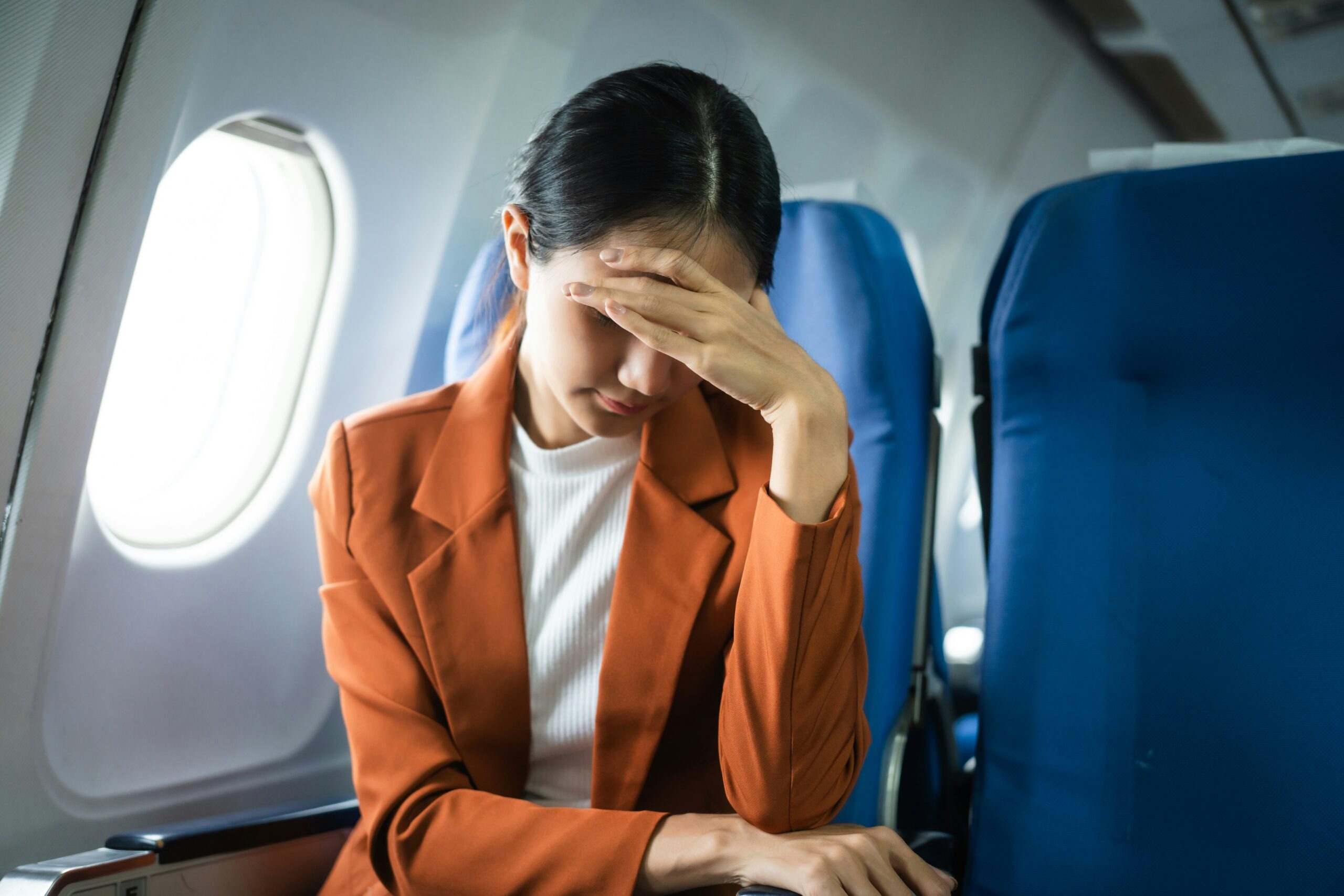



A new study by AirAdvisor has named the air route between Barcelona El Prat and Amsterdam Schiphol as the most stressful one in Europe. The Nervous Flyer Score takes into account factors such as delays, cancellations, and weather.
Although flying is an integral part of travelling for many, it is not necessarily something that comes easy to all travellers. In their Nervous Flyer Score ranking, the airline compensation experts at AirAdvisor took a look at 26 of Europe’s major flight routes to determine which journeys tend to be most stressful.
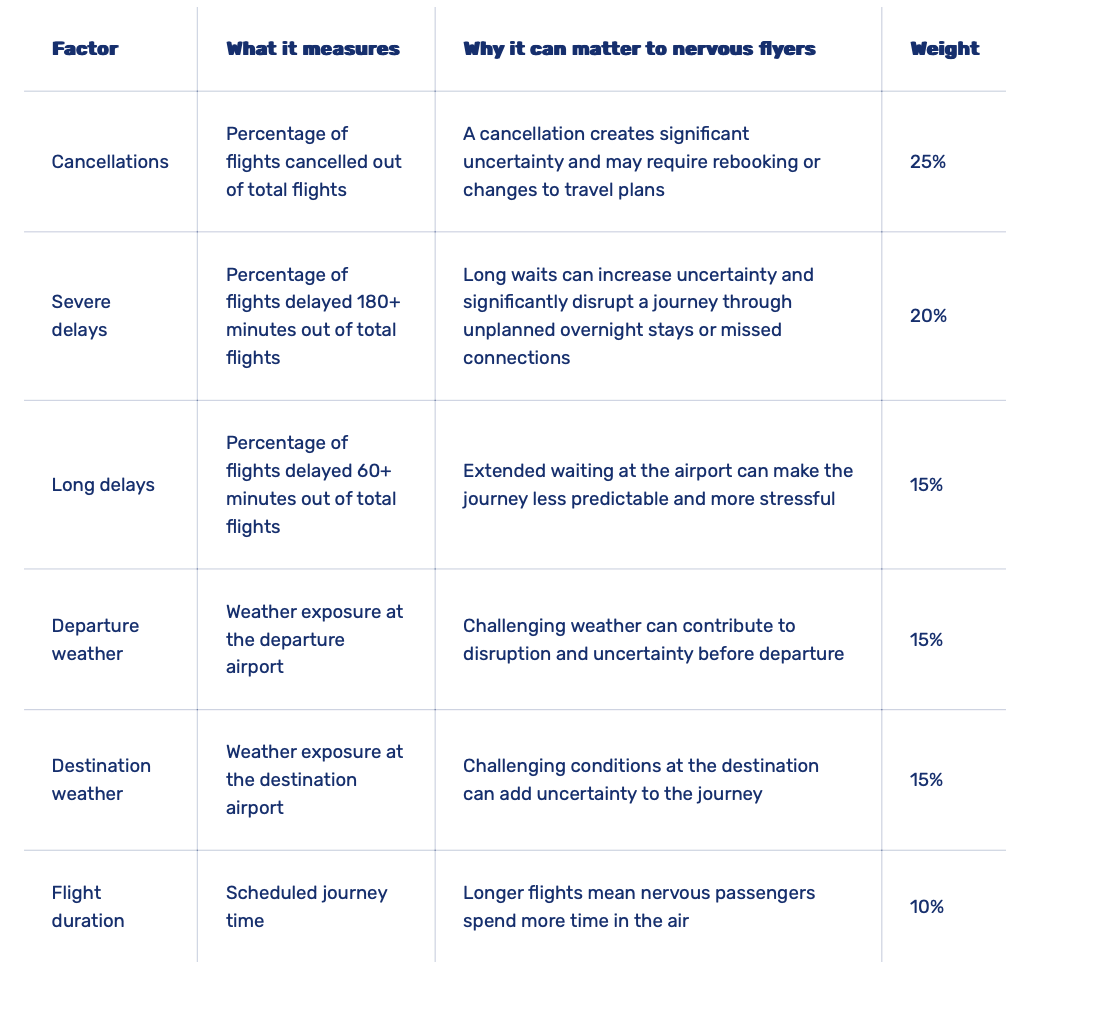
To put together the ranking, the study took into account delays, cancellations, weather vulnerability, and flight times. All of those tend to create extra stress for those who aren’t necessarily keen on flying.
However, flight safety and risk of turbulence were not included in the survey.
“The purpose of this ranking isn’t to tell nervous passengers which routes to avoid. It’s to show where some of the factors that create uncertainty are more common, so travellers can plan for them and feel better prepared,” said Anton Radchenko, CEO at AirAdvisor, in the study.
The Nervous Flyer Score named the route between Barcelona El Prat and Amsterdam Schiphol as being the most stressful one in Europe, with a nervous score amounting to 75.1%. The route between London Heathrow and Amsterdam Schiphol and the journey between Manchester and Dublin completed the top three, with 63.8% and 63.4%, respectively. Reportedly, no route in the top 20 had a higher delay rate than the one between Manchester and Dublin.
The 10 most stressful European routes for nervous flyers:
- Amsterdam to Barcelona, with a 75.1% (nervous score)
- London Heathrow to Amsterdam, 63.8%
- Manchester to Dublin, 63.4%
- Lisbon to Madeira, 61.4%
- Paris Charles de Gaulle to Nice, 60.8%
- Oslo to Stavanger, 46.8%
- Barcelona to Rome Fiumicino, 45.2%
- London Heathrow to Frankfurt, 44.2%
- Oslo to Trondheim, 42.4%
- Madrid to London Heathrow, 40.8%
“Fear of flying rarely depends on a single factor. Long waits at the boarding gate, unexpected last-minute cancellations and tricky weather conditions can significantly increase a passenger’s anxiety,” Radchenko said in an interview with Euronews.
In their study, the experts at AirAdvisor also share some advice on how to limit the amount of flight stress, both before and during a flight.
Before a flight, choose a direct route whenever possible to avoid missed connections. Opt for earlier flights, as this allows time for alternative options if one is severely delayed or cancelled. Avoid tight connections: the rush and panic of running through the airport to get to a gate can induce stress even on calm flyers. Stay up to date on the departure and destination weather, enable flight notifications in the airline’s app, and get to the airport early.
During a flight, travellers shouldn’t hesitate to tell the cabin crew about their anxiety, as they may be able to offer some help. Look for entertainment options, use simple breathing or grounding techniques, and remember that bad weather, delays, and cancellations are all normal.