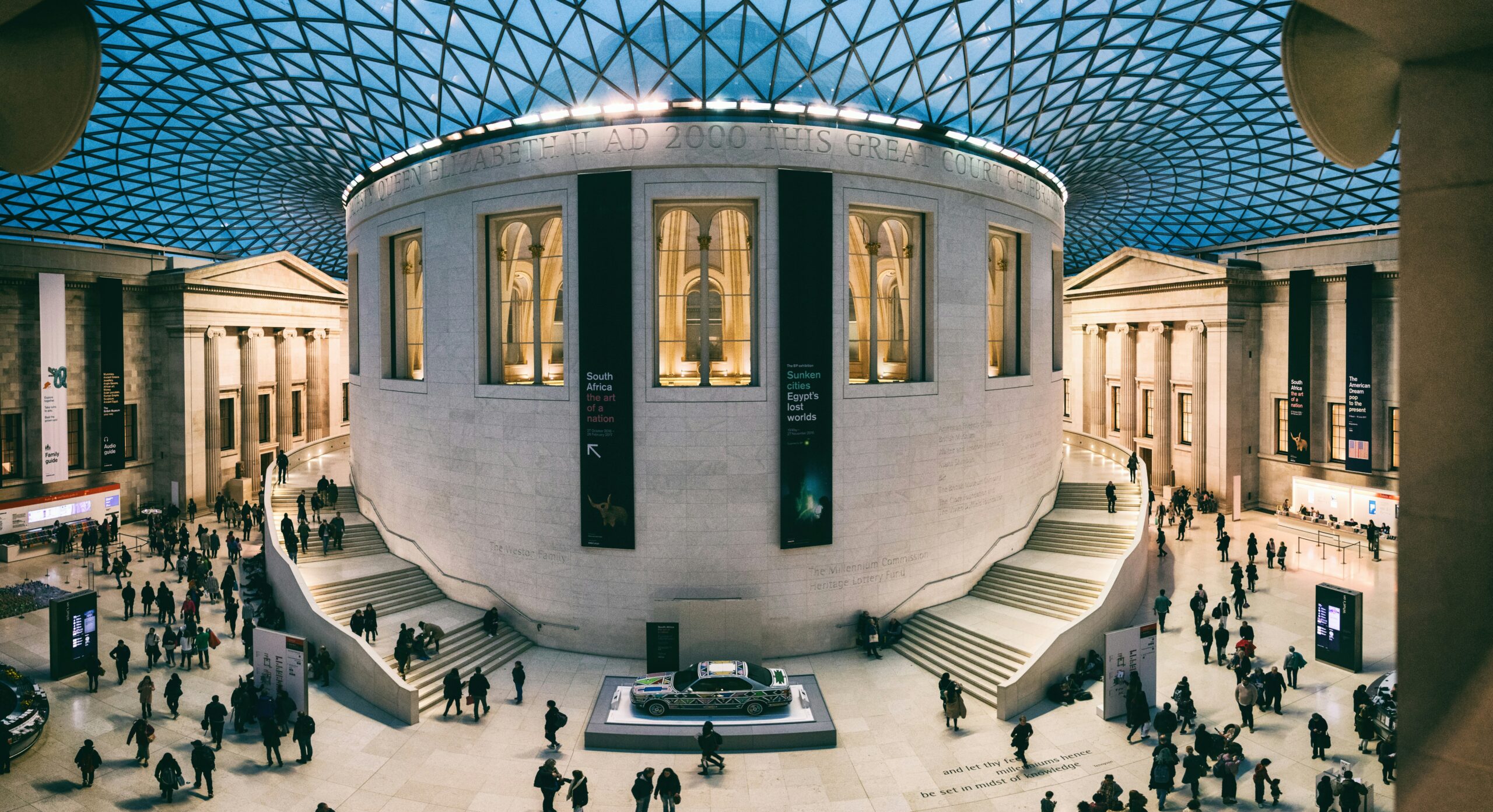


Visitors from abroad will continue to enter England’s national museums for free. The UK government has decided against a proposal to charge overseas visitors while keeping admission free for people living in the country. The decision covers national institutions including the British Museum, Tate and the Natural History Museum. It does not mean that every museum in England is free, as local and independent museums set their own admission policies.
The possibility of a charge emerged during a wider discussion about how museums should be funded. Earlier this year, the government said it would explore the idea with museums, tourism organisations and local leaders. At the time, international visitors could soon be charged for entry to free UK museums. The proposal raised questions about how museums would distinguish overseas visitors from people entitled to free entry. Critics also questioned whether visitors should have to pay to see objects from their own countries in British collections. Those concerns formed part of the debate, but the government has now ruled out the charge.
🚨 BREAKING: UK national museums & galleries “will remain free, to all of us, forever”.
— Campaign for the Arts (@_CFTA) September 29, 2026
Speaking at Tate Liverpool yesterday, Culture Sec Lisa Nandy put the debate to bed, pledging to defend free access for everyone 🏛️ 🌍 pic.twitter.com/eNQFQwBz1T
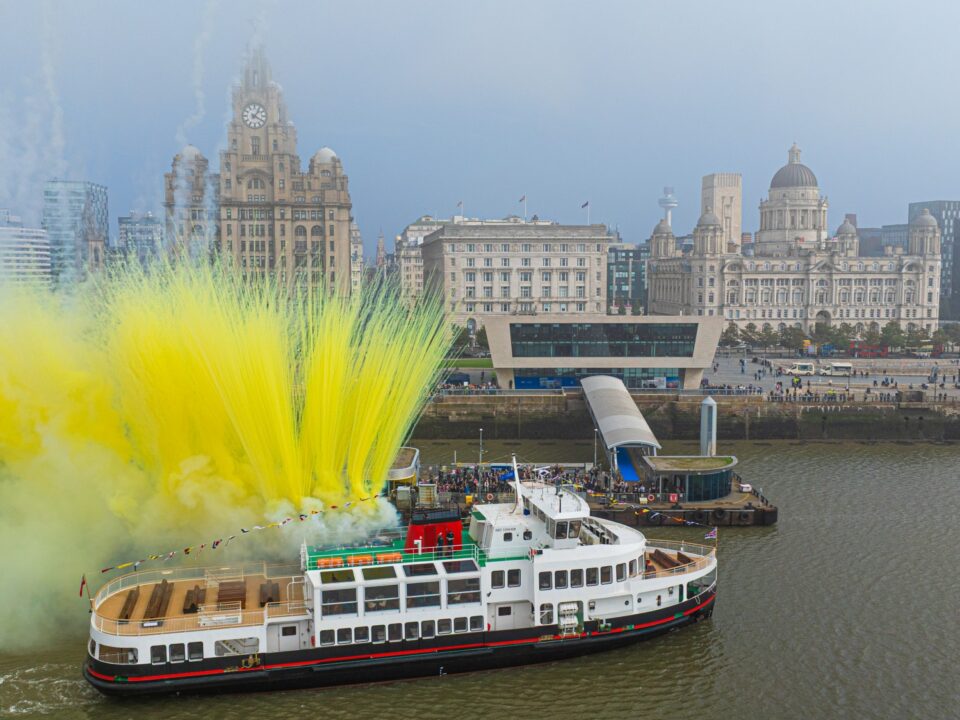
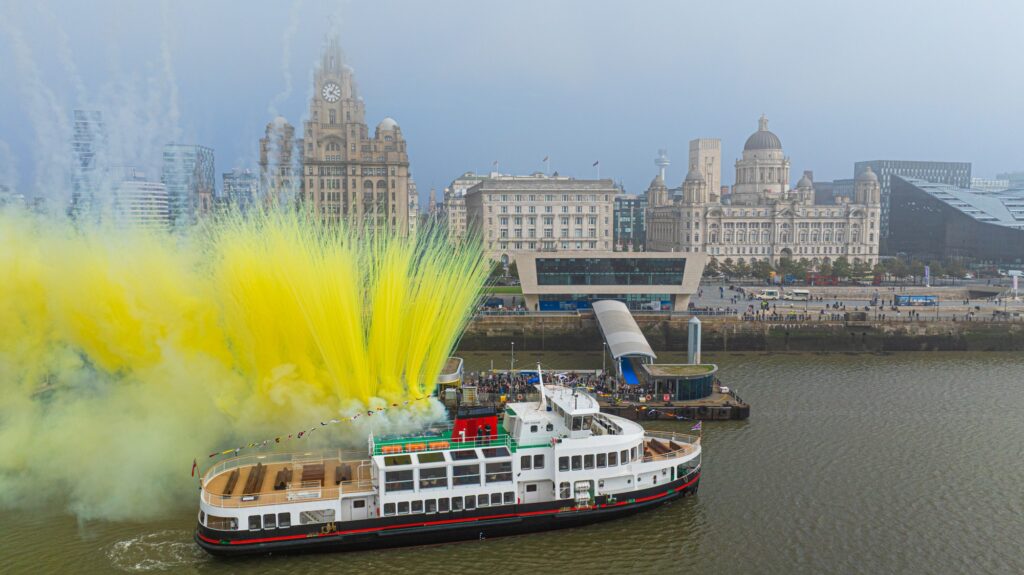
The government says a charge aimed at overseas visitors could also discourage visits by people living in the UK. It believes the costs and benefits would differ between museums, making the change more useful to some than to others. Culture Secretary Lisa Nandy defended the decision at an event in Liverpool on 28 September 2026. “That’s why they must be free, forever, for everyone to access,” said Nandy. Her announcement came a day before the government published its confirmation of the policy.
Free admission to the national museums was introduced in 2001 and will reach its 25th anniversary later this year. The institutions continue to draw large crowds from the UK and abroad. According to the government, 7.1 million people visited the Natural History Museum in 2025, while the British Museum received 6.4 million visitors. The government also says national museums contribute more than £1 billion (about €1.17 billion) a year to the economy. These figures show the scale of the sector, although they do not tell us how many visitors would have stayed away if a charge had been introduced.
Keeping general admission free does not make every museum visit free of charge. Permanent collections are usually covered by the policy, while some temporary exhibitions and events require a separate ticket. At the British Museum, for example, visitors can see the permanent collection for free but must pay for certain special exhibitions. Museums may also invite visitors to make a donation, which is optional. Travellers planning to see a particular exhibition should check its ticket details before visiting.
The question of how to pay for museums remains. The government says £760 million (about €886 million) from its Arts Everywhere Fund is being provided for museums. It has also announced £600 million (about €699 million) in infrastructure funding for national museums and other cultural organisations supported by the culture department. That money is intended to help with essential maintenance and building work. A further £160 million (about €187 million) is being invested in local and regional museums. The government says it will work with Arts Council England and the museum sector on a longer-term plan, with more details to follow.
England’s decision differs from the approach taken by the Louvre in Paris. The French museum now lists a €32 ticket for visitors who are neither citizens nor residents of the European Economic Area, which includes the EU countries, Iceland, Liechtenstein and Norway. Its standard adult ticket is €22, although exemptions and free admission periods also apply. For travellers comparing museum costs across Europe, the distinction matters: general entry to England’s national museums will remain free regardless of where a visitor comes from. A ticket may still be needed for a special exhibition.