

Low air quality is linked to an increased risk of death by suicide, attempted suicide, and suicide ideation, say scientists who looked at how exposure to airborne environmental pollutants, and noise pollution, influences mental health outcomes.
A research team from Queen’s University Belfast considered air, noise, light, and water pollution in a meta analysis of 29 studies investigating the relationship between environmental exposures and death by suicide, attempted suicide, or suicide ideation. They found small particulate matter and nitrogen dioxide were associated with a higher risk. Similarly, another 16 studies indicated sulphur dioxide, ozone, and other pollutants including noise, were found to be associated with higher risk levels. The results for water and light pollution were inconclusive.
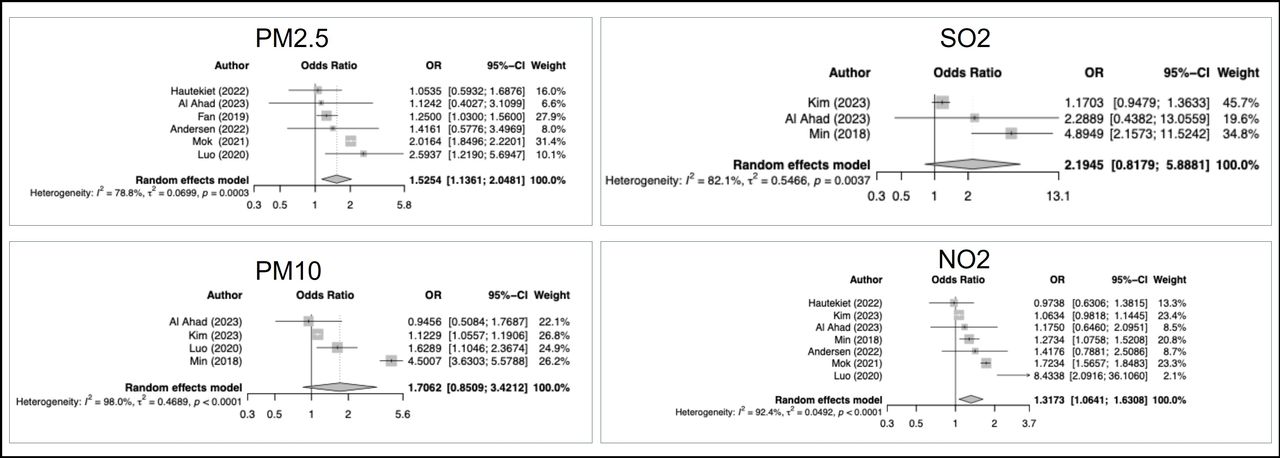
The findings have potential consequences for environmental, public, and social policymaking, the researchers say, since they suggest that improving air quality should be considered a public health issue alongside other suicide prevention strategies. Suicide is the cause of over 720,000 deaths annually and is the third biggest killer of 15– to 29-year-olds, the World Health Organization says.
If the studies findings can be taken at face value, the travel sector could be said to be implicated, after all transportation is known to be among the world’s most polluting sectors, responsible for around 14 to 15% of emissions. Travellers too, especially those on long-term trips away from home or choosing a digital-nomad lifestyle and residing abroad for lengthy periods, might decide to avoid destinations known to have poorer air quality in order to protect their mental wellbeing.
But some experts have questioned the study’s findings, pointing out that people’s reasons for attempting suicide are multi-factored, and that the study does not establish a causal link between air pollution and suicidal thoughts.
Every year, more than 727 000 lives are lost to suicide.
— World Health Organization (WHO) (@WHO) September 2, 2025
Behind each number is a story cut short.
We aimed for a 33% reduction in deaths by 2030, but progress is just 12%.
This is a crisis. We must act with urgency, compassion & investment in #SuicidePrevention 👉… pic.twitter.com/RPb460PELw
Dr Jon Van Niekerk, the chair of the general adult faculty at the Royal College of Psychiatrists, cited by The Guardian, noted that: “Air pollution is closely associated with other factors which we know can influence mental health, including socioeconomic deprivation, urban living, physical health and housing.” He went on to caution that “the findings should not be seen as supporting individual suicide risk prediction or suggesting that pollution reduction alone could be a suicide prevention measure.”
Still, the Belfast team conclude that their results “highlight the importance of considering environmental exposures as modifiable risk factors in suicide prevention,” raising questions about how humans have historically thought about suicide and mental health, and about how society manages complex threats to the population’s health and wellbeing.