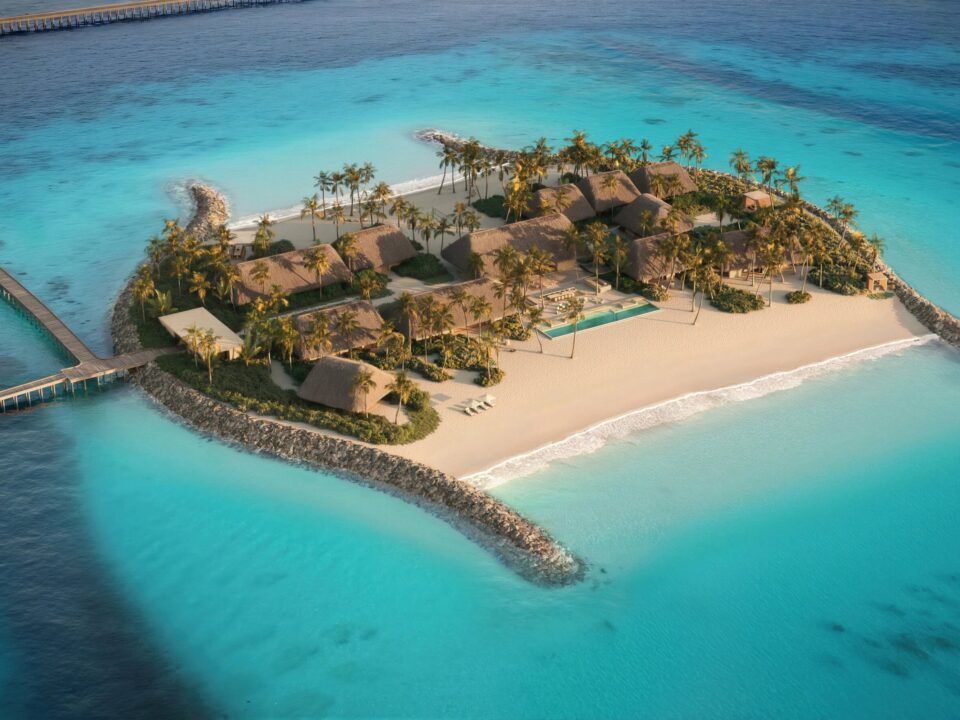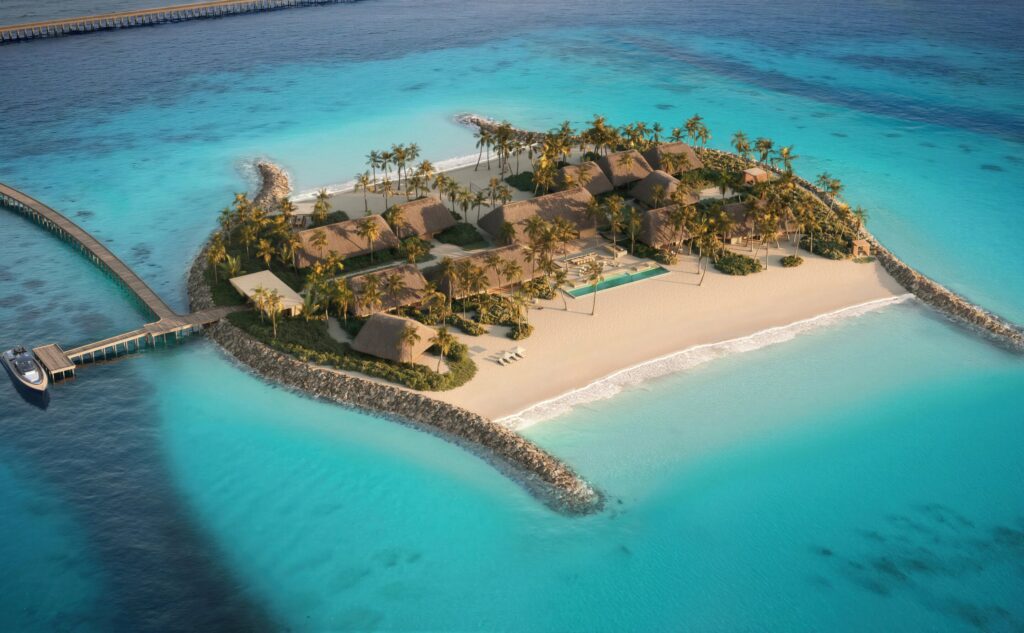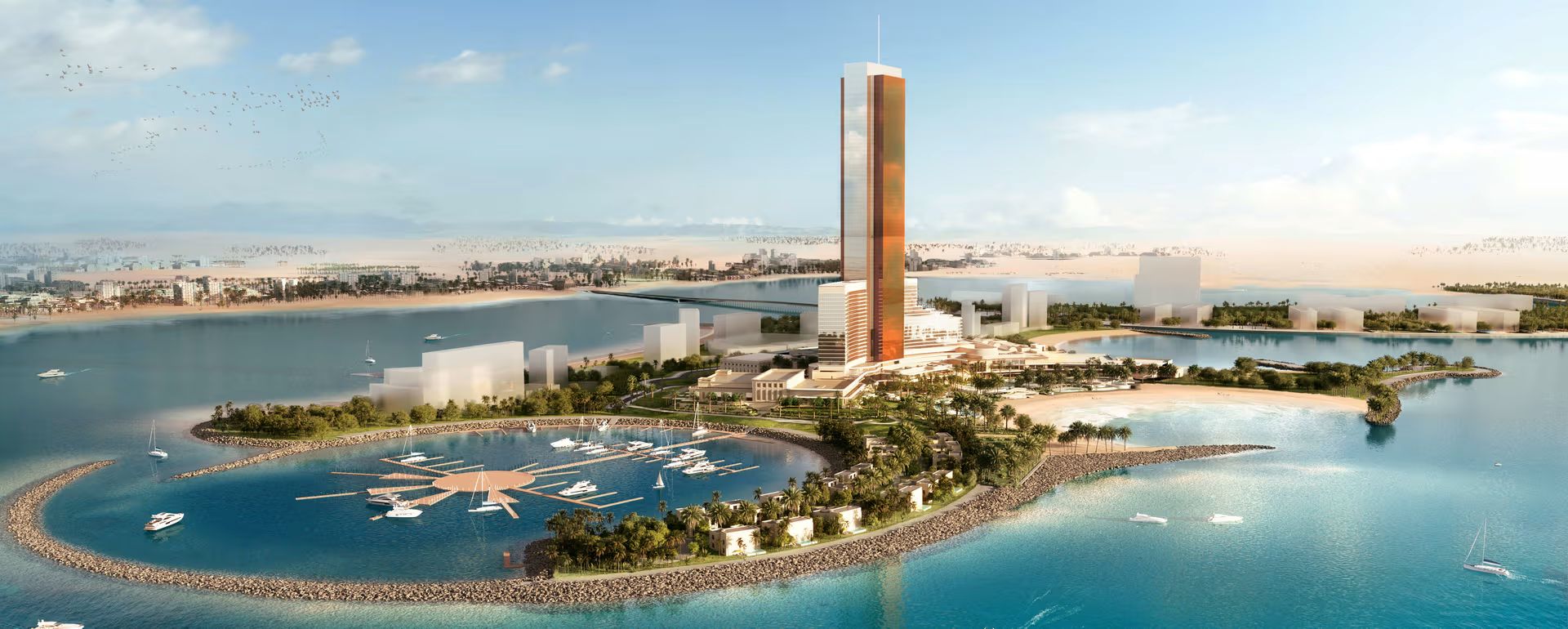



Wynn Al Marjan Island in Ras Al Khaimah is set to open in September 2027, becoming the UAE’s first licensed gaming resort. Developed by Wynn Resorts, the $5.1 billion (€4.4 billion) project is expected to mark a new chapter for the UAE’s tourism sector. The resort will combine luxury hospitality, entertainment, dining and gaming on a 60-hectare island overlooking the Arabian Gulf. With the opening, Ras Al Khaimah aims to strengthen its position as an international tourism destination alongside the better-known emirates of Dubai and Abu Dhabi.
The arrival of the UAE’s first casino resort represents a major shift in the country’s approach to commercial gaming. For decades, gambling has been prohibited in the UAE, but authorities started creating a framework for regulated gaming in recent years. In 2023, the General Commercial Gaming Regulatory Authority (GCGRA) was established to oversee the sector and ensure that future gaming activities would follow strict rules. In October 2024, Wynn Resorts received the UAE’s first commercial gaming operator licence, allowing the company to develop the country’s first licensed gaming facility.
Ras Al Khaimah was selected as the location for the ambitious project, offering a different setting from the busy urban environment of Dubai. The emirate has been investing heavily in tourism and luxury accommodation, while promoting its beaches, mountains and outdoor experiences. Located around 80 kilometres north of Dubai International Airport, Wynn Al Marjan Island is expected to attract international visitors looking for a combination of relaxation and entertainment. The resort could help position Ras Al Khaimah as one of the Gulf region’s emerging luxury tourism destinations.
Construction of the resort is currently entering its final stages, although the project has faced some delays. Wynn Resorts CEO Craig Billings previously announced a “modest delay” due to logistical and shipping challenges linked to regional conflicts and wider supply chain disruptions. The company estimated that these issues increased the cost of the project by around $600 million (€520 million). Despite these challenges, work on the resort is progressing, with the 70-storey tower reaching its highest structural point and interior works continuing across the property.
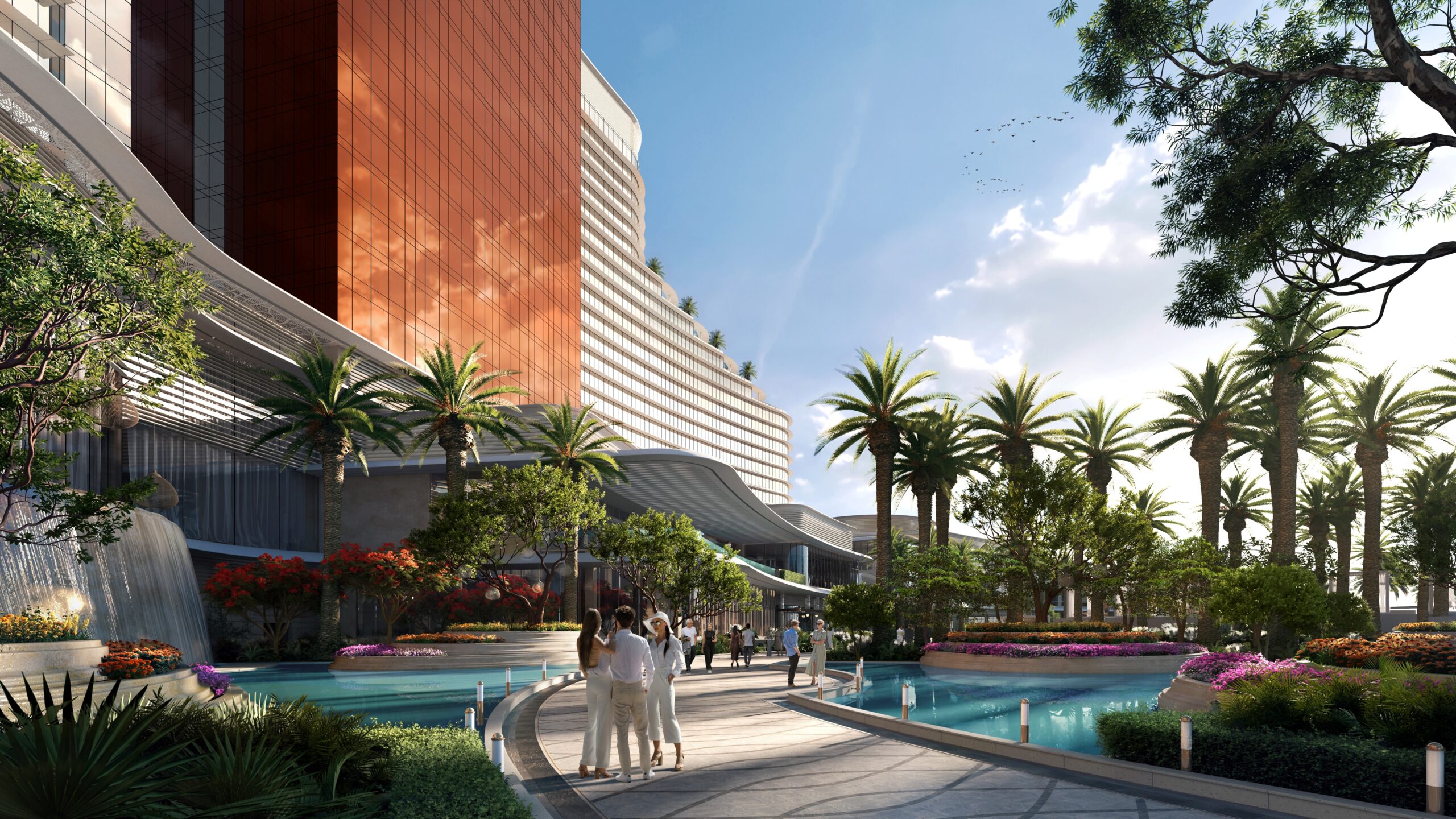
Wynn Al Marjan Island is designed as an integrated resort, meaning that visitors will find much more than a casino on the site. The development will include more than 1,500 rooms, suites and residences, offering different levels of accommodation. The resort will feature 22 restaurants, bars and lounges, bringing together international concepts and new dining experiences created specifically for Ras Al Khaimah. Among the announced venues are Delilah, a well-known entertainment dining concept from Las Vegas, and a new steakhouse by French chef Alain Ducasse.
Entertainment will also play an important role in attracting visitors to the resort. Wynn Al Marjan Island will include a theatre with around 900 seats, immersive experiences and live performances. The resort will also feature a 15,000-square-metre luxury retail promenade with international brands. These facilities reflect a broader trend in global tourism, where travellers increasingly look for destinations that combine accommodation, entertainment, shopping and unique experiences in one location.
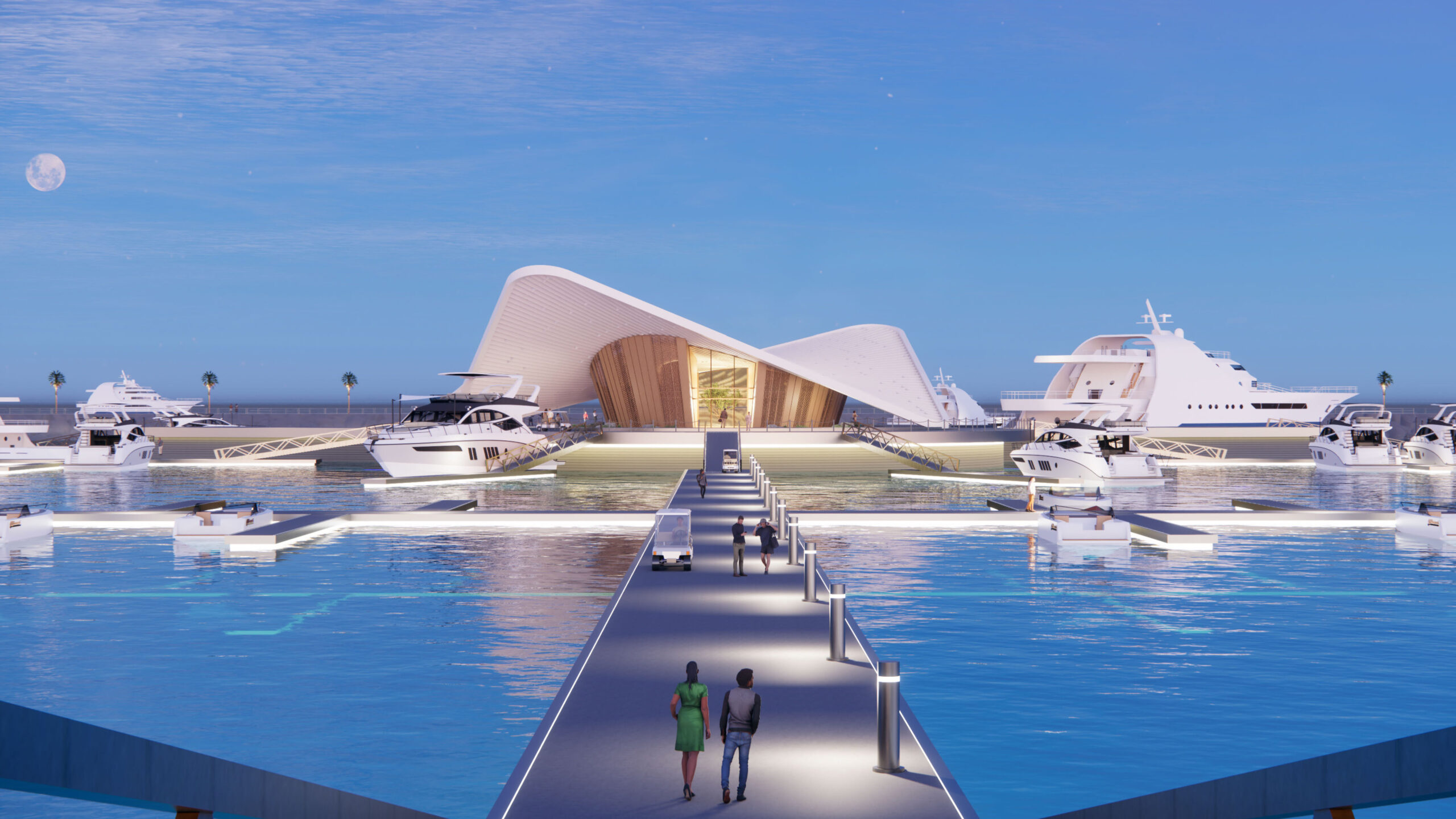
The resort will also focus on leisure and relaxation, with facilities designed for both short stays and longer holidays. Guests will have access to a 420-metre private white sand beach, 12 swimming pools, a luxury spa and a beach club. A marina will allow the resort to welcome superyachts from around the world, while events facilities will provide space for conferences, celebrations and other large gatherings. The combination of these amenities is aimed at attracting different types of travellers, from luxury holidaymakers to business visitors.
The opening of Wynn Al Marjan Island comes as the UAE continues to expand its tourism offer beyond traditional attractions. Dubai has built a global reputation around shopping, architecture and luxury experiences, while Ras Al Khaimah is developing its own identity based on nature, beaches and high-end resorts. The new project adds another element to the emirate’s tourism strategy by introducing a large-scale entertainment destination. Future transport improvements, including a new bridge connection and plans for possible flying taxi services between Ras Al Khaimah and Dubai, could further improve accessibility for international visitors.