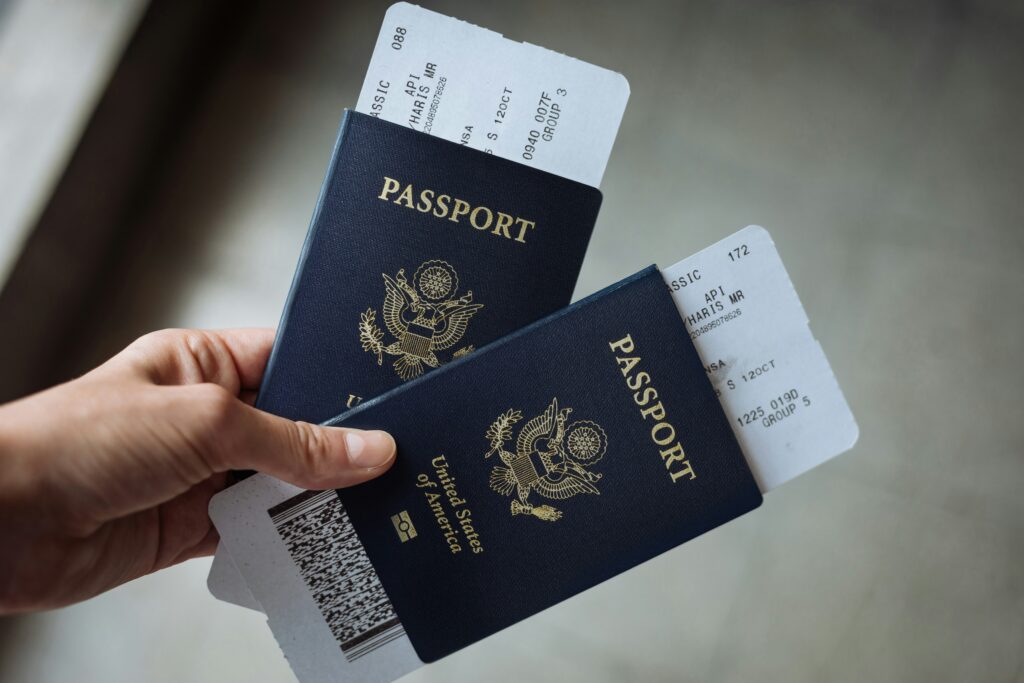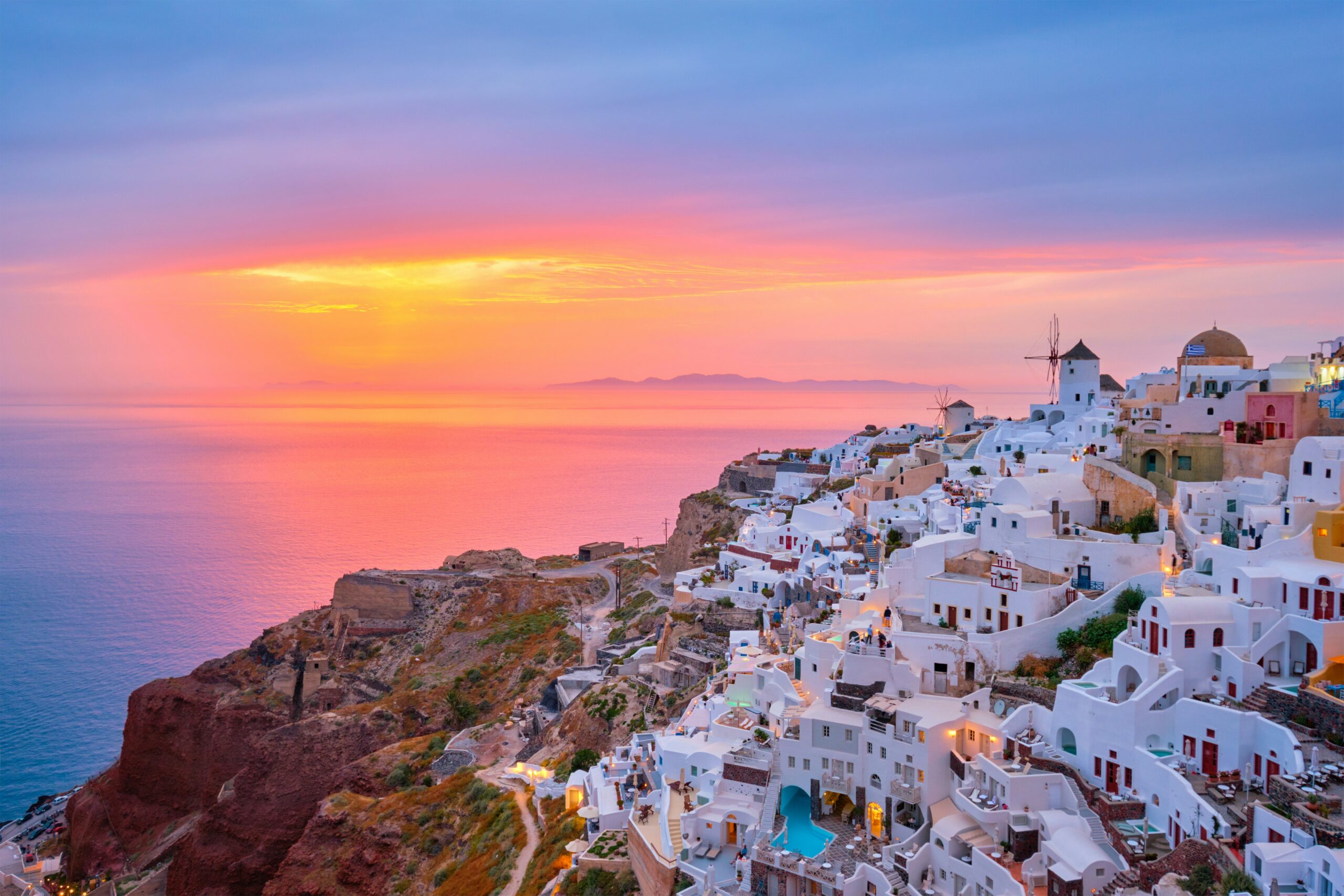


A Greek visa scheme for Turkish visitors has driven 25% growth in Turkish arrivals to the Hellenic Republic since 2024, Bank of Greece data shows. The so-called “door visa “ (kapi vizesi) allows Turkish guests to obtain visas on arrival, giving them seven-day access to a suite of Greek Islands amid growing demand for European destinations among Turkish travellers keen to avoid their own country’s surging market.
When it started in April 2024, the scheme initially opened up 10 Greek islands for Turkish visa-on-arrival tourists. That number was expanded to 12 islands in 2025, a year during which Turkish visitors to Greece increased by 300,000 to hit 1.5 million, with Turkish travel agents crediting the scheme for the growth.
Greek Prime Minister Kyriakos Mitsotakis agrees, noting the visa programme’s “particularly successful” outcomes and indicating it would continue, both as an economic driver and a soft power play helping to attenuate historic tensions between the Aegean neighbours. Maritime borders in the region have long been the subject of disputes and the islands made accessible by the scheme (Chios, Kalymnos, Kastellorizo, Kos, Leros, Lesvos, Limnos, Patmos, Rhodes, Samos, Samothraki and Symi) are all situated close to the Turkish coast.
“In the last year alone, hundreds of thousands of Turkish friends have travelled to the Greek islands, bringing our peoples closer together,” Mitsotakis said.
Despite some teething problems in the form of long waits for authorisation on entry, the visa-on-arrival scheme gives Turkish citizens an alternative to the handful of mainly Balkan nations (Albania, Bosnia and Herzegovina, Kosovo, Macedonia, Montenegro, Serbia) that also offer visa-free European travel. It also comes at a time when Schengen zone visa applications entail long waits, increased costs, and potential refusal for Turks.
Türkiye’s potential for joining the European Union has been a major bone of contention in the bloc’s immigration and security debate. European lawmakers have criticised Ankara over its lack of an independent judiciary, pressure on journalists and political opponents, its closeness with Russia, non-recognition of the Republic of Cyprus and refusal to engage in dialogue.
The seven-day door visa cannot be extended and does not give Turkish citizens full Schengen access, preventing onward travel to mainland Greece and other Schengen countries.
Greece is not a stranger to controversial border policy, having unilaterally said it would suspend the EU’s new Entry/Exit System early in 2026, due to the disruptive effect of the biometric process on arrivals from the UK, a major source market. Air arrivals for the first half of 2026 reached 10.7 million passengers, a 3.8% increase over 2025 according to data from the Institute of the Association of Greek Tourism Enterprises (INSETE).
Introduced in April 2024, the visa-on-arrival scheme, known in Turkey as the “door visa” (kapi vizesi), initially covered 10 Greek islands before being renewed and expanded to 12 last year.
The list of islands — all near the Turkish coast — includes Rhodes, Chios and Kos.
It allows Turkish citizens to visit participating islands for up to seven days without obtaining a full Schengen visa in advance, but cannot be extended and does not permit onward travel to mainland Greece or to other Schengen-area countries.
“Getting a Schengen visa is becoming increasingly difficult for Turks, but this new system makes it easy and fast for us to visit the Greek islands,” said Emirhan Gurses, a 21-year-old student from Manisa.
Nearly 1.5 million Turks visited the country in 2025, up from 1.2 million in 2024, according to Bank of Greece figures. Turkish travel agents say most of them took advantage of the express visa to see the islands.
For many Turks, it has offered an affordable alternative at a time when soaring inflation has made holidays at home increasingly expensive.
During a visit to Ankara in February, Greek Prime Minister Kyriakos Mitsotakis hailed the scheme as “particularly successful”.
“In the last year alone, hundreds of thousands of Turkish friends have travelled to the Greek islands, bringing our peoples closer together,” Mitsotakis said, adding that both countries want to renew the programme.
The island visa is a bright spot in an otherwise tense backdrop between the two NATO allies and neighbours, and not just because of the centuries-old Greek-Turkish rivalry.
Ankara recently complained about Athens shutting down Turkish-language schools, a move the Greeks blame on declining pupil numbers.
Athens in turn has been irritated by a Turkish plan to enshrine into domestic law claims over parts of the Aegean.
‘Great support’
The visa-on-arrival scheme comes as Turkish demand for travel to the European Union has outpaced the capacity of many consulates to process Schengen visa applications, leaving applicants facing long waits, rising costs and uncertainty over approvals.
The visa-on-arrival scheme for Turks was introduced in 2024 and has since expanded to cover a dozen Greek islands © Sakis Mitrolidis / AFP
For tour guide Mikail Esabalioglu, a Greek resident of Samos originally from Istanbul, Turkish visitors have become an increasingly important part of the island’s tourism economy.
“We receive many Turkish guests, especially from Izmir and other parts of Turkey’s Aegean coast,” he said.
But the programme could be improved even further, he said: “because visitors sometimes have to wait a long time at the entrance and the arrival process can be difficult”.
Samos business owner Giannis Kagias said Turkish visitors had “made a big difference” to the island’s economy.
“Our Turkish friends who come here are a great support,” he said, adding: “Without Turkish visitors, I think the situation for businesses on the island would be much more difficult.”
Even though the scheme makes it easier for Turks to visit, they can still encounter long lines for authorisation when they get off the ferries © Sakis Mitrolidis / AFP
Selim Zuberi, a 38-year-old consultant from Mersin, said the programme was also important for bringing people from the two neighbouring countries closer.
People can “experience each other’s cultures”, he said.
“History has had its conflicts, but we should not carry those burdens forever. We should enjoy life”.