


The UK government has awarded £7.3 million (around €8.5 million) to eight British companies developing electric and hydrogen-powered aircraft. The funding aims to accelerate the transition towards zero-emission aviation and support the introduction of new aircraft technologies across the country. Part of the investment will focus on bringing flying taxis closer to commercial use by testing how they could operate within existing airport environments. The projects are part of a wider effort to reduce emissions from aviation while creating new opportunities for the British aerospace sector.
The funding will support research and development projects focused on both electric aircraft and hydrogen-powered planes. Up to £3.2 million (€3.7 million) will go to projects involving BETA Technologies and Vertical Aerospace, which will demonstrate how next-generation aircraft could be integrated into commercial airport operations. The remaining funding will contribute to a wider £43 million (€50 million) package dedicated to future aviation technologies. This package also includes work on the safe handling of electric and hydrogen-powered aircraft.
Electric aircraft use batteries to power their engines, while hydrogen aircraft use hydrogen as an alternative energy source. Both technologies are being explored as possible solutions to reduce aviation emissions. However, introducing these aircraft requires more than just developing the planes themselves. Airports will also need new infrastructure, including charging facilities and systems to safely manage new types of aircraft.
“The next generation of flight is taking off in the UK,” said Heidi Alexander, the UK Secretary of State for Transport. She added that electric and hydrogen-powered aircraft could bring passengers closer to the flights of the future while creating skilled jobs and supporting businesses. According to the government, cooperation between companies, airports and regulators will be essential to develop cleaner aviation.
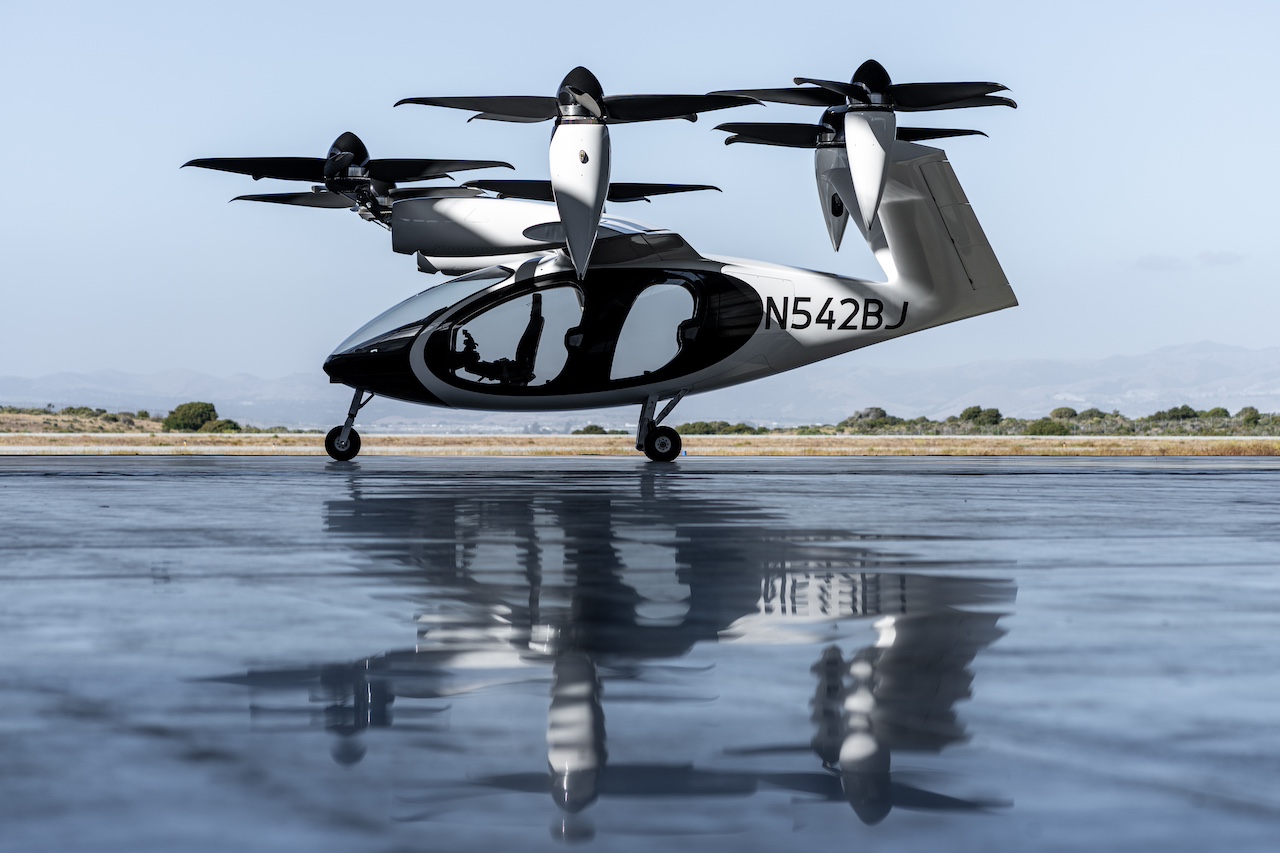
Flying taxis are one of the technologies receiving increasing attention in the UK. These aircraft, also known as electric vertical take-off and landing aircraft (eVTOLs), can take off and land vertically without needing a traditional runway. This makes them suitable for short-distance connections between airports, cities and nearby regions. Research from the University of Birmingham found that flying taxis could improve connectivity, support economic growth and contribute to cleaner transport.
Several companies are already preparing for a future where air taxis become part of everyday travel. During the Farnborough International Airshow in July 2026, Virgin Atlantic and Joby Aviation signed an agreement to bring electric air taxi services to the UK. The partnership focuses on launching services in London and Manchester, with Virgin Atlantic planning to offer bookings through its digital platforms.
Under the agreement, Joby Aviation will remain responsible for operating the aircraft, managing routes and obtaining approval from the UK Civil Aviation Authority. The company’s aircraft are designed to carry one pilot and up to four passengers. They use six tilting propellers, allowing them to take off vertically and fly with less noise than traditional helicopters.
That's a wrap on @FIAFarnborough. 👏
— Joby Aviation (@jobyaviation) July 29, 2026
In one week: we signed a definitive agreement for our exclusive UK partnership with @VirginAtlantic, welcomed government leaders, and shared our vision for quiet, electric flight with the aerospace industry.
And with @flybladenow flying… https://t.co/75X5LGU252 pic.twitter.com/sOOiscRewU
The potential travel benefits are mainly focused on short connections. A future air taxi route between Heathrow and central London could take around eight minutes, compared with more than an hour by car. A connection between Manchester Airport and Leeds could also be reduced to around 15 minutes. The technology is not expected to replace traditional flights but could offer a new option for reaching airports and travelling between nearby cities.
Before passengers can use these services, companies still need to complete testing and receive regulatory approval. The UK Civil Aviation Authority is working towards certifying passenger-carrying eVTOL aircraft from the end of 2028. Vertical Aerospace, one of the companies involved in the government-backed projects, expects passenger services to begin from 2029.
The investment is part of the UK’s wider strategy to reduce emissions from aviation. In May, the government announced a £46.5 million (€54 million) investment supporting flying taxis and drones for applications such as medical deliveries and police operations. The UK is also investing £2.3 billion (€2.7 billion) over the next decade through the Aerospace Technology Institute Programme to support the development of new aviation technologies.
Airlines, airports and technology companies are increasingly working together to prepare for a different aviation landscape. Discussions at the Farnborough International Airshow focused on how innovations such as electric aircraft, hydrogen technology and artificial intelligence could help reduce emissions. With new aircraft designs being tested and regulations being developed, the UK is preparing the infrastructure needed for the next generation of air travel.