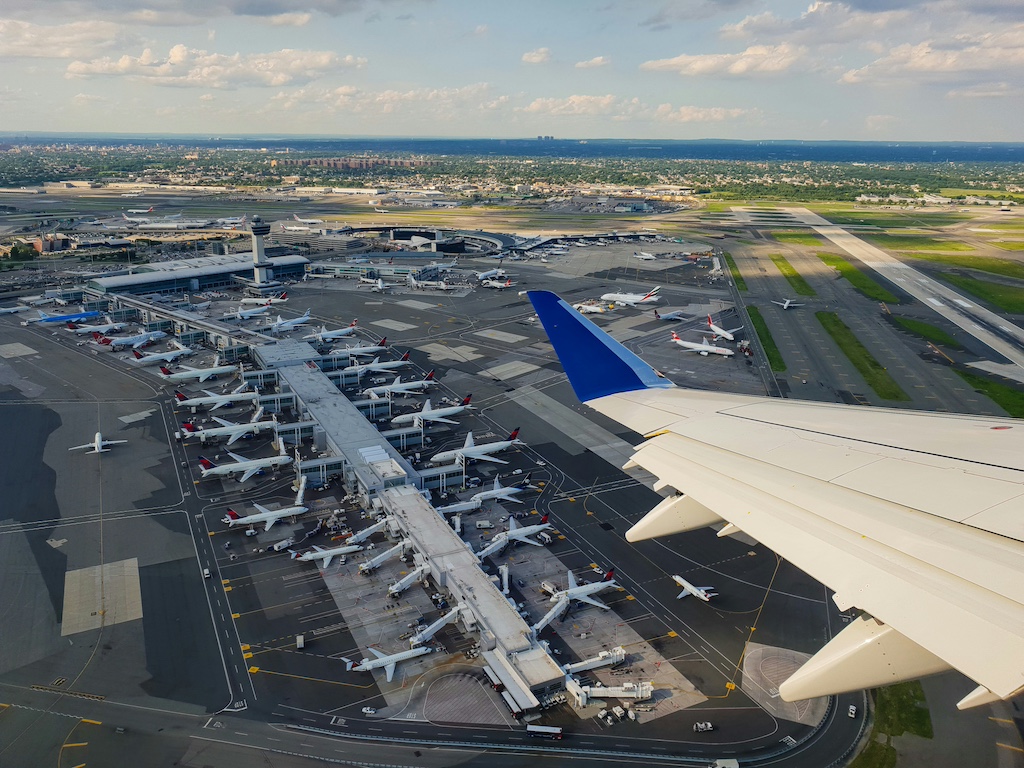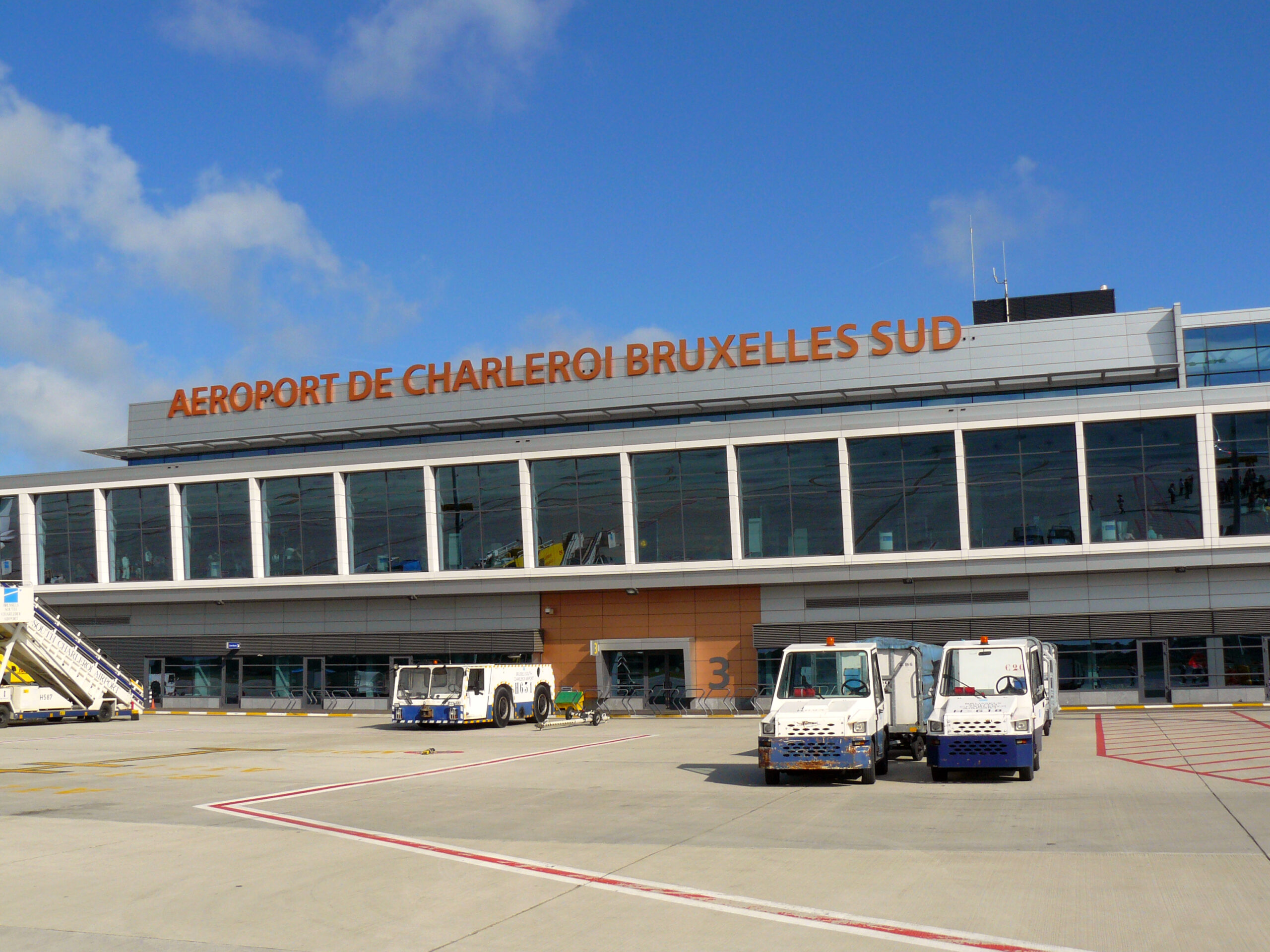



Charleroi Airport is set to close for 11 weeks in the second half of 2028 in order to fully reconstruct its sole runway. The airport authorities have described this as the largest infrastructure project in the airport’s history.
Belgium’s second-busiest airport, Brussels South Charleroi Airport, is one of Europe’s leading low-cost hubs, handling over 10 million passengers each year. Serving as Ryanair’s main Belgian base, it offers affordable flights to dozens of European and Mediterranean destinations, playing a pivotal role in Belgium’s aviation network and facilitating inbound tourism.
The announcement has come as a shock to trade unions, airport staff and travellers alike, unfolding amid ongoing tensions between the Walloon government and Ryanair.
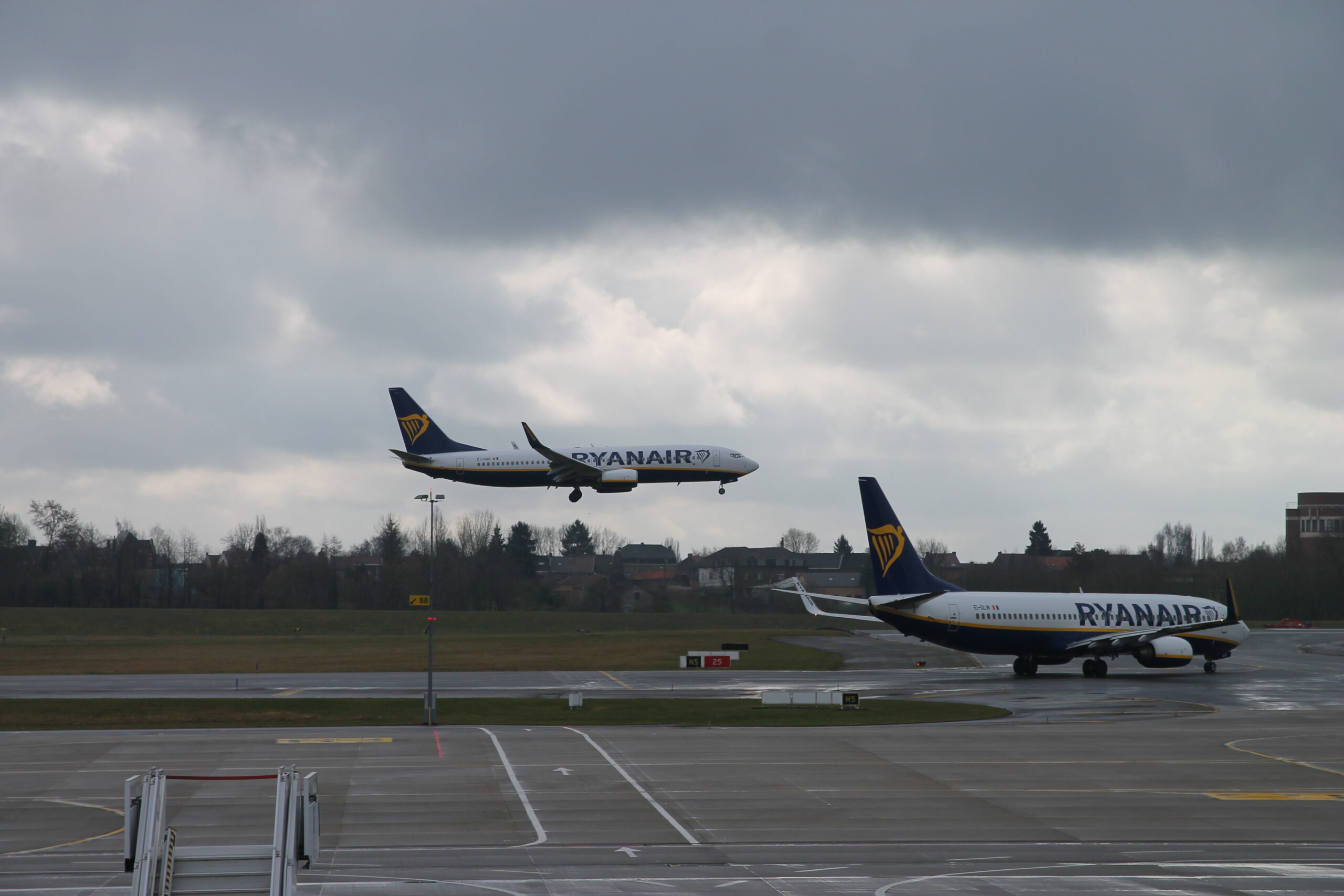
The regional government has recently urged Charleroi to diversify its carrier base after Ryanair announced it would cut two million seats due to disputes over local taxes and fees. However, the airport authorities maintain that the 11-week shutdown is strictly a matter of necessity.
The airport’s sole runway is nearing the end of its operational life, with airport authorities noting that it has a lifespan of around 25 years. Airport authorities described the works as “historic”. Other modernisation projects are planned alongside the rebuild, including upgrades to the drainage system and renewal of the runway lighting, markings, and other airfield infrastructure. These improvements are intended to ensure operational stability and safety for decades to come.
“These investments are necessary to ensure the long-term safety, performance and attractiveness of the airport,” said the airport.
To minimise disruption, several projects will run simultaneously, though this will also mean that air traffic will be completely halted for the duration.
Walloon Minister of Airports Cécile Neven responded to the unions’ criticism by stressing that preparations have been under way for some time. “SOWAER [the Walloon organisation responsible for managing infrastructure and spatial planning around the Liège and Charleroi airports] and Charleroi Airport have been studying the runway renovation for years. In November 2024, a joint decision was made on how the works in 2028 will be organised,” her office said.
Trade unions, however, remain concerned about both the airport’s future and the impact on employees.
SETCa representative Alain Goelens accused the Walloon government of lacking a clear long-term strategy for the airport and questioned whether airlines would restore all routes once operations resume.
“What guarantees are there that all destinations will return after reopening? And what about the wages of employees who are temporarily laid off? Despite questions from the unions, there remains a lot of uncertainty,” he said.
The closure is expected to affect airlines, passengers and airport businesses alike. While Brussels Airport could absorb some of the lost traffic, the number of available slots there is limited. Other regional airports, including Liège, Lille and Maastricht Aachen, may also take on some of the displaced traffic, although airlines have yet to announce their contingency plans.
Passengers with bookings during the closure will likely be offered alternative flights or relocated to other airports, or they will receive refunds.
The airport has said that it will publish a detailed timetable for the works well in advance, to allow sufficient time for airlines, passengers, and commercial partners to prepare.