


The European Union’s transport sector remains overwhelmingly dependent on oil-derived fuels, even as alternative infrastructure expands rapidly, while tourism has reached record levels with more than 3 billion overnight stays, according to a new European Commission report.
The fourth edition of Transport and Tourism in the European Union: Current trends and issues brings together the latest indicators on the competitiveness, sustainability, resilience, connectivity and safety of Europe’s transport system, alongside a detailed assessment of the EU tourism sector and individual country factsheets.
Transport remains a major part of the European economy, with around 1.4 million private and public companies employing approximately 10.4 million people across the EU. But despite progress in electrification and alternative fuels, the Commission’s figures underline the scale of the challenge involved in decarbonising mobility.
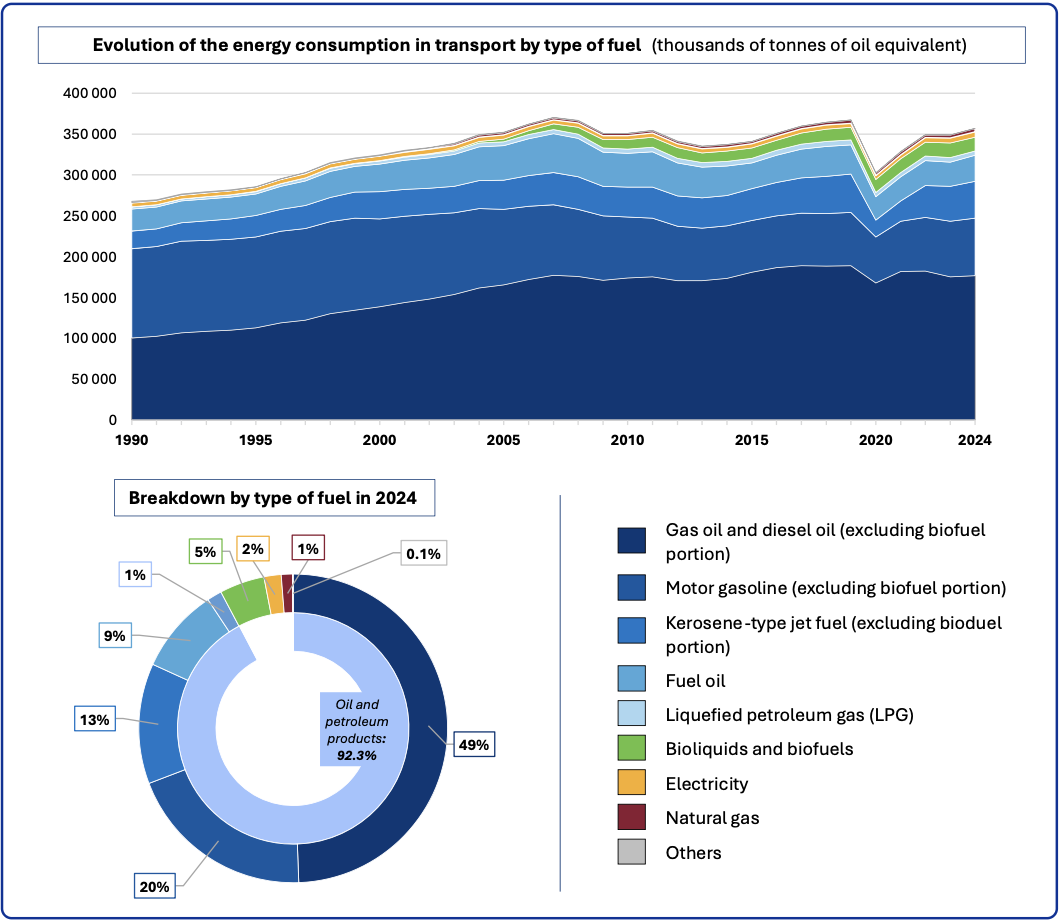
Oil still dominates European transport
In 2024, transport accounted for 32.3% of the EU’s final energy consumption, with oil-derived fuels representing 92.3% of all energy consumed by the sector.
Road transport was by far the largest consumer, responsible for 73.1% of transport energy consumption. International maritime transport represented 11.2%, followed closely by international aviation at 11.1%.
Long-term trends also vary considerably between modes. Aviation energy consumption increased by 100% between 1990 and 2024, while rail energy consumption declined over the same period.
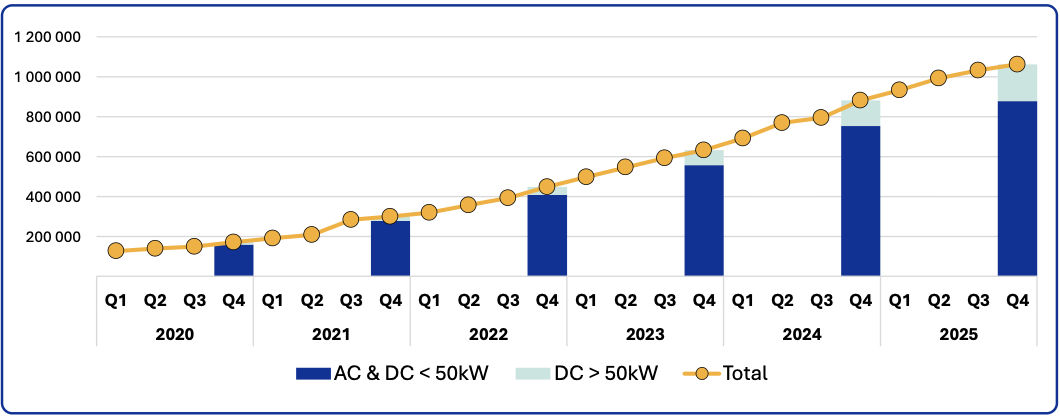
At the same time, the transition towards alternative fuels is becoming increasingly visible in European infrastructure. The number of electric vehicle charging points across the EU increased from around 130,000 in 2020 to more than 1 million in 2025, representing growth of approximately 735%.
Progress on rail infrastructure is more mixed. Around 57.4% of the EU’s active railway network was electrified in 2023, although approximately 80% of rail traffic already runs on electrified lines.
The Commission is also looking towards further expansion of high-speed rail. The EU network reached around 12,000 km in 2023, with Spain accounting for approximately 28% and France for 23% of the total.
EU tourism exceeds 3 billion nights
Against the challenges facing transport, the report depicts a European tourism industry reaching unprecedented levels of activity.
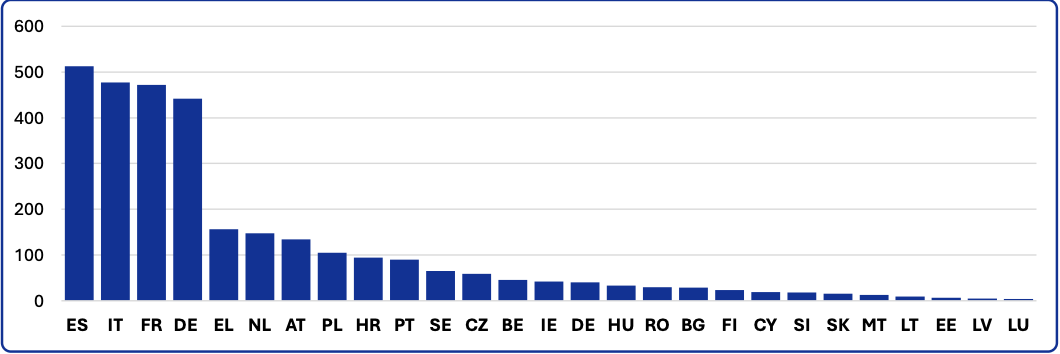
In 2025, the EU recorded more than 3 billion nights spent in tourist accommodation establishments for the first time, setting a new record. Spain, France, Germany and Italy together accounted for more than 60% of those overnight stays.
International demand has also continued to recover. The EU received 582 million tourist arrivals in 2025, representing around 38% of worldwide tourist arrivals. That compares with 540 million arrivals in 2019.
However, Europe’s share of global tourism has fallen from 47% in 2022, even as the absolute number of visitors has increased.
The economic importance of the sector is substantial. EU residents spent an estimated €618 billion on tourism trips in 2024, of which 42% was spent on trips within their own country, 34% elsewhere in the EU and 24% in the rest of the world.
Growth brings new tourism challenges
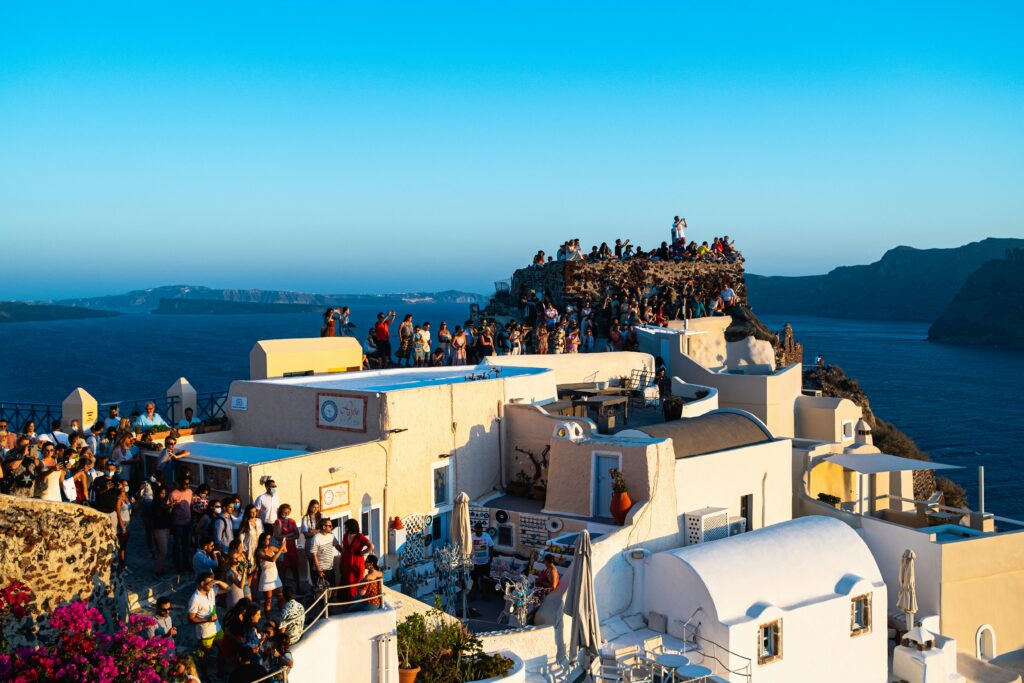
Record visitor numbers also come with growing pressure on some destinations.
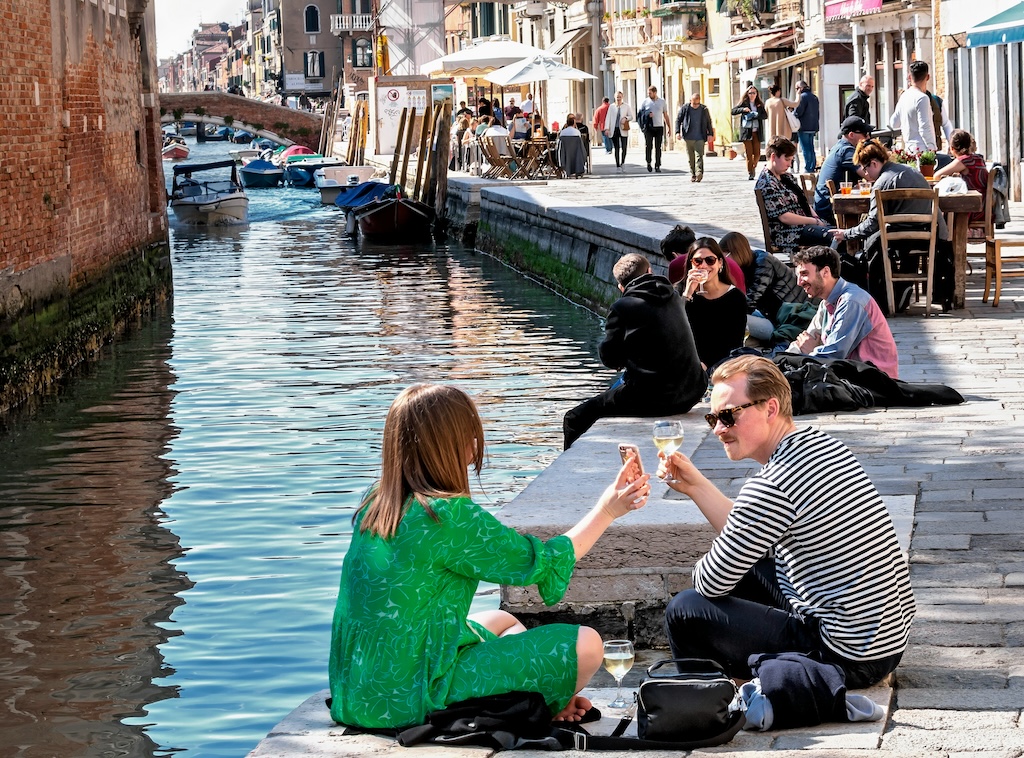
Nearly 20% of all EU overnight stays are concentrated in just seven regions: Canarias, Jadranska Hrvatska, Île-de-France, Cataluña, Andalucía, Veneto and Illes Balears.
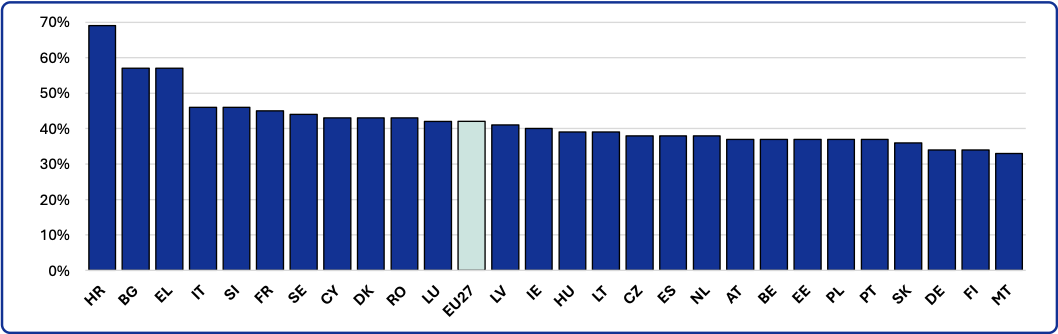
Seasonality remains another challenge, with 42% of overnight stays in 2024 taking place during July and August. The Commission identifies overcrowding and overdependence on tourism in some areas alongside underdeveloped tourism potential elsewhere.
The structure of the industry presents additional vulnerabilities. SMEs represent 99.9% of tourism companies, while the report points to challenges including environmental pressures, staff and skills shortages, digitalisation and dependence on larger tour operators and online booking platforms.
These issues are expected to feed into the forthcoming EU Sustainable Tourism Strategy, due in 2026. The Commission says the strategy will aim to support a more competitive, sustainable and inclusive tourism model, strengthen local communities and increase the industry’s resilience to future challenges.