

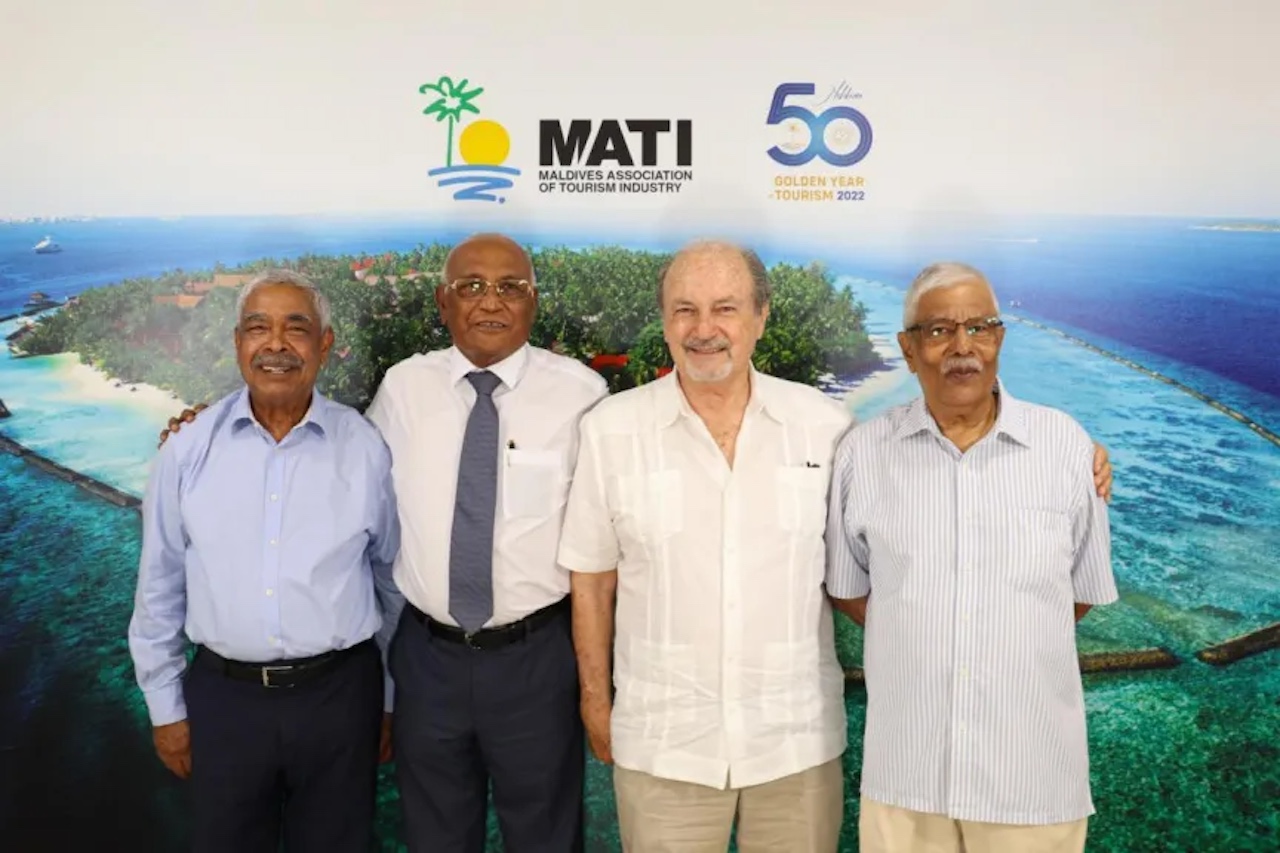
He is the man who helped transform what was once a remote fishing nation into a world-renowned luxury destination. Mohamed Umar “MU” Maniku is widely regarded as one of the pioneers of tourism in the Maldives. As chairman of Universal Enterprises for more than five decades, he oversaw the growth of a company that came to operate several properties across the sprawling archipelago.
August marks the first anniversary of his death at the age of 78, but his remarkable legacy lives on through the company’s recently rebranded resort portfolio. Another important date in the Maldivian calendar is 3 October, National Tourism Day. It commemorates the opening in 1972 of Kurumba, near Malé, the country’s first resort and the first launched by Maniku.
A brief history
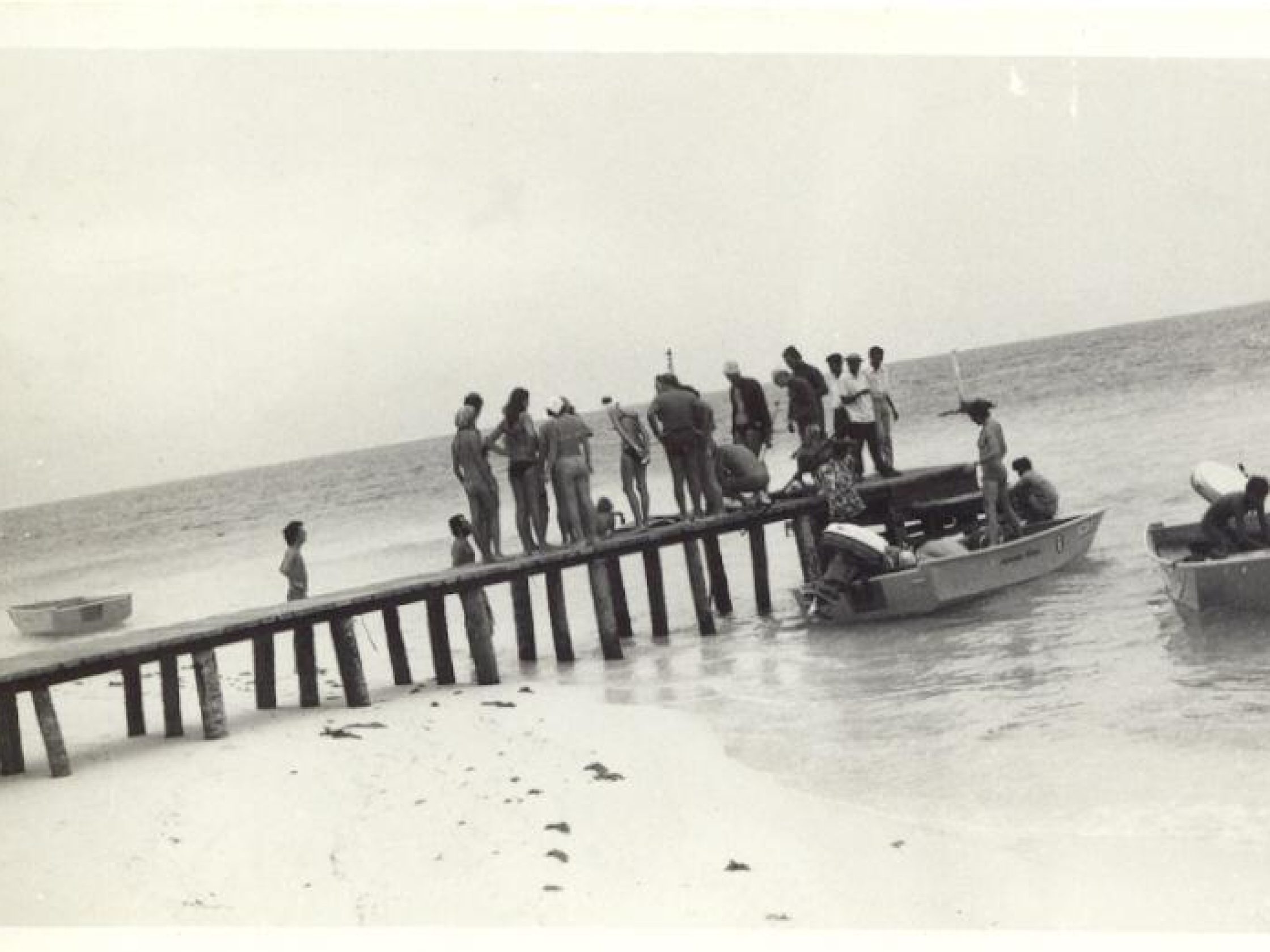
Human settlement in the Maldives dates back some 4,000 years, but in the early 1970s, the country looked very different from the luxury destination it is today. When Maniku and three friends opened Kurumba, there was not even a landing dock. Visitors had to wade through waist-high water to reach the beach from their boats. The first guests were mostly intrepid travellers, journalists and photographers from Italy.
According to the Maldives Independent, a “watershed moment” came in 1987, when Maniku spearheaded Kurumba’s transformation into a world-class luxury hotel. The expansion of Velana International Airport, near the capital Malé, also played a decisive role in propelling the Maldives to the enviable position it now enjoys.
Resort islands
Today, there are well over 100 resort islands to choose from, but two that offer a particularly broad range of experiences are Niva Kuramathi and Niva Dhigali, both part of the rebranded Universal Resorts portfolio.
Kuramathi, located roughly in the centre of the Maldives, is the country’s second-oldest resort island. The excitement begins before visitors even set foot there, with a speedboat journey from just outside Malé airport. After around 50 minutes, the island, some 45 kilometres away, appears on the horizon.
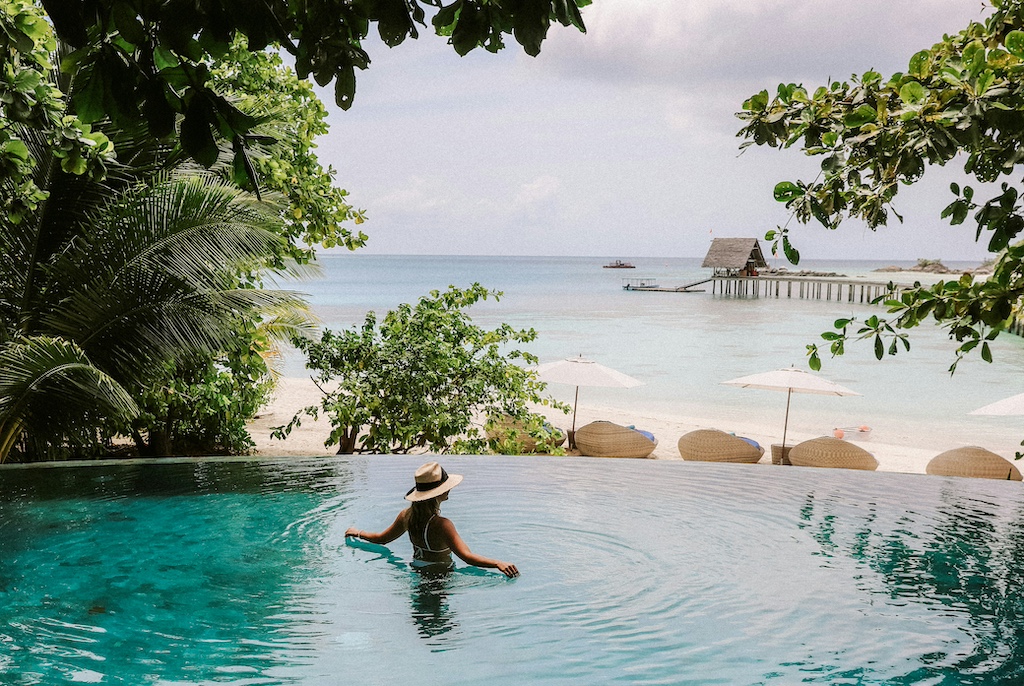
With its white sandy beaches, clear waters and towering old trees, Kuramathi has become especially popular for wedding photography. Its standout feature is the Sandbank, a long stretch of sand offering panoramic views at sunset. The resort is also evolving, with some of its oldest villas being replaced by new accommodation.
Its sister resort, Dhigali, lies further north in Raa Atoll. Reaching it involves returning to Malé by speedboat before boarding one of the seaplanes that criss-cross the country. The 45-minute flight is a highlight in itself. Dhigali is notable for its lush greenery, where visitors may spot grey herons and indigenous flying foxes gliding through the treetops.
Where to stay and dine
Both resorts offer a wide choice of accommodation. Kuramathi includes two-bedroom beach houses suited to families or groups of friends, with two-storey living spaces, sundecks, outdoor rain showers and lagoon or coral reef views.
Dhigali also offers beach villas with private pools and covered verandas overlooking the sea. A resident doctor is available at both resorts.
Kuramathi has 12 restaurants, nine of them à la carte. Local fishers supply Maldivian lobster and fresh tuna, while options range from Reef, a seafood restaurant on a jetty, to Kobe, where chefs prepare Japanese dishes in front of diners.
Dhigali is smaller and has fewer à la carte restaurants, but its premium all-inclusive package allows guests to dine across the resort. Capers serves breakfast, lunch and dinner buffets with local and international dishes, while Battuta, tucked away in “the Jungle”, offers a menu inspired by the journeys of Ibn Battuta.
What to do
There is far more to the Maldives than relaxation. Its 1,200 islands across 26 coral atolls are renowned for their beaches, but there is also plenty to keep active travellers occupied.
Kayaking, stand-up paddleboarding and diving are available at both resorts. Beneath the surface, coral gardens are home to fish, turtles, rays and small sharks, which are generally harmless when left undisturbed. Boat trips may also offer the chance to see dolphins, without attempts to make the animals “perform” for visitors.
Kuramathi offers films under the stars, spa treatments and an eco centre featuring a sperm whale skeleton and information about the island’s efforts to save water and reduce its carbon footprint. It also has a hydroponic garden where salad leaves and herbs are grown for the resort’s kitchens.
Dhigali’s Haali Bar is a popular sunset spot, often accompanied by music. Both islands also offer pleasant walks through tropical vegetation. Kuramathi’s Botanic Walk includes a 360-year-old banyan tree, while Dhigali’s “Jungle” preserves much of the island’s original landscape.
Sustainability and climate
As the world’s lowest-lying country, the Maldives faces a serious threat from climate change. In 2024, an intense ocean heatwave caused widespread coral bleaching, while rising sea levels and coastal erosion continue to affect the islands. The country also remains marked by the 2004 Indian Ocean tsunami, which struck almost every Maldivian island and flooded much of Malé.
Kuramathi and Dhigali have introduced measures designed to reduce their environmental impact, including widespread use of LED lighting, restrictions on plastics and closer monitoring of trees and vegetation.
Michel Muffat, Executive Chef at Kuramathi, says climate change is becoming increasingly important for tourism and fisheries. “With over 90% of resort infrastructure located near the coastline, operations must constantly adapt to rising sea levels, beach erosion and warmer ocean temperatures that affect marine life and coral.”
When to go and how to get there
The Maldives has a tropical climate, with warm air and sea temperatures throughout the year. The dry season, generally from November to April, offers the most reliable weather, although it is also the busiest and most expensive period. Travellers seeking lower prices may prefer the shoulder season in late October or early May.
Velana International Airport is the main gateway to the country. From there, nearby islands such as Kuramathi can be reached by speedboat, while more distant resorts are connected by seaplane.
More than five decades after Maniku took his first steps towards placing the Maldives on the tourism map, the country remains firmly established as a dream destination. Yet, despite the impressive facilities at Kuramathi and Dhigali, one of the most lasting impressions is the humility, warmth and friendliness of the people who work there.