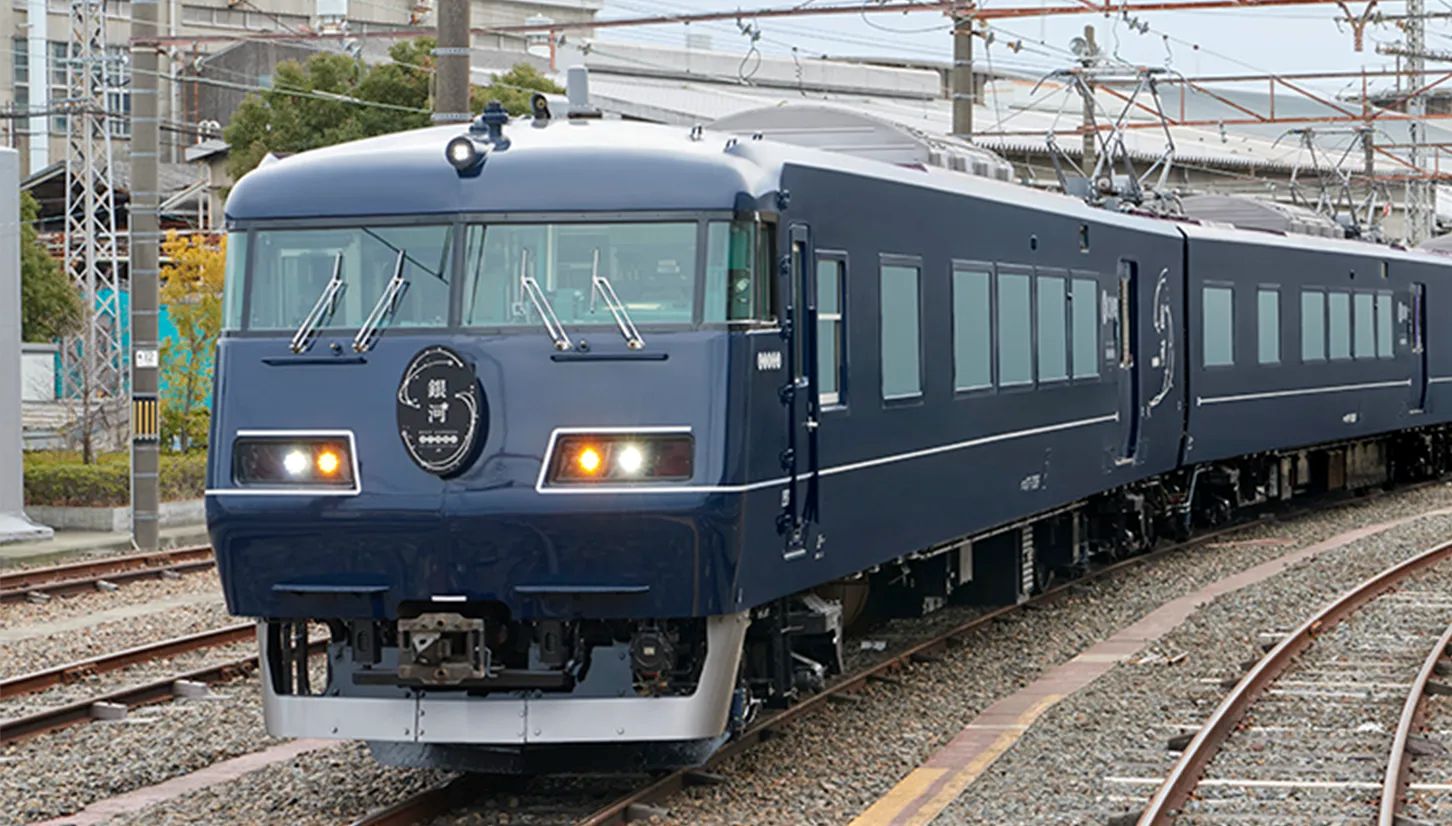



Japan’s seasonal West Express Ginga sleeper train has returned for its summer service, giving travellers another opportunity to explore the country’s Kii Peninsula by rail. Operated by JR West, the sightseeing train will run between Kyoto and the coastal city of Shingu from 3 July until 30 September 2026. The train offers both overnight and daytime services, combining transportation with sightseeing and regional experiences. Reserved seats start from ¥8,670 (€52), making it an affordable way to discover one of western Japan’s most scenic regions.

The West Express Ginga follows a route through Wakayama Prefecture, an area known for its mountains, dramatic coastline and cultural heritage. Shingu, the train’s final destination, is considered one of the gateways to the Kumano Kodo pilgrimage routes, a network of ancient trails recognised as a UNESCO World Heritage Site. The region is also home to historic temple towns, hot spring resorts and coastal landscapes that are less visited than Japan’s major cities. By connecting Kyoto with Shingu, the seasonal service encourages travellers to explore a different side of the country beyond the popular tourist hotspots.
The journey is designed to be more than simply travelling from one destination to another. Throughout the trip, onboard staff introduce passengers to the history and culture of the region, while guides share information about Wakayama’s geoparks and natural landscapes. Travellers can also learn about the area’s links to Japan’s space industry through onboard presentations about rockets. These activities turn the train into a moving sightseeing experience, giving passengers a better understanding of the places they pass before arriving at their destination.
Several extended station stops allow passengers to leave the train and experience local attractions along the route. At Wakayama Station, travellers can pick up the city’s famous Wakayama ramen from a nearby restaurant before continuing their journey. The train also stops at Kushimoto, where passengers can book a tuna cutlet burger meal or take a shuttle bus to the striking Hashigui-iwa rock formations, a group of towering rock pillars stretching into the sea. After arriving in Shingu, visitors can join a guided tour of Kumano Hayatama Taisha, one of the three grand shrines that form the sacred Kumano region. On the daytime return journey, the train also stops at Kainan Station, where passengers can sample regional specialities such as pike conger sushi and hayanarezushi, a traditional fermented fish dish.
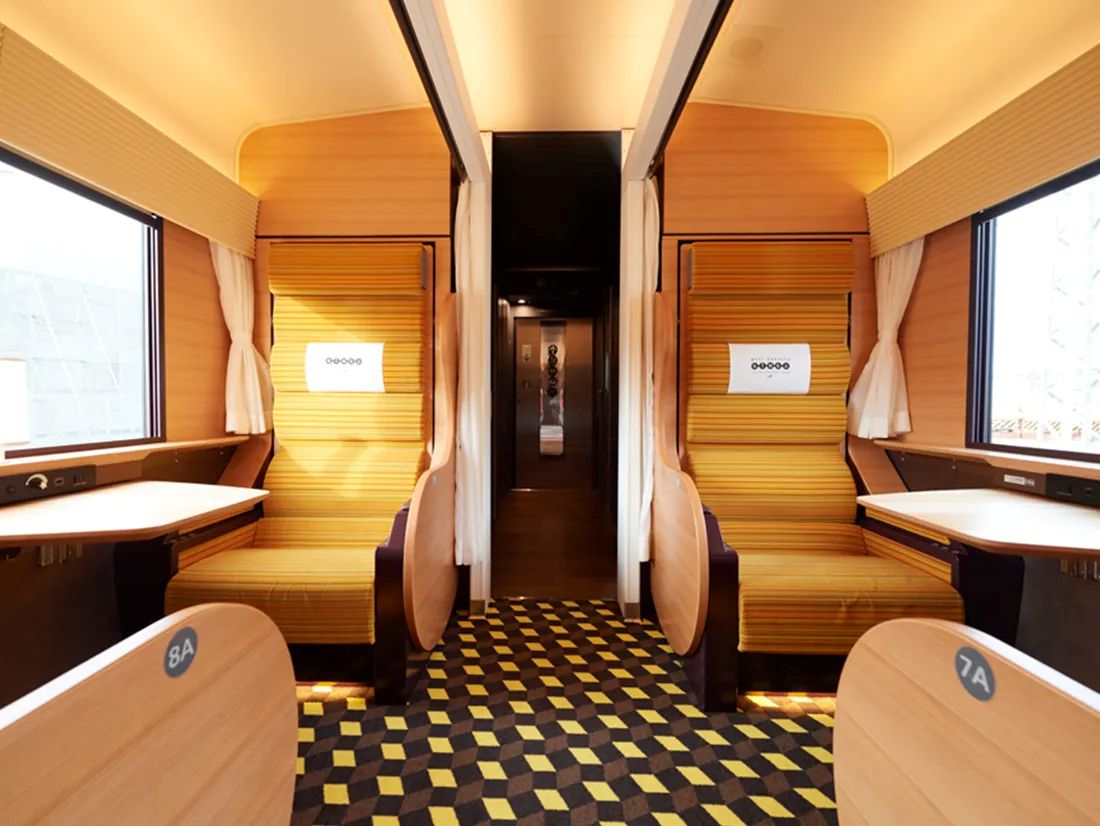
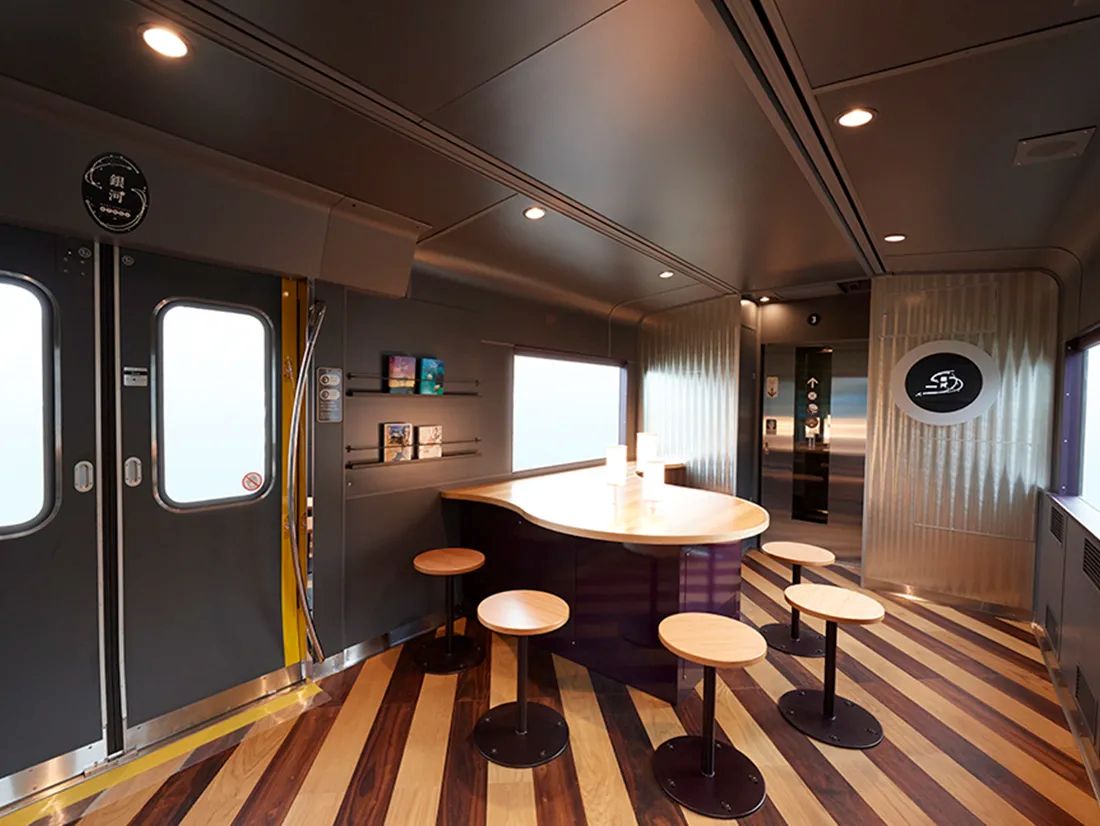
Passengers can choose from several seating and accommodation options depending on their budget and travel style. Standard tickets include reserved reclining seats, while other carriages feature compartments with two bunk beds for travellers who prefer to sleep during the journey. Families can reserve larger compartments with bench seating that converts into a mattress suitable for up to four people. Those looking for extra comfort can book a Green Car private compartment from ¥11,450 (€69), with some premium private rooms available from ¥15,380 (€92). These tickets include spacious seating that converts into a bed, while passengers travelling in the first carriage also have access to a private lounge. The train is also equipped with washrooms, accessible seating and toilets, communal seating areas and a women-only seating section with a dedicated changing room.
The summer service began on 3 July and will continue until 30 September 2026, completing 24 round trips during the season. Overnight trains from Kyoto and Osaka to Shingu operate on Mondays and Fridays, while daytime services from Shingu back to Osaka and Kyoto run on Wednesdays and Sundays. Tickets go on sale at 10:00 am one month before each departure and can be purchased through JR West’s e5489 online booking platform or at station ticket offices. With the first departure of the season already selling out, travellers planning to experience one of Japan’s most distinctive seasonal rail journeys are encouraged to book well in advance.