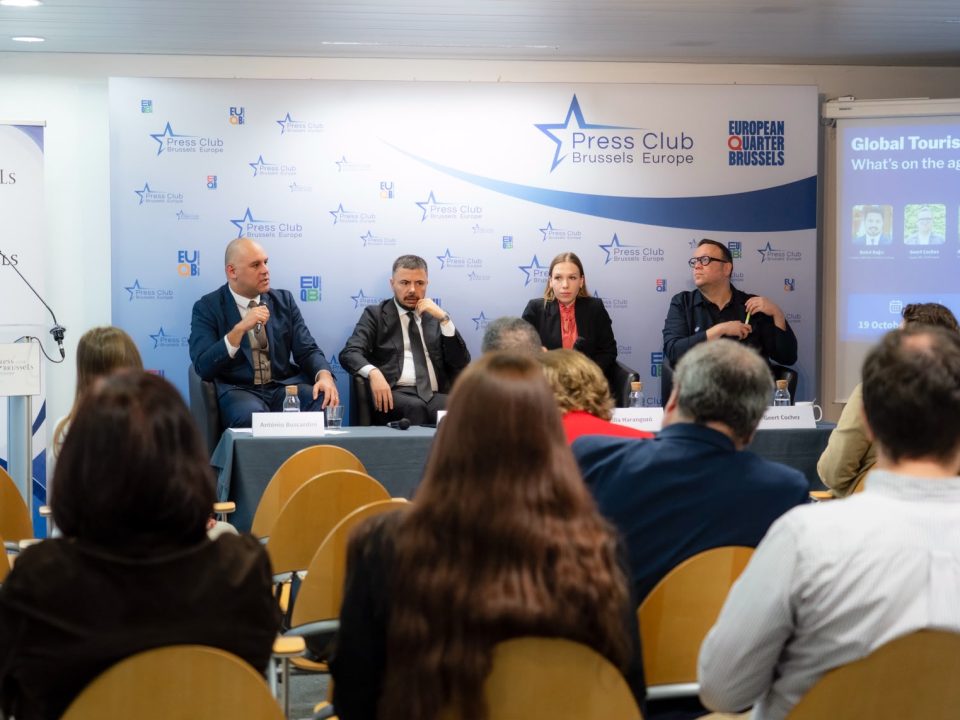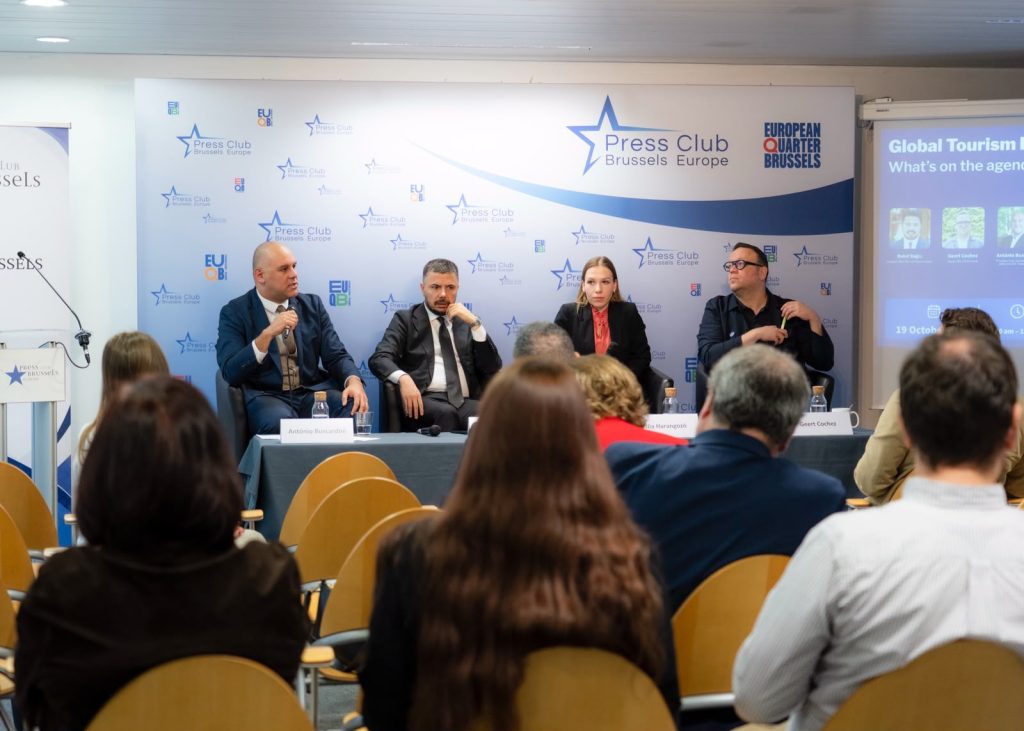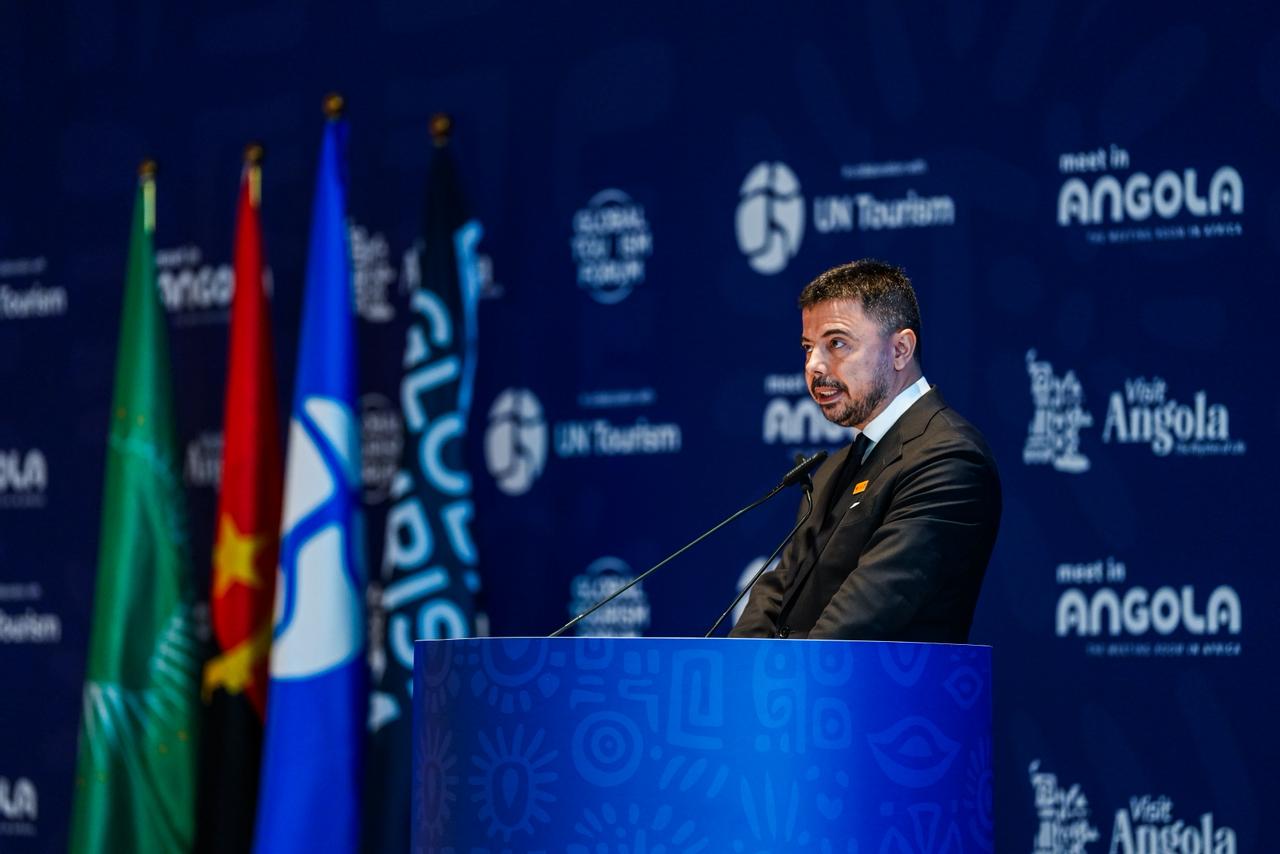


When more than 1,000 tourism leaders, investors, ministers and heads of state gathered in Luanda for the Global Tourism Forum Angola Investment Summit, the objective extended far beyond hosting another international conference. For Angola, the event represented an opportunity to reshape perceptions, showcase its tourism potential and present itself to the global travel industry as a destination open for investment, business and discovery.
Held from 17 to 19 June under the patronage of President João Lourenço, the summit brought together an influential international audience that included Mozambique’s President Daniel Chapo, UN Tourism Secretary-General Shaikha Al Nowais, tourism ministers, investors, hospitality executives and representatives of international organisations. Over three days, discussions focused on tourism development, aviation, infrastructure, connectivity and investment opportunities across Angola and the wider African continent.
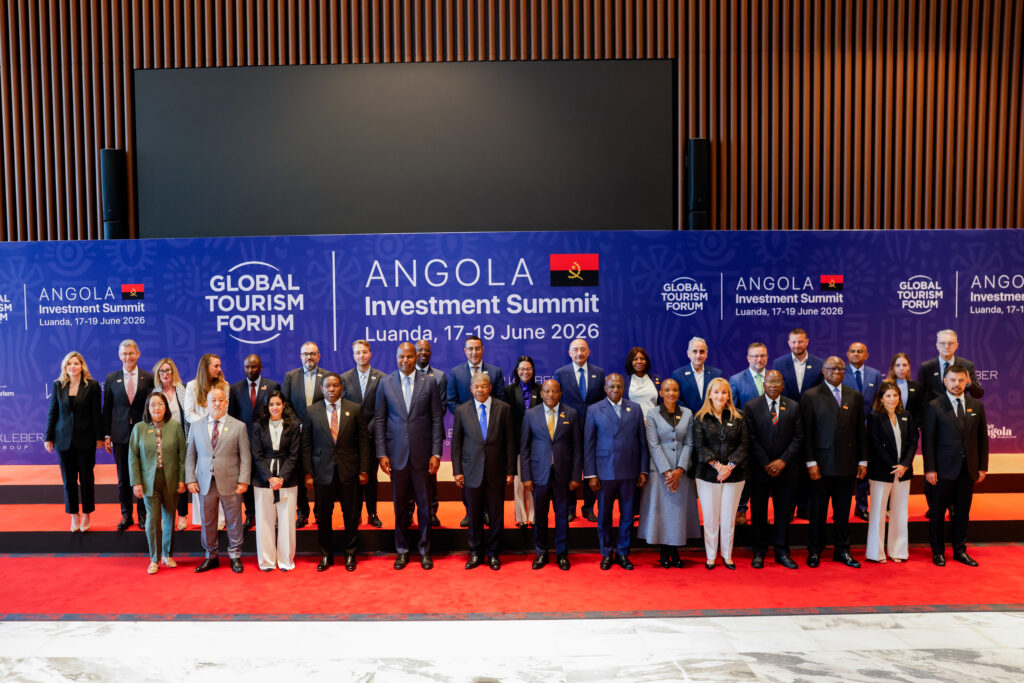
More than 1,000 participants explored investment opportunities
According to organisers, more than 1,000 participants attended the summit in Luanda, making it one of the largest tourism and investment gatherings ever held in Angola.
Delegates from Africa, Europe, Asia and the Middle East took part in ministerial dialogues, investment sessions, business meetings and networking events covering sectors ranging from tourism and hospitality to aviation, infrastructure, technology and destination development.
The scale of the gathering reflected Angola’s determination to increase its visibility among international investors and strengthen its position as one of Africa’s emerging tourism destinations.
Tourism positioned as a pillar of economic diversification
In his opening address, President João Lourenço highlighted the reforms undertaken by Angola to improve the investment climate and support economic diversification. He stressed the government’s commitment to simplifying administrative procedures, attracting foreign investment and creating favourable conditions for business development.
For Angola’s leadership, tourism is increasingly viewed as a strategic sector capable of generating economic growth, creating jobs and supporting development across the country. The summit provided a platform to communicate that vision directly to international investors and tourism stakeholders.
Tourism Minister Márcio de Jesus Lopes Daniel echoed that message, describing tourism as a key pillar of Angola’s diversification strategy and an important driver of future growth. Throughout the event, Angolan authorities emphasised the need to strengthen tourism infrastructure, improve connectivity and promote the country internationally as both a tourism destination and an investment opportunity.
The discussions also highlighted major infrastructure projects, including the new Dr António Agostinho Neto International Airport and the Lobito Corridor, both viewed as strategic assets for improving regional connectivity and facilitating future economic development.
Luanda welcomes the leading voices in global tourism
The summit’s international profile was reinforced by the participation of some of the most influential figures in tourism, government and investment. Alongside President João Lourenço and Mozambique’s President Daniel Chapo, delegates included UN Tourism Secretary-General Shaikha Al Nowais, tourism ministers, business leaders, investors and representatives of international organisations from around the world.
Their presence reflected growing international interest in Angola’s tourism ambitions and demonstrated the country’s increasing visibility on the global tourism stage.
Beyond the formal sessions, the summit provided opportunities for networking, partnership building and investment discussions, helping connect public institutions, private sector stakeholders and international organisations around a shared vision for tourism development.
Angola presents a new image to the world
The summit offered Angola a rare opportunity to present itself directly to international tourism leaders, investors and policymakers. For many participants, it was a first encounter with the country’s tourism ambitions, infrastructure projects and investment opportunities.
Throughout the event, discussions moved beyond Angola’s traditional image as an oil-producing nation and highlighted its growing tourism potential, rich cultural heritage, natural attractions and strategic location on Africa’s Atlantic coast.
The presence of heads of state, international organisations, investors and tourism executives helped reinforce Angola’s message that it is open for business and ready to play a larger role in the global tourism economy.
A significant role was also played by KLEBER GROUP, which supported the international promotion and organisation of the summit. Working alongside Angola’s Ministry of Tourism and international partners, the company contributed to bringing global attention to the country’s tourism and investment opportunities.
As delegates departed Luanda, the summit’s most significant achievement may not have been measured in agreements signed or announcements made. Instead, it was the opportunity to change perceptions.
For three days, Angola was not discussed primarily through the lens of energy, commodities or geopolitics. It was discussed as a tourism destination, an investment opportunity and a country with ambitions to become a more prominent player in the global travel industry.
Whether that visibility translates into new partnerships, investment and visitor growth remains to be seen. What is already clear, however, is that the Global Tourism Forum succeeded in placing Angola firmly on the radar of the international tourism community.
Whether that visibility translates into new investment and long-term growth remains to be seen. What is already clear, however, is that the Global Tourism Forum succeeded in placing Angola firmly on the radar of the international travel and tourism industry.