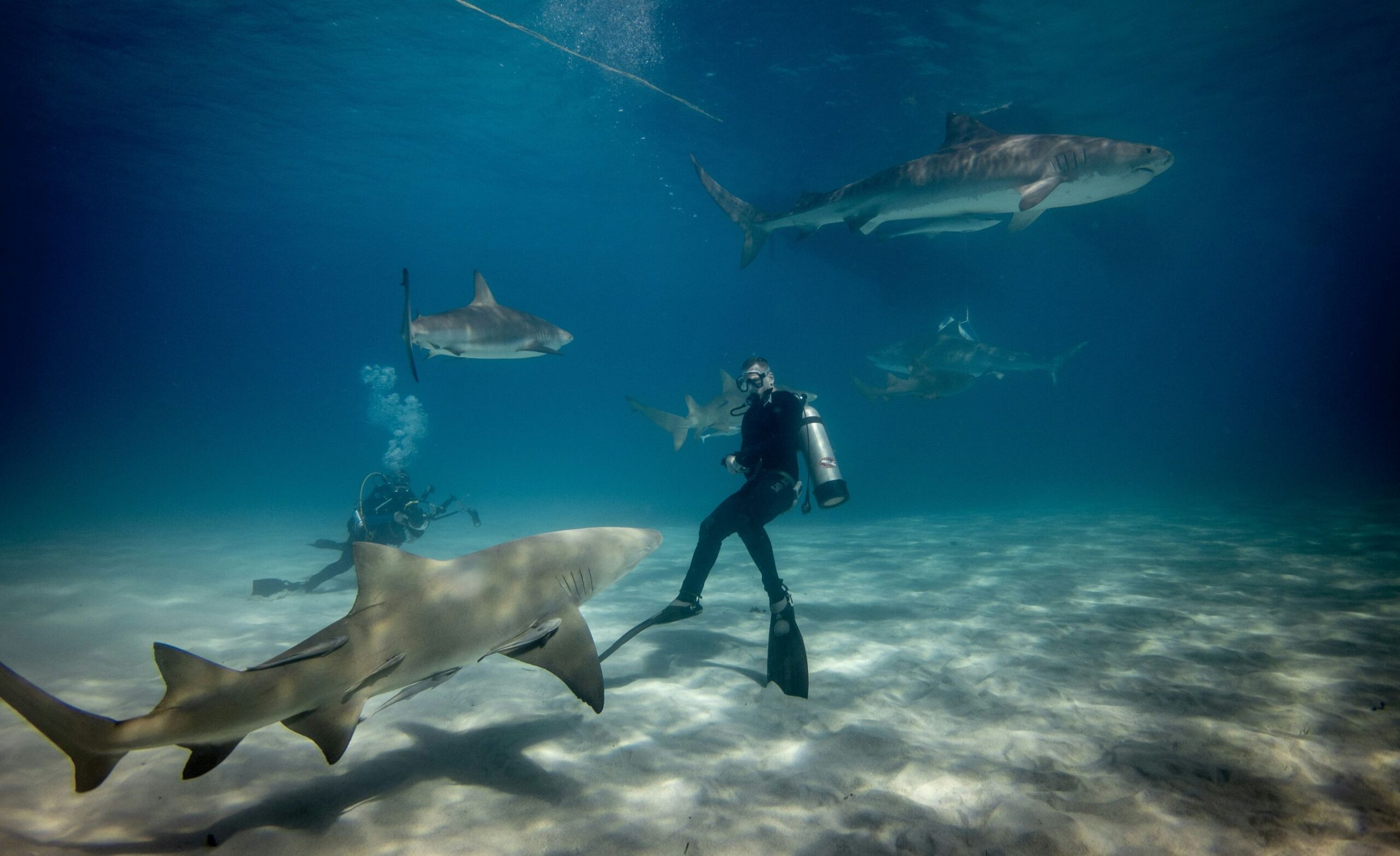



In the latest example of destinations asking visitors to participate in sustainable tourism, Okinawa in Japan has launched a citizen-science programme inviting divers to gather data to protect the region’s coral reefs and the sharks and rays that live there.
The Professional Association of Diving Instructors (PADI) recognises sharks and rays as “key indicator species” that speak to coral reef health and wider biodiversity. By inviting guests and diving enthusiasts in the region to monitor the species’ numbers in a census, PADI is contributing to a photo identification database that will help in fighting wildlife decline.
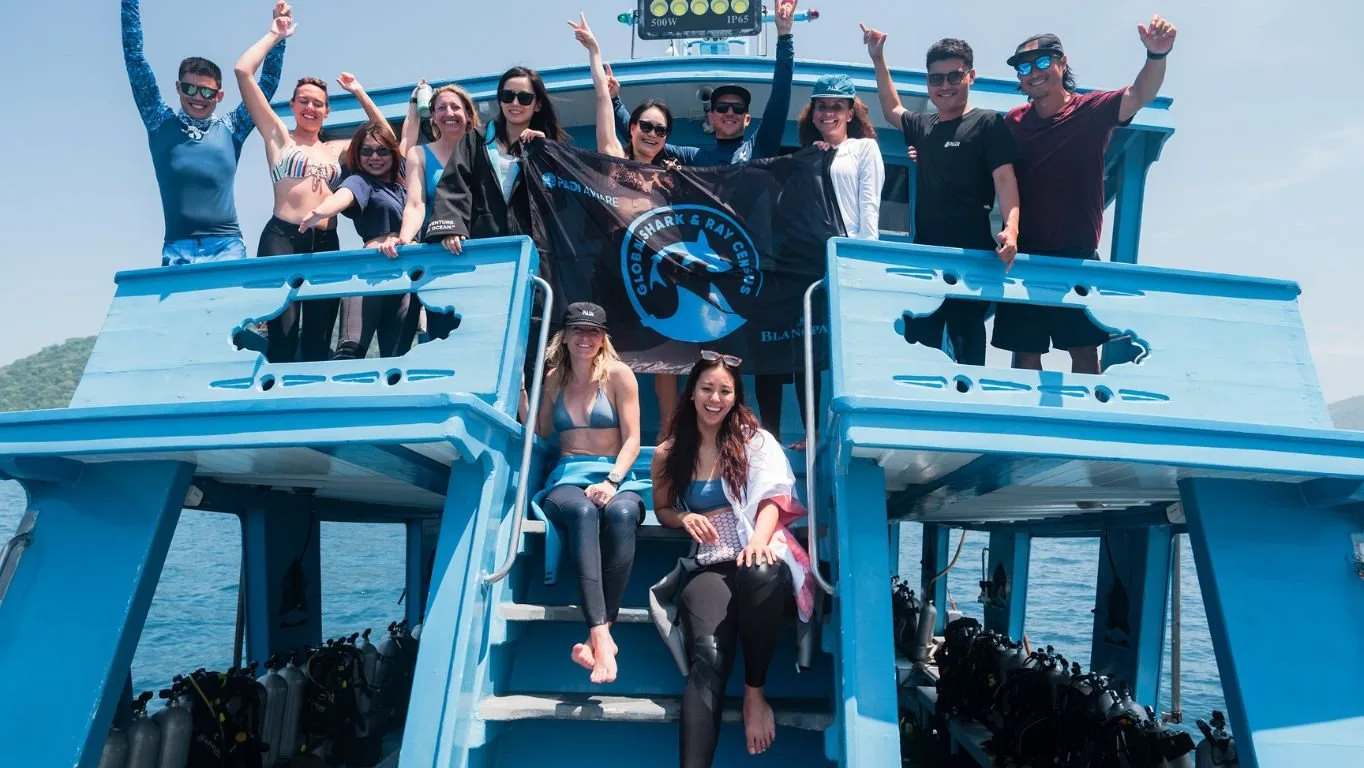
A two-day certification process comes first, training every diver to collect and upload photographs of the creatures they see, along with dive location, date and time. This all goes onto an international database on the free-to-use Padi Aware app, to be collated by James Cook University students in Queensland, Australia, and made available to NGOs worldwide.
Suitable for already-certified divers (not beginners), the PADI Shark & Ray Conservation Specialty Course is offered at several of Japan’s diving locations and costs from €162. The course entails a short e-learning module about sharks and rays, why they are endangered, and how the project is fighting those threats, as well as two mandatory 45-minute training dives.
For more than a decade, the diver community has built the world's largest underwater citizen science database, logging over 2.5 million pieces of debris across 120 countries.
— PADI (@PADI) June 3, 2026
That data has reached the UN, CITES, and governments, helping shape ocean policy.
Sharks and rays have… pic.twitter.com/7bKM5PHyWx
It’s not the first time the local population has worked with unexpected partners to combat environmental challenges. One of the issues facing Okinawa’s reefs is the coral bleaching that occurs during extreme heat. In 1998, in Onna Village in Manza Bay, 90% of the corals were destroyed by bleaching. Local fishers and divers worked hand-in-hand to rescue surviving corals and plant a coral nursery, with the ambition of becoming the most coral-friendly community in the world.
It worked to bring sharks back to underwater limestone formations. But another bleaching during a failed typhoon season in 2024 has again disrupted the habitat. As well as spotting and recording the species that signpost coral health, diving volunteers can track the system’s regrowth in real time.
Reefs in Okinawa have been part of the region’s attractions for years, providing a basis for the marine tourism that is so economically vital. Now, thanks to PADI’s new initiative, instead of passive visitation, guests drawn by those marine habitats can actively participate in protecting the ecosystem, forming a circular economy of attention that aims to keep fish populations, fisheries, and leisure stakeholders healthy for years to come.