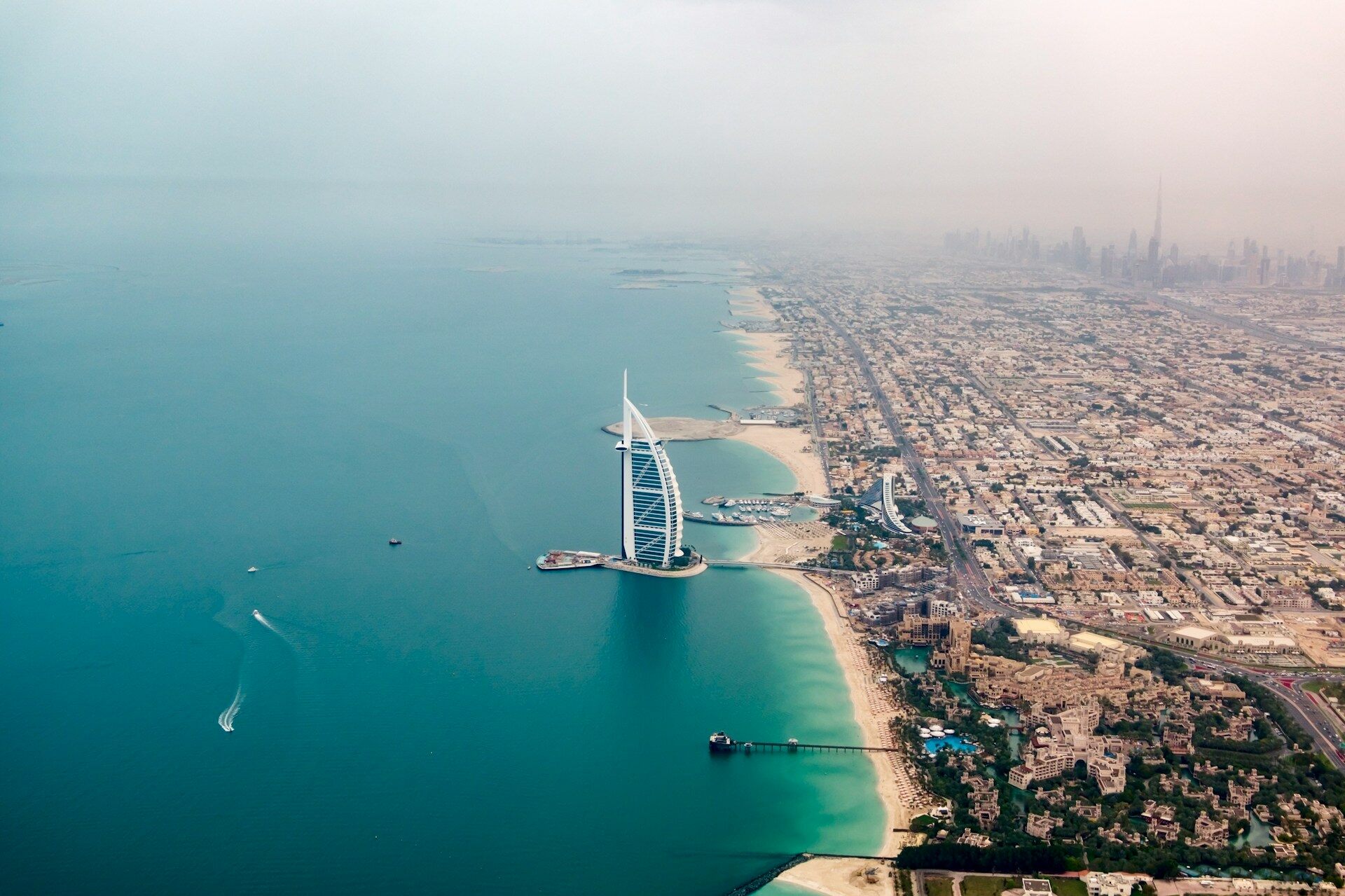



The Khor Al Mamzar beachfront has recently opened at Al Mamzar Corniche in Dubai as part of a coastal redevelopment programme led by Dubai Municipality. The site is now open to residents, visitors, and international tourists and forms part of a long-term strategy to expand and modernize public waterfront spaces across the emirate. It also introduces a continuous-access women-only beach concept, which is being described by local authorities as a global first.
The women-only beach operates with strict access rules aimed at ensuring privacy and comfort for visitors. Entry is limited to women and young children, while boys under the age of six are permitted when accompanied by a parent. Men are not allowed at any time, and the site is fully enclosed with fencing to limit external visibility. A strict no-photography policy is also enforced across the area. All staff, including lifeguards and security personnel, are female, reinforcing a controlled and private environment throughout the beach.
Beyond its access policy, the destination has been developed as a multi-purpose coastal space offering a wide range of leisure and sports facilities. Visitors can use extended walking, running, and cycling tracks that connect different parts of the coastline. Sports infrastructure includes padel courts, volleyball areas, and outdoor gym equipment available for public use. A floating walkway links the Corniche with the lagoon, creating an additional route along the waterfront. The area also includes children’s play zones and multiple food and beverage outlets, supporting longer visits and family-friendly use.
Safety and infrastructure have been integrated into the design to support both daytime and nighttime use. Lifeguard towers are positioned along swimming areas, supported by emergency call points placed throughout the beach. Lighting systems enable extended evening access and nighttime use, while smart monitoring technologies are also used to support security without reducing the open beach experience. These elements are designed to balance accessibility with structured safety management.
The project forms part of a wider coastal investment programme valued at approximately AED 3 billion (around €760 million), aligned with the Dubai 2040 Urban Master Plan. The plan focuses on increasing green and blue public spaces and improving the quality of life across Dubai. The development also reflects broader urban priorities associated with Mohammed bin Rashid Al Maktoum, with an emphasis on liveability and tourism growth. Once fully completed, the wider Al Mamzar Beaches project is expected to increase annual visitor capacity along the coastline.
The introduction of a women-only beach also connects to a wider pattern of women-focused public services across the emirate. One example is the “pink taxi” service in Dubai, where vehicles are driven by women and primarily serve female passengers and families. These taxis are designed to provide a more comfortable transport option for women while also creating employment opportunities in the transport sector.
Another example can be found in the Dubai Metro system, which includes designated women-and-children carriages. These sections are intended to improve comfort during busy travel times and are mainly used as an optional space rather than a strict separation. Similar women-focused transport arrangements exist in other countries, including women-only train carriages in Japan and India, as well as dedicated sections in metro systems in cities such as Mexico City and São Paulo.
The women-only beach in the United Arab Emirates, therefore, sits within a broader framework of gender-specific public services that already exist in transport and urban infrastructure. Rather than being an isolated concept, it forms part of a wider model that combines privacy, accessibility, and specialised public services within urban life.