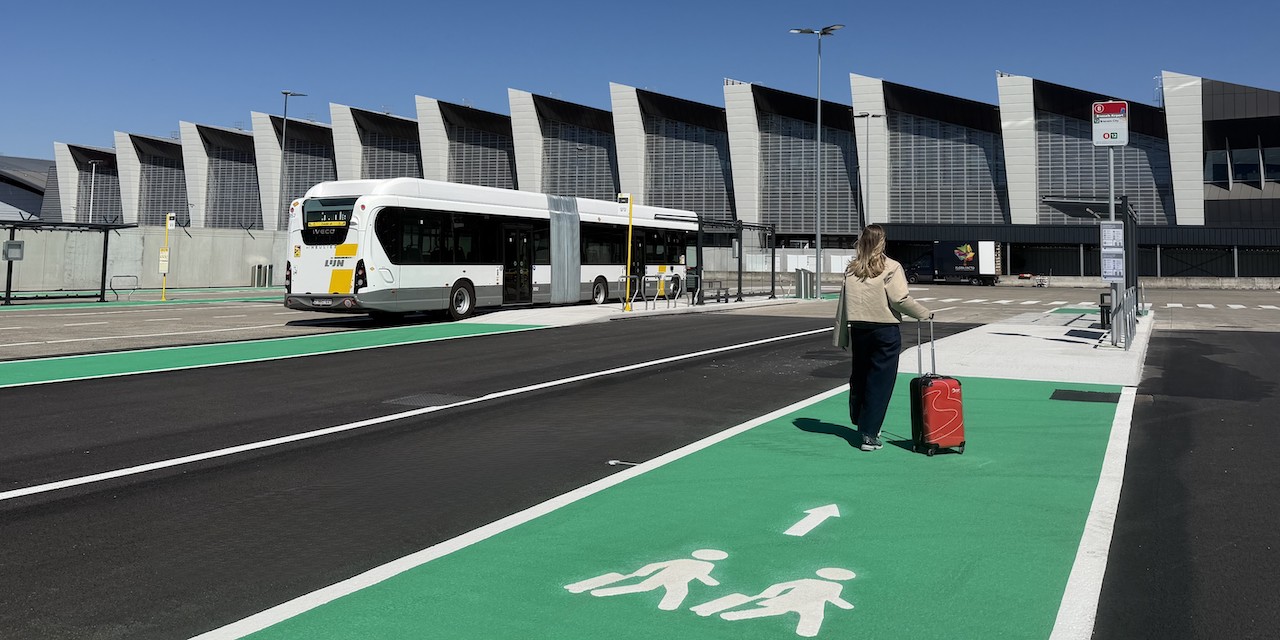



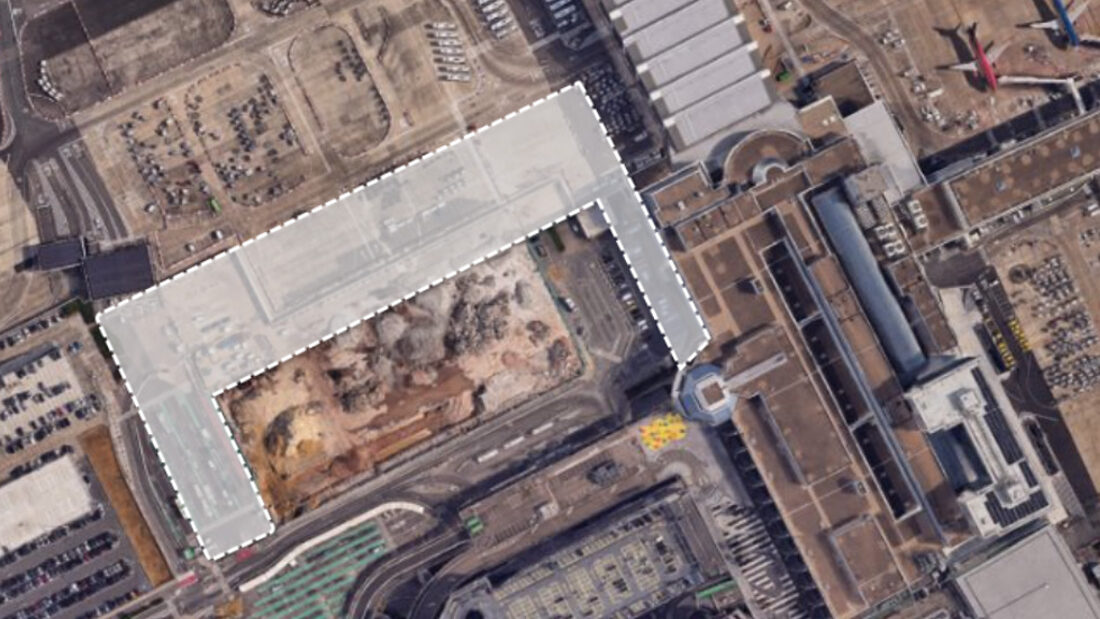
Brussels Airport will open a new temporary bus station on 7 May 2026, as part of ongoing works linked to its large-scale Hub 3.0 project. The relocation is needed to clear space for a future intermodal hub that will bring together different types of transport. For the next four years, all buses will use a new station located about 100 metres from the departure and arrival hall.
The new bus station will be located at level 0 and will include five platforms for all bus traffic. This includes public transport services operated by De Lijn and STIB/MIVB, as well as long-distance coach companies such as Flibco, Flixbus and Airport Express. A covered walkway will connect the station to the terminal, making it easier for passengers to move between the two. Despite the relocation, bus schedules will remain unchanged, meaning travellers should not experience delays due to the move.
The station will also include luggage lockers, giving passengers the option to safely store their bags before or after a flight. This can be useful for those who want to visit the city without carrying their luggage. Around 600 buses travel to and from the airport every day, showing how important bus transport is for both passengers and airport staff. In total, about 1.3 million people use bus services at the airport each year, making it a key part of the overall transport system.
The relocation is part of the wider Hub 3.0 project, a major investment programme aimed at improving the airport’s infrastructure. The future intermodal hub will connect trains, buses, taxis and a planned tram line in one central location. This will make it easier for travellers to switch between different modes of transport. The project also includes a renovated central bus station, improved access to the underground train station and a redesigned taxi area.
Other works linked to Hub 3.0 are already underway. In September 2025, construction began on a new drop-off zone located behind the Sheraton hotel, at the same level as the departure hall. This new area is designed to reduce congestion and improve traffic flow, with a direct connection from the A201 motorway. It will also include space for passengers with reduced mobility, as well as seating and greenery to create a more comfortable environment.
The airport is investing heavily in these upgrades as it prepares for future growth. In 2025, Brussels Airport handled 24.4 million passengers, a 3.3% increase compared to the previous year. Growth was affected by several national strikes, which led to thousands of cancelled flights and disrupted travel for many passengers. Despite this, demand for air travel remained strong, and the airport continues to expand its network with new airlines and destinations.
Looking ahead, the airport is also planning to improve public transport connections further. A new tram line is expected to link the airport with Brussels by 2031, making travel easier for both passengers and employees. The project will include new stops, cycling infrastructure and better links to existing train stations. Together with the intermodal hub, these developments aim to create a more connected and sustainable transport system.
With the temporary bus station opening in May, Brussels Airport is taking another step towards this long-term transformation. While some changes may require passengers to adjust their routes slightly, the overall goal is to improve accessibility and comfort in the future. By continuing to invest in infrastructure and transport links, the airport is positioning itself as a key mobility hub in the region.