

Qantas Airways is introducing a new in-flight Wellbeing Zone on its upcoming Airbus A350-1000ULR aircraft as part of its Project Sunrise programme. Qantas Airways is developing this space to improve comfort on ultra-long-haul flights that can last more than 20 hours. The Wellbeing Zone will first appear on flights expected to start in early 2027 on routes such as Sydney to London and Sydney to New York. The main idea is to give passengers a place where they can move, stretch and stay hydrated during very long journeys.
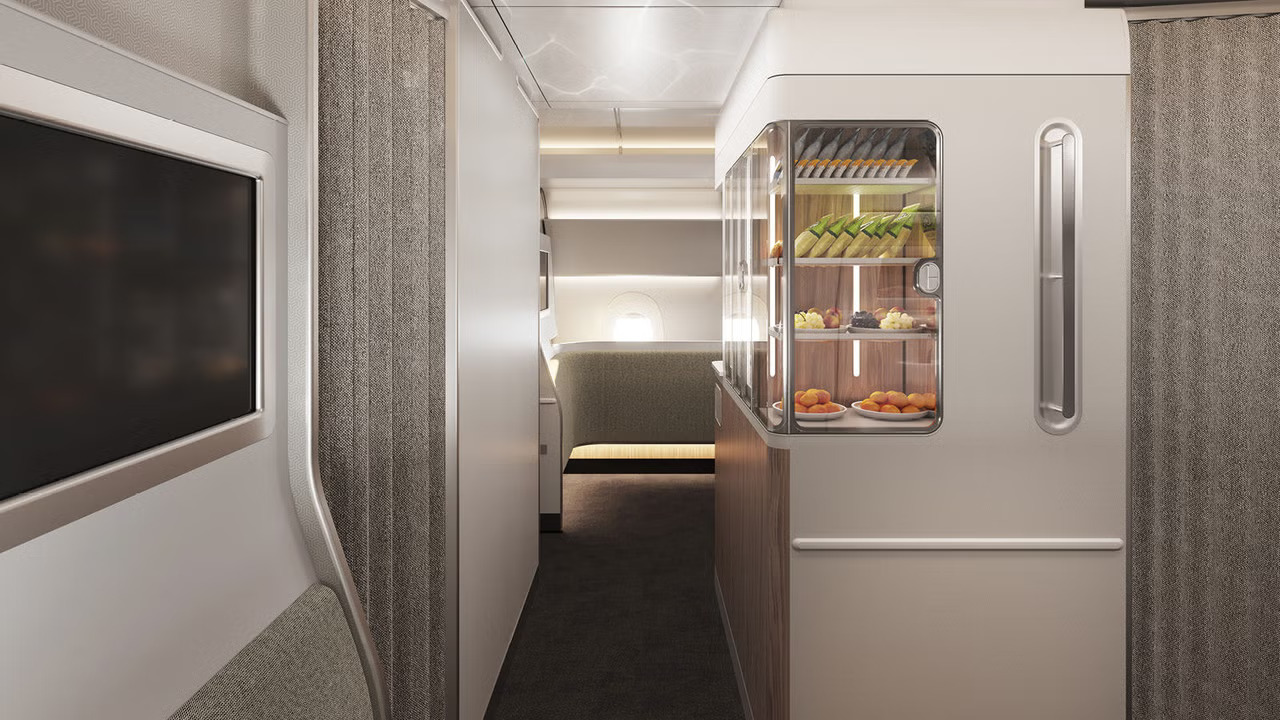
The Wellbeing Zone will be located between the Premium Economy and Economy cabins on the aircraft. It is designed as a “third space” in the cabin, meaning it is separate from standard seating areas and meant for active use rather than sitting. The space will be available to all passengers, regardless of ticket class, and will not require an extra fee. Soft lighting and acoustic design materials are used to make the area feel different from the rest of the cabin and more relaxing.
Inside the zone, passengers will find features designed to support movement and light exercise during the flight. There will be sculpted handrails that help passengers stretch safely while in the air. Large screens will display guided movement programmes led by digital instructors, making it easy for passengers to follow simple exercises. A self-service refreshment area will also be available, offering snacks and hydration drinks to help passengers stay comfortable and energised.
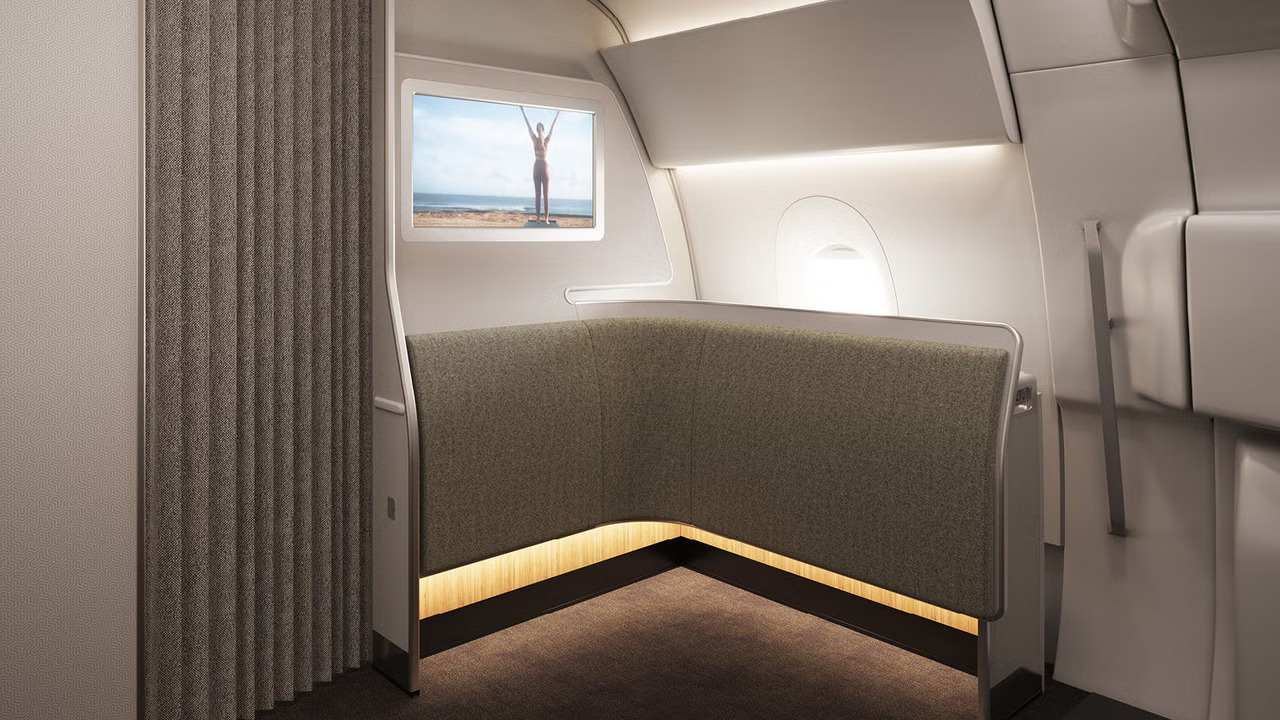
The design of the Wellbeing Zone is based on research into how the human body responds to long periods of sitting. The project was developed in partnership with the University of Sydney, specifically its Charles Perkins Centre. Studies showed that regular movement during long flights can help reduce jet lag and lower health risks such as deep vein thrombosis. The airline uses these findings to support the idea that moving during a flight is not just optional but important for health and wellbeing.
Beyond the Wellbeing Zone, the aircraft will also include updates across different cabin classes. First class will feature enclosed suites with separate seating and sleeping areas, as well as added storage and privacy elements. Business class will include seats with sliding doors and lie-flat beds measuring around two metres in length. In Premium Economy, new seats will offer a larger recline and more ergonomic support, while Economy passengers will also see small adjustments such as updated seat design and slightly more space compared to previous configurations.
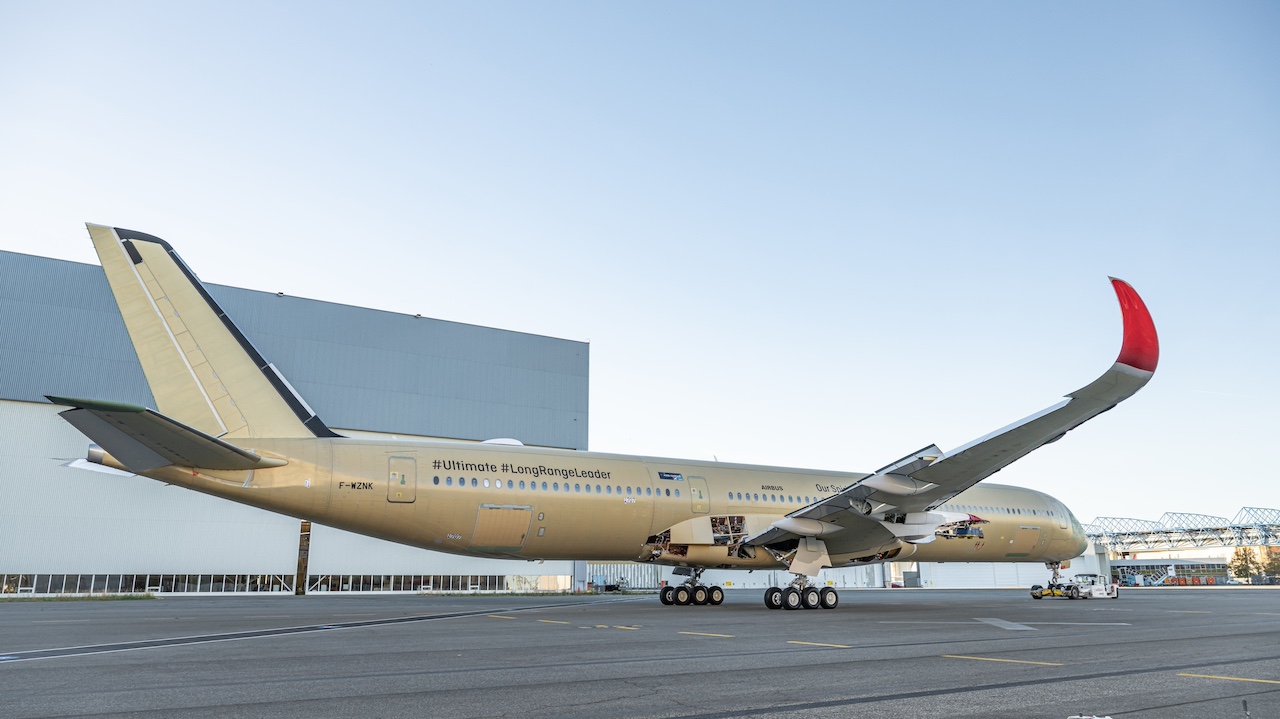
The Wellbeing Zone will be installed on the new Airbus A350-1000ULR aircraft, which are designed specifically for ultra-long-haul travel. These planes will operate some of the longest commercial flights in the world, including routes between Sydney, London and New York. The aircraft has been specially configured with reduced passenger numbers to allow more space and comfort onboard. Testing of the aircraft is expected before entry into service in 2026, ahead of the planned 2027 launch. The overall Project Sunrise programme aims to make very long flights more manageable by focusing on comfort, movement and passenger health throughout the journey.