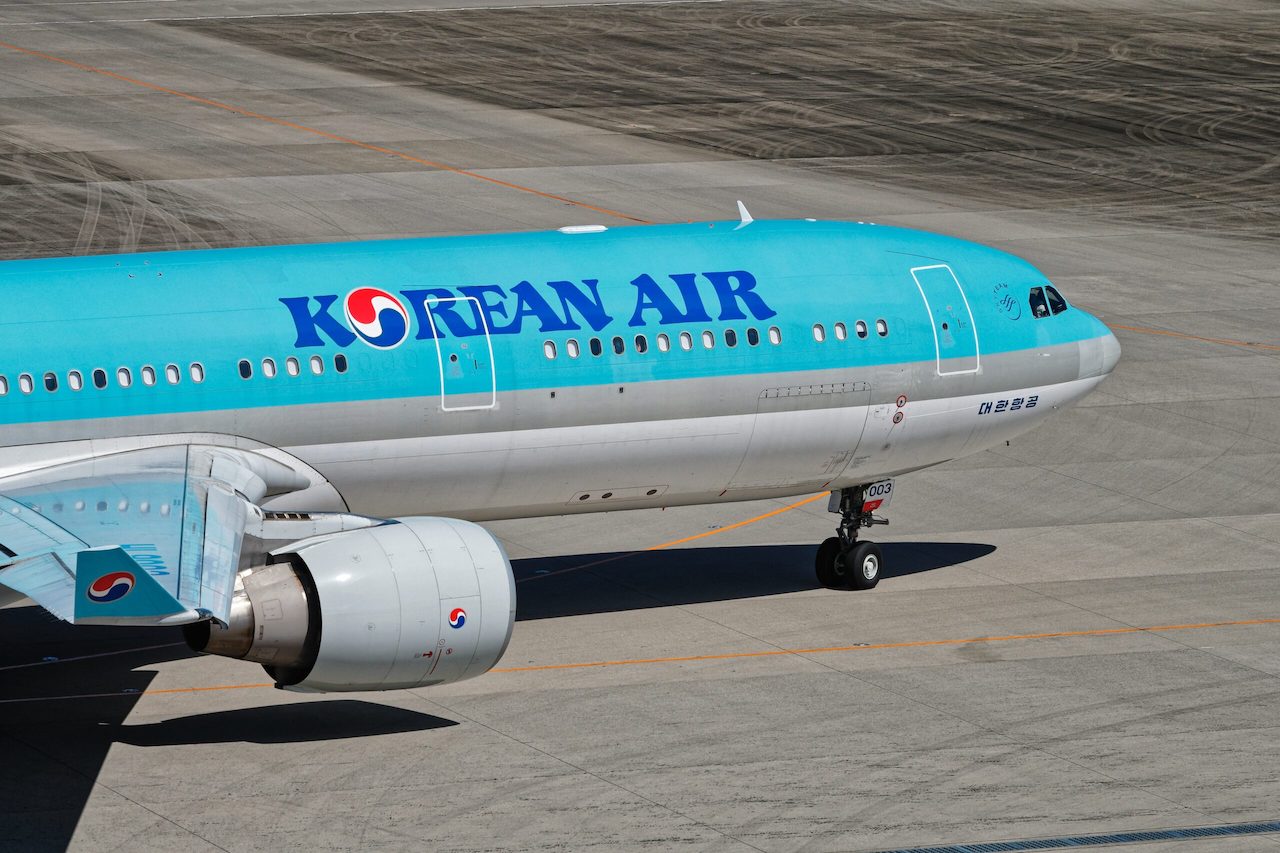



On Tuesday, 31 March 2026, Korean Air announced it would be entering emergency management mode as of April. The decision was prompted by the rising fuel costs due to the U.S.-Israel war on Iran.
The decision to activate the emergency management mode was shared with Korean Air employees in an internal memo reviewed by news agency Reuters. According to a source, phased response measures will be implemented based on oil price levels, and company-wide cost efficiency will be increased.
Middle East war completes first month after US and Israeli attacks on Iran trigger conflict, close Strait of Hormuz and disrupt global energy markets
— Anadolu English (@anadoluagency) March 31, 2026
◼️ Closure of chokepoint halts 20% of global oil flows and disrupts maritime trade
◼️ Jet fuel prices nearly double as Brent… pic.twitter.com/uimc8EpwkT
“This measure is not merely a one-time cost reduction but an opportunity to strengthen our structural foundation and lay the groundwork for stable future growth”, said Korean Air Vice Chairman Woo Kee-hong.
Korean Air’s decision was directly driven by the stark rise in fuel costs due to the U.S.-Israel war on Iran. With fuel representing approximately a quarter of an airline’s costs, any price changes are likely to have consequences, and the situation in March 2026 has been particularly impactful. The airline’s annual business targets for 2026 are expected to be heavily impacted due to the increase in jet fuel costs: while the carrier had projected prices of around $2.20 per gallon, it expects those to rise to $4.50 in April.
“The abnormal high oil price situation continues due to heightened tensions in the Middle East region. We will immediately implement phased response measures according to oil price levels and transition to an emergency management system starting in April,” stated Woo Kee-hong.
While internal measures should be able to compensate for part of the price increase, Korean Air is also planning to raise fuel surcharges for flights departing from South Korea in April 2026. Depending on the route, fares could rise as much as 250% for flights from Incheon to London or Paris, for example.
South Korean airline industry
Korean Air is not the only South Korean airline to be suffering from the rising fuel costs. T’way Air and Asiana Airlines, too, have reportedly implemented an emergency management mode over the course of March 2026. Meanwhile, according to The Korea Times, other Korean carriers such as Jin Air and Air Busan are planning on reducing their flight schedule. As the country relies mainly on jet fuel from the Gulf, South Korea’s airline industry has proven especially vulnerable since the start of the war.