


Arda Biomaterials, a start-up based in London, has developed a method to transform beer waste into a plastic-free leather alternative. According to the company, the process uses just 3% of the carbon footprint of conventional leather.
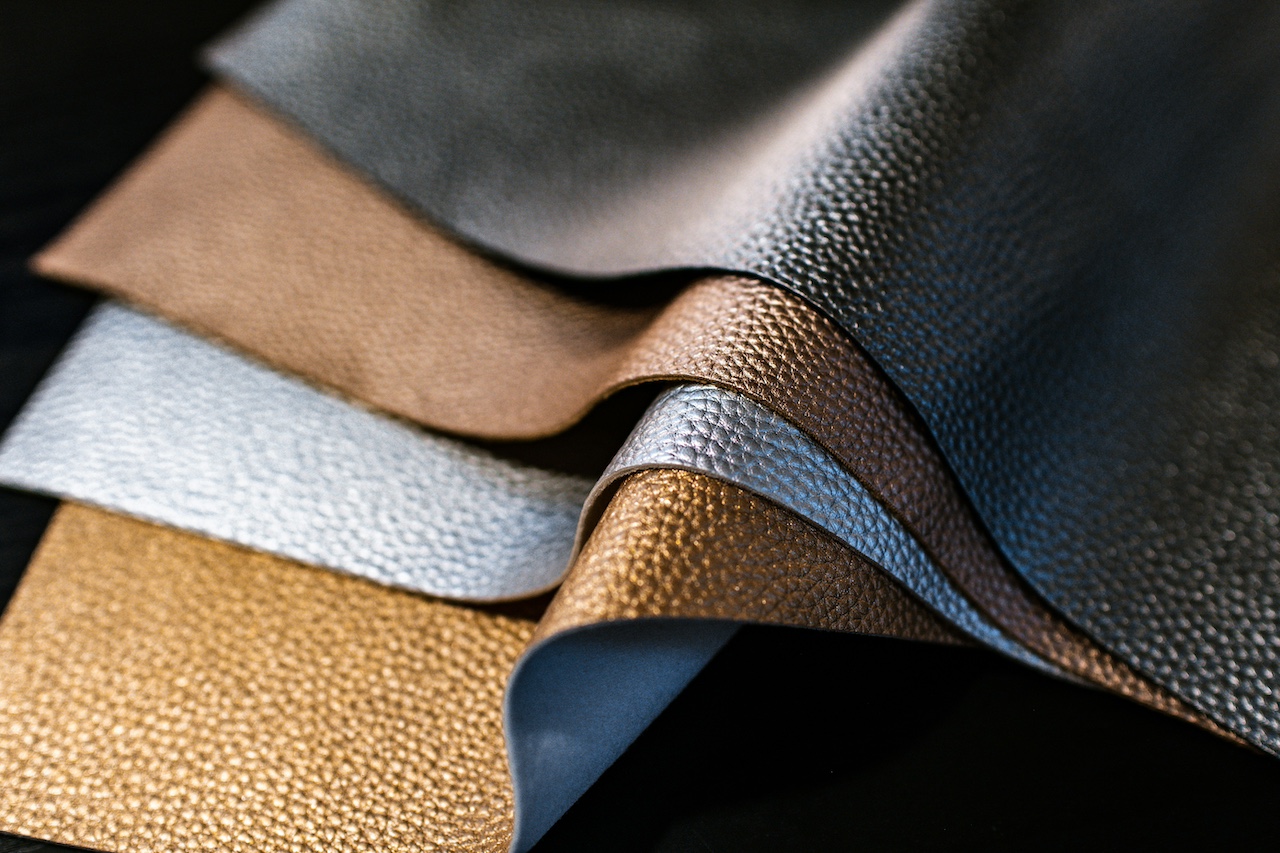
What if the waste material produced when brewing beer could actually be used to make something else completely, something that could replace animal leather or its not-so-eco-friendly plastic alternatives? New Grain, a faux leather made by the British start-up Arda, does just that.
The company has developed a method that transforms protein structures of spent grain from the beer and whisky industry into animal-like proteins, which can then be used to make a plastic-free faux leather. And while other alternatives, such as cellulose or mycelium-based leathers, have been available for some time, contrary to many, Arda doesn’t use any plastic binders or coatings to produce the material.
“We are one of extremely few solutions that have remained completely plastic-free. The interim class of materials [made to replace leather and synthetics] still ended up having to rely on adding different petrochemical or plastic binders or top coats to perform, and that’s kind of become the standard. We really don’t see that as a long-term solution, and neither do customers in textiles and fashion”, Arda commercial lead Camelia Hamdi-Cherif said in an interview with Dezeen.
What’s next?
Based in the London neighbourhood of Bermondsey, the idea to combine the brewing and leather industry wasn’t a total coincidence. Historically, it was well-known as a leather tanning district, and nowadays, many breweries are located in the region. This gave Arda-founders Edward Mitchell and Brett Cotten the idea to experiment with the waste material, commonly used as animal feed.
During the process, plant proteins are unravelled into long, neat protein chains before being linked to each other to create a collagen-like substance. The procedure is not unlike the one used to create plant-based meat alternatives in the food industry. Once pigments have been added to obtain the right colour, the liquid is poured into a textured container in order to create the right pattern for the faux leather.
As manufacturing New Grain uses waste materials, as well as existing equipment from the brewing and the polyurethane industry, Arda believes it could easily be made cost-competitive with animal and faux leather within three to four years.
The beer-based faux leather is currently in the demonstration phase. According to Arda, New Grain has a carbon footprint 97% lower than cow leather and 82% lower than synthetic leather. In theory, the material should be biodegradable once put on the market. The start-up has already established partnerships with beer company AB InBev and whisky company Diageo, ahead of a limited commercial launch somewhere over the course of 2026.