


West Flanders’ wine industry is experiencing unprecedented growth, driven by warmer temperatures, increasing professionalisation, and rising consumer and investor interest. Once considered too cold and rainy for reliable grape cultivation, the region now produces high-quality wines that compete with established European regions. The province has seen the number of winegrowers more than double in the past five years, contributing to Belgium’s overall vineyard expansion from 150 to nearly 600 hectares over the past decade.
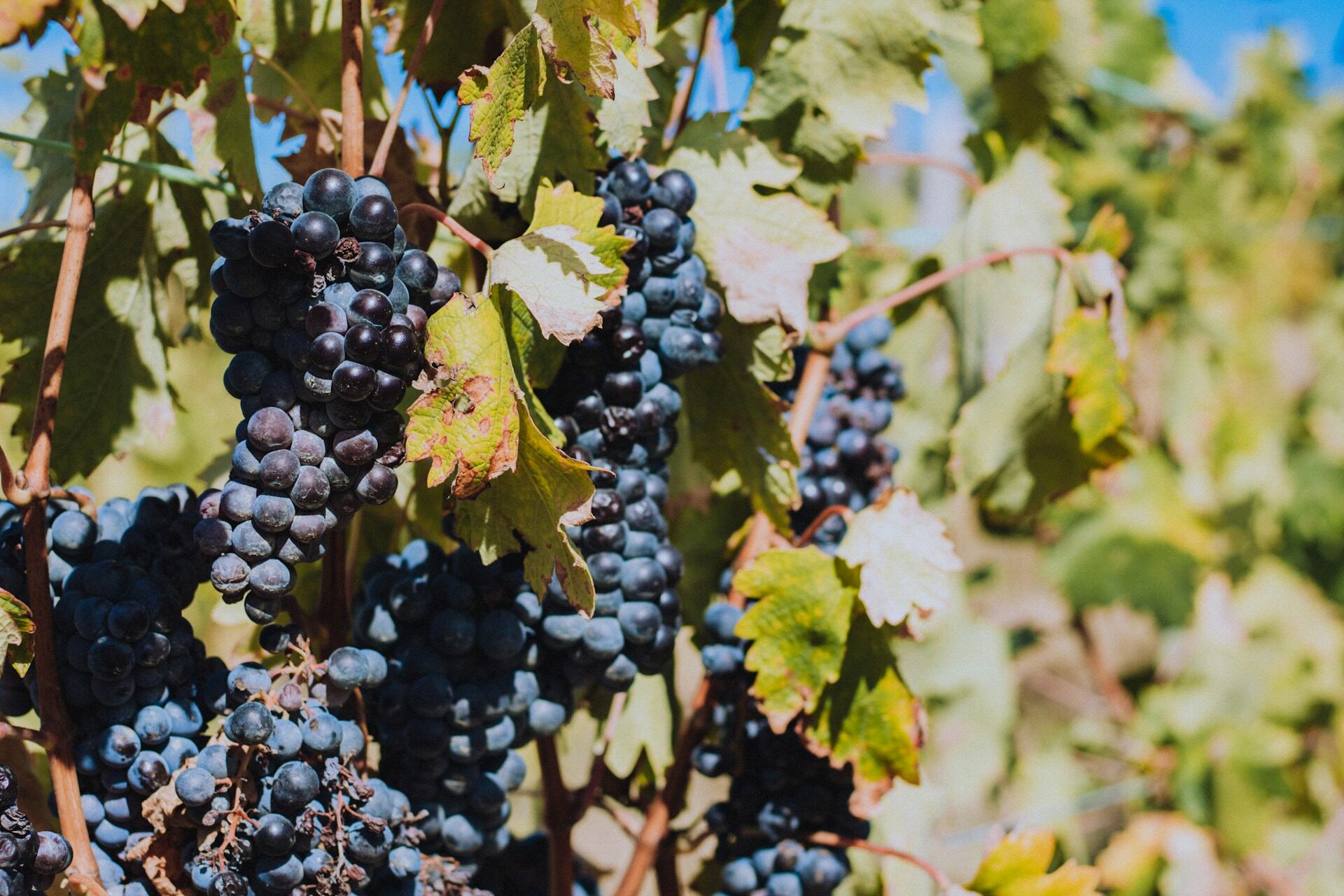
The first grapevines in the region were planted in Heuvelland back in 1996. Today, 63 winegrowers cultivate 155 hectares across various municipalities and cities in West Flanders, including Heuvelland, Zonnebeke, and Tielt. Grapes such as Riesling, which previously struggled to ripen in cooler climates, now thrive in warmer conditions. Sommelier José Lemahieu notes that December temperatures in the region now average 12 °C, compared with just over 10 °C in the past. Investment from Flemish entrepreneurs and automation has also professionalised production, allowing larger-scale cultivation while maintaining quality.
However, the rapid expansion of vineyards is raising environmental concerns. Intensive pesticide use produces triazoles—chemicals that can contaminate streams supplying towns like Ieper and Diksmuide, with potential long-term health effects. As the sector grows, experts say, responsible management is essential to balance economic benefits with environmental protection.
Other parts of Belgium offer insight into how the industry is adapting to a shifting climate. In Wallonia, warmer conditions allow earlier grape ripening but also increase vulnerability to spring frosts, floods, and pests such as Drosophila suzukii, a fruit fly that attacks ripening grapes and other soft fruits. Winemaker Jeanette van der Steen at Château Bon Baron near Dinant protects vines with clay and leaf thinning, while harvests have moved from mid-October to early September in response to the changing climate.
Belgium is also investing in sustainable wine tourism. The “Wine Street” initiative, spanning 80 km through Hageland, Haspengouw, and the Meuse valley, features six wine hubs and around 60 establishments for tastings and learning experiences. Visitors can cycle or walk through vineyards, discover local cuisine, and learn about sustainable practices. In Hageland, five scenic walking routes offer opportunities to explore vineyards, forests, historic castles, and artisan wine estates, with options for farm-to-table dining and luxury stays.
Belgian wines are gaining international recognition. Estates such as Chant d’Éole in Wallonia have won awards like “Best Sparkling Wine” at the London Wine Competition (2020). Protected Designations of Origin (PDOs) and Protected Geographical Indications (PGIs) ensure authenticity, strengthen regional identity, and boost tourism. The Belgian Winegrowers Organization supports over 80 percent of producers through training, guidance, and advocacy.
From West Flanders’ rapid expansion to climate-smart practices in Wallonia, sustainable tourism initiatives, and international acclaim, Belgium’s wine sector is transforming. Climate opportunities, investor support, and professional expertise are creating a vibrant industry that attracts tourists while demonstrating the potential for responsible growth in northern European wine regions.