For the first time in 40 years, UNESCO’s 43rd General Conference will take place at the Silk Road Samarkand Conference Centre in Uzbekistan’s ancient city of Samarkand from 30 October to 13 November 2025. Held every two years, the event brings together representatives from all 194 UNESCO member states, alongside scholars, international organisations, and cultural figures.
Founded in the 7th century B.C., Samarkand is a historic town in Uzbekistan and has been at the crossroads of Silk Road cultures for a very long time. Inscribed in UNESCO’s World Heritage List in 2001, the city has become a hub for international tourists, global events and cultural exchange, showcasing its rich history, unique architecture, and traditions.

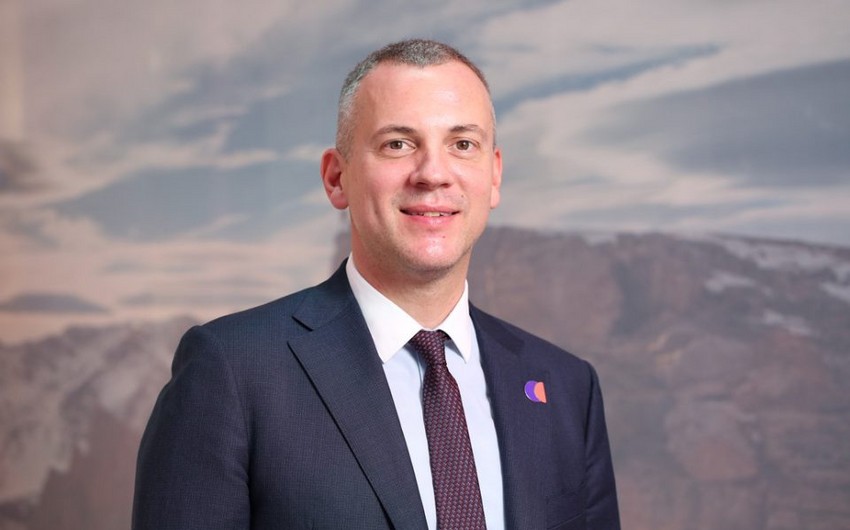
“It is true honour and great responsibility for Uzbekistan to host UNESCO’s General Conference. This reflects the growing trust of the international community to our country’s capacity and commitment to global cooperation,” said H. E. Gayrat Fozilov, Ambassador of Uzbekistan to the Kingdom of Belgium, at the Press Club Brussels Europe during a conference organised by Travel Tomorrow. Fozilov expressed hope that the Samarkand UNESCO meeting would lay a new foundation for cooperation in education, science, and culture, elevating the interaction in these fields to a higher level.

Echoing this, Farkhod Fayzillaev, Advisor to the Chairman of the Tourism Committee of the Republic of Uzbekistan, outlines the conference’s schedule, which includes plenary sessions, major debates, and parallel commission and committee meetings. “There will be vibrant side events such as cultural exhibitions, round tables, and a Youth Forum, allowing young people from the whole world to participate in the decision-making,” Fayzillaev stated. Key side events include a summit on the role of Artificial Intelligence (AI) in protecting cultural heritage, an event focusing on women’s rights and UNESCO’s gender equality agenda, and the opening of the Green Garden, showcasing Uzbekistan’s commitment to sustainable event planning and reducing its carbon footprint.
While the conference promises to boost Uzbekistan’s global visibility, it also raises concerns about overtourism and environmental impact. “Growth needs to be fought, and historical sites need to be protected because they are unique,” warned António Buscardini, Editor-in-chief of Travel Tomorrow. “If there is somebody that understands these concerns, it is UNESCO because they have multiple programs for protecting heritage.” Buscardini also noted that tourism accounted for 10% of global GDP in 2024, underscoring its economic potential for Uzbekistan.
Building on this statement, Ambassador Fozilov added that there is a lot to be done with regard to the protection and preservation of historical sites in Uzbekistan. For him, the conference is a long-term investment in international cooperation, as Uzbekistan is “increasingly recognised as a reliable and constructive partner in cultural diplomacy.”
These events are no coincidence, as Uzbekistan strategically positions itself as a global tourism hub. In 2017, President Shavkat Mirziyoyev declared tourism a key driver of the national economy, a vision now coming to fruition, according to Fayzillaev. Beyond its rich cultural heritage, exemplified by historic cities like Samarkand, Uzbekistan captivates visitors with its gastronomy, diverse tour offerings, and unique experiences. The country’s reputation as a safe destination, coupled with the growing popularity of solo travel and off-the-beaten-path adventures, further enhances its appeal, drawing travellers seeking authentic and immersive journeys.
“By hosting UNESCO General Conference, Uzbekistan is reaffirming its commitment to support peace through culture, education and science as a core mandate of UNESCO,” concluded the Ambassador.