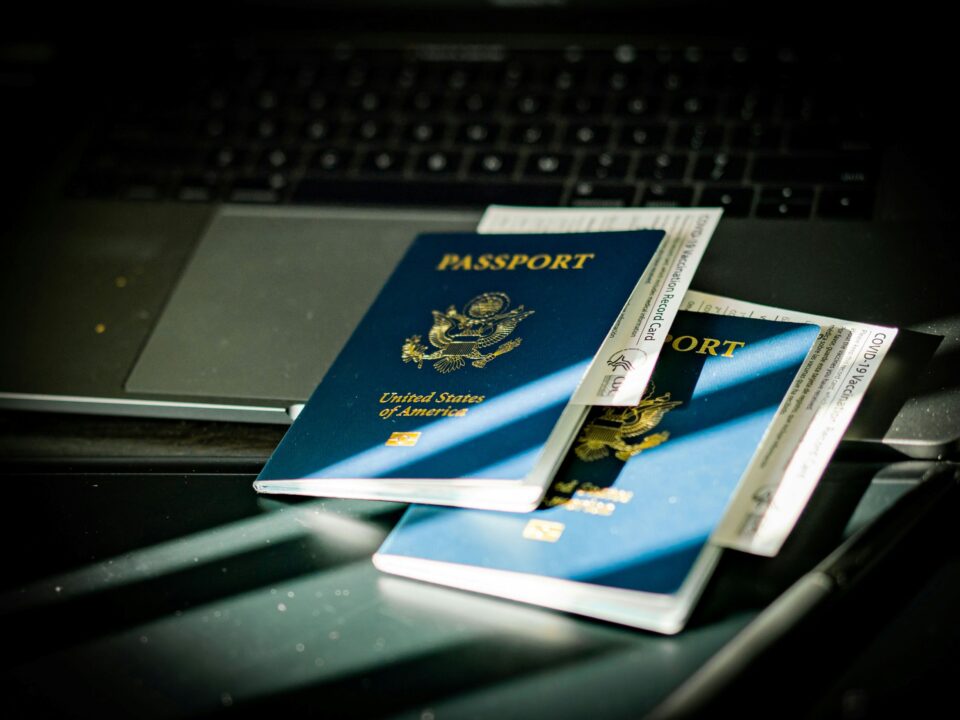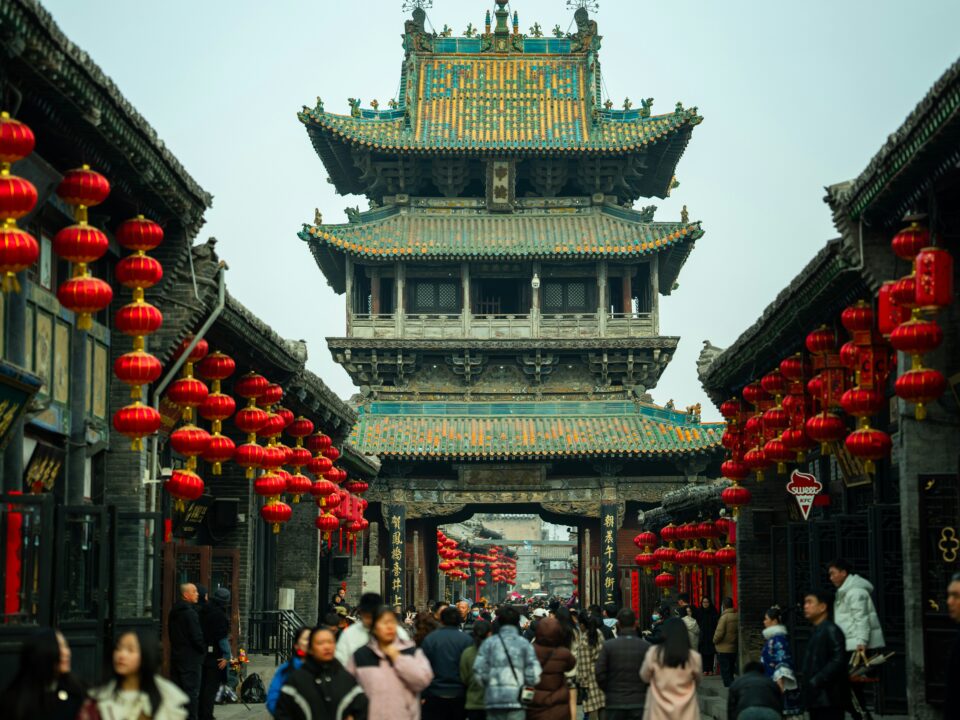

British citizens will soon be able to travel to China without a visa for short stays, following an agreement reached during Prime Minister Keir Starmer’s official visit to Beijing. Downing Street confirmed that UK passport holders will be granted visa-free entry for visits of up to 30 days, whether travelling for tourism or business purposes.
The announcement marks a significant shift in UK-China travel arrangements, bringing Britain into line with most European countries whose citizens already benefit from similar visa-free access.
Touched down in China – I’m here to deliver for the British people. pic.twitter.com/kzCJNsuBw3
— Keir Starmer (@Keir_Starmer) January 28, 2026
A long-awaited change for travellers and businesses
Under the new agreement, Britons visiting China for up to 30 days will no longer need to apply for a visa in advance, removing a process that typically costs over £100 and can take at least a week to complete. The change applies to both leisure and business travel and is expected to simplify trips for tourists, entrepreneurs and corporate travellers alike.
Speaking during his meeting with Chinese President Xi Jinping, Starmer highlighted the importance of improved access to the Chinese market for British firms.
“As one of the world’s economic powerhouses, businesses have been crying out for ways to grow their footprints in China,” the prime minister said. “Relaxed visa rules for short-term travel will make it easier for them to do so, supporting growth and jobs at home.”
Growth at home is directly linked to our engagement with the world’s biggest powers.
— Keir Starmer (@Keir_Starmer) January 29, 2026
Today I met with President Xi in Beijing. We affirmed our shared commitment to building a long-term and strategic partnership that will benefit both our countries, while maintaining frank and… pic.twitter.com/VBubyC1oZi
Resetting relations with Beijing
The visa-free travel agreement forms part of a broader effort by Starmer to recalibrate the UK’s relationship with China, following several years of strained diplomatic ties. The meeting in Beijing was the first visit by a UK prime minister since 2018 and came after months of preparation by both sides.
During the talks, the two leaders also agreed to explore closer cooperation in areas such as trade in services, data sharing, and irregular migration. A feasibility study will be conducted into a potential bilateral services agreement aimed at establishing clearer and legally binding rules for UK companies operating in China.
Starmer described the meeting as constructive, noting progress on whisky tariffs, visa-free travel, and cooperation on tackling organised crime linked to small boat crossings, with many engines used by trafficking networks originating in China.
Chinese President Xi Jinping and visiting British Prime Minister Keir Starmer agreed on Thursday in Beijing that the two countries should develop a long-term, stable comprehensive strategic partnership.
— FU Cong 傅聪 (@ChinaAmbUN) January 29, 2026
·China and Britain, as permanent members of the United Nations Security… pic.twitter.com/CKzkuYQtbS
Travel policy aligns with wider Chinese strategy
The UK’s inclusion in China’s visa-free regime follows a broader expansion of Beijing’s travel liberalisation policies. As previously reported by Travel Tomorrow, China has extended visa-free travel for most European countries until the end of 2026, allowing stays of up to 30 days without prior applications.
That policy has been part of a wider push to revive inbound tourism following the country’s late reopening after the COVID 19 pandemic. According to China’s National Immigration Administration, visa-free arrivals more than doubled in 2024 compared to the previous year, reaching over 20 million visitors. In 2025 alone, visa-free entries accounted for more than 72 percent of all foreign arrivals.
Until now, the UK remained notably absent from that list, despite similar arrangements being available to most EU member states. The new agreement closes that gap and signals a willingness on both sides to facilitate people-to-people exchanges alongside economic cooperation.