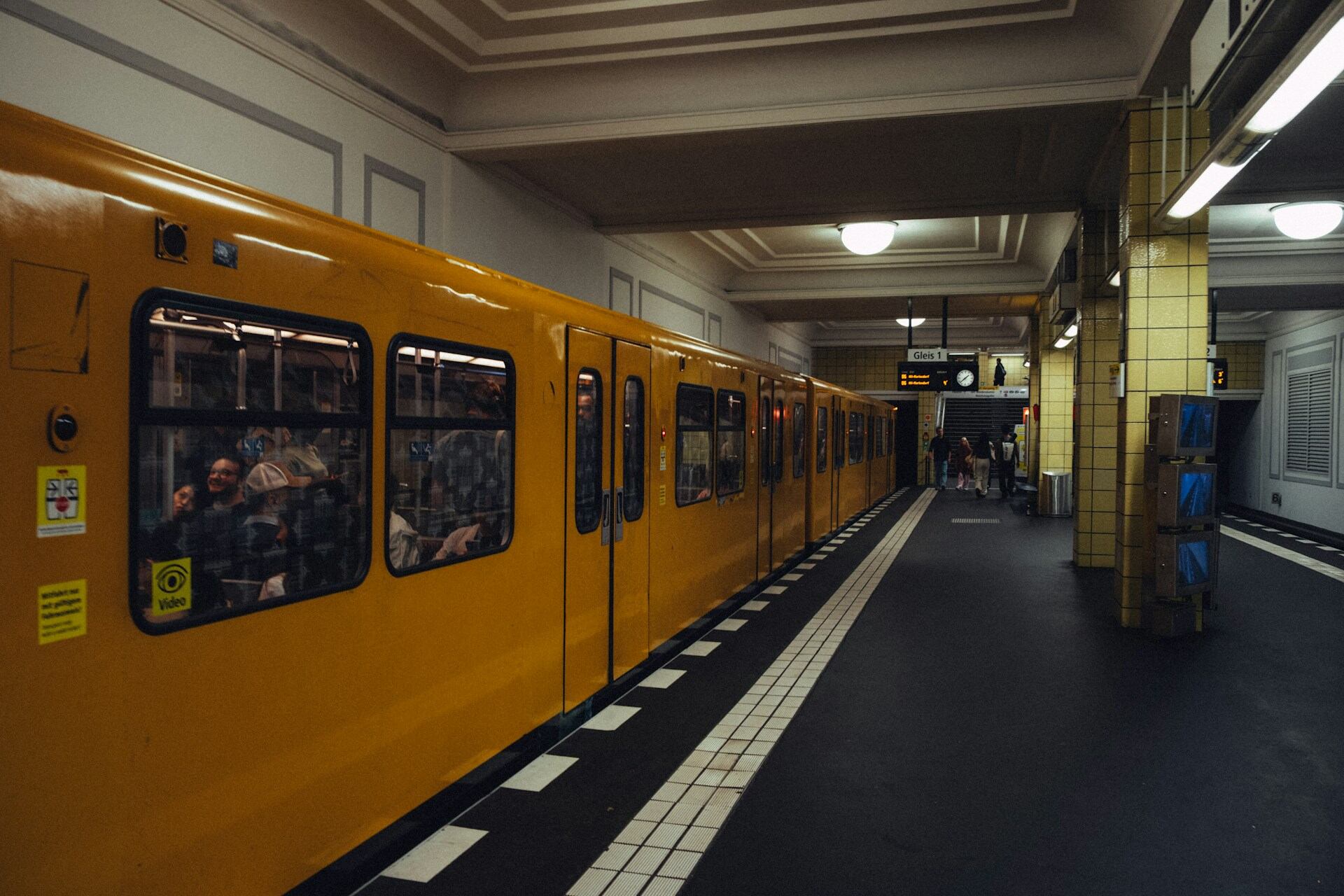



Public transport across Germany will face major disruptions on Friday, 27 February, and Saturday, 28 February, as workers stage a 48-hour strike. Trains, trams, and buses in towns and cities nationwide are expected to be severely affected. U-Bahns, which are underground trains similar to subways, may not run at all or will operate only on a limited emergency timetable. Passengers are advised to check local transport services for updates and prepare for delays and cancellations in almost every region of the country.
The strike was called by Verdi, one of Germany’s largest trade unions, which represents around 100,000 employees working for approximately 150 transport companies. The union says negotiations overpay and working conditions have stalled, leaving employees frustrated. Similar strikes earlier in February also caused widespread disruption, showing that local transport services are under serious strain. Verdi deputy chair Christine Behle emphasised that public transport cannot function properly in the long term without improvements to working conditions.
While local public transport will be disrupted, long-distance trains and regional rail services run by Deutsche Bahn, such as ICE and IC trains, will continue operating normally. S-Bahn trains, which serve larger cities and suburbs, are also expected to run, though passengers may experience delays due to ripple effects from the strike. Airlines and road services should mostly remain unaffected, but travellers are warned to check schedules in case of unexpected disruptions.
The union’s demands focus on improving working conditions for transport employees. They are asking for a reduction in weekly working hours, shorter shifts, and longer rest periods between shifts. Additionally, Verdi wants higher allowances for night and weekend work and, in some states, salary increases of around 10 percent. The goal is to make transport jobs more sustainable and to prevent staff burnout, which has been a growing issue in Germany’s public transport system.
This strike is the latest in a series of labour actions across the country. Earlier in the year, walkouts affected universities, schools, and other parts of the public sector due to staff shortages and stagnant wages. Transport workers are now applying pressure through strikes to highlight the urgency of their demands. Christine Behle described the lack of progress in negotiations as “more than disappointing,” stressing that decisive action is needed to protect the quality and reliability of public transport.
Passengers should expect travel chaos and plan alternative routes if possible. Ticket refunds or changes may be available for cancelled services, but these rules vary by operator. For commuters in major cities like Berlin, Hamburg, and Frankfurt, the most reliable options to get around are walking, cycling or car-sharing. Travellers should also monitor news updates, as local authorities sometimes implement emergency timetables to ensure minimal service during strikes.