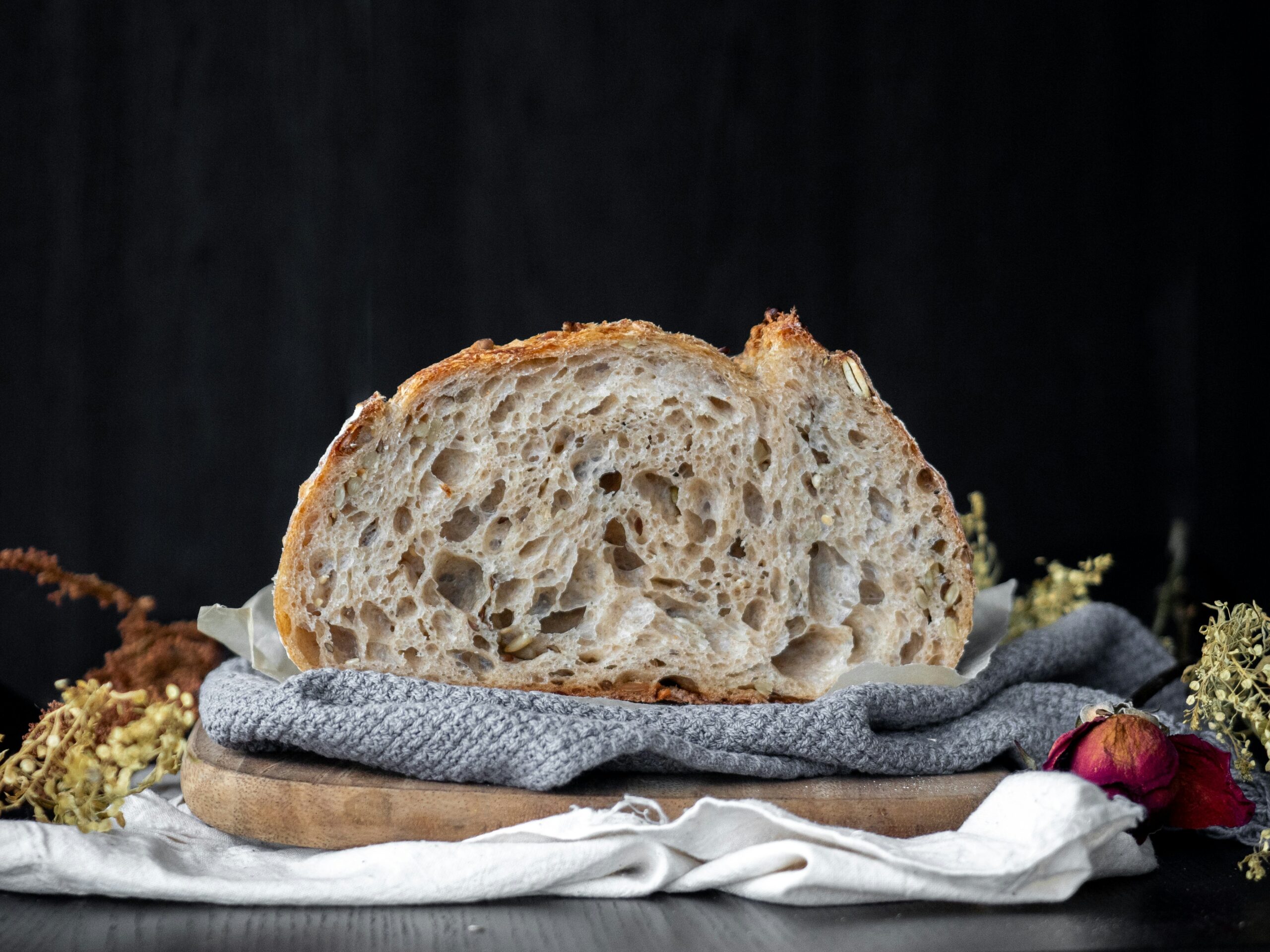


A $60 loaf of bread (≈€53) has become an unlikely sensation in New York City, raising questions about how everyday food products are becoming luxury goods. From artisanal sourdough to premium strawberries, businesses are increasingly using craftsmanship, exclusivity and storytelling to justify higher prices and attract consumers willing to pay for something beyond the product itself.
At the centre of the latest debate is Rye, a bakery in Manhattan’s SoHo neighbourhood opened by Austrian baker Martin Auer. The establishment specialises in a single product: a 1.5-kilogram loaf of 100% rye sourdough, made using organic rye flour imported from Austria. Customers can purchase a whole loaf for $60, half for $30 or a quarter for $15.
The bread contains just three conventional ingredients – flour, water and salt – with time described as the fourth. According to co-owner Tim Auer, the price reflects the loaf’s size, the cost of importing ingredients, the bakery’s Manhattan location and a lengthy production process.
“The price is also the result of all the efforts and costs that went into this, whether that’s importing the organic rye flour from Austria or baking it right here on site on Lafayette Street,” Auer told People.
However, the same traditional bread is available for considerably less in Austria. According to The Guardian, a large loaf costs €12.97 in Graz and €14.27 in Vienna, highlighting the substantial price difference between the European and American markets.
The phenomenon extends beyond bread. As Business Traveller reports, Parisian bakery Poilâne sells traditional sourdough loaves for just under €15 in Paris, while customers in New York can pay approximately €42. In Japan, premium white strawberries can cost up to €10 per fruit in exclusive retail outlets.
Such pricing reflects a wider marketing strategy known as premium positioning, in which brands emphasise rarity, quality, heritage and exclusivity to distinguish otherwise familiar products.
Research cited by Business Traveller from NielsenIQ suggests that fewer than one-third of consumers worldwide associate premium products solely with high prices. Instead, 54% link them to exceptional ingredients or materials, indicating that perceived quality can be more important than cost alone.
Social media has also become central to this strategy. Luxury food purchases can serve as expressions of personal taste and cultural knowledge, particularly when unusual products attract attention online. Rye’s $60 loaf has generated widespread discussion, turning its controversial price into a powerful source of publicity.
Yet the response has been divided. While some consumers appreciate the traditional production methods and craftsmanship, others question whether any loaf of bread can justify such a price.
For businesses, however, the controversy showcases how an ordinary staple can become a desirable luxury product. With a mix of tradition, a touch of exclusivity and social media buzz, brands can turn everyday food into a luxury – something consumers purchase not only to eat, but also to experience and display.