
New rules governing who can climb Mount Everest and how could soon be imposed on expeditions to Earth’s highest peak. Upper House lawmakers in Nepal’s National Assembly have approved a new tourism bill that will place health, experience, and planning requirements on would-be climbers in a bid to reduce emergencies and raise funds for environmental actions on the mountain.
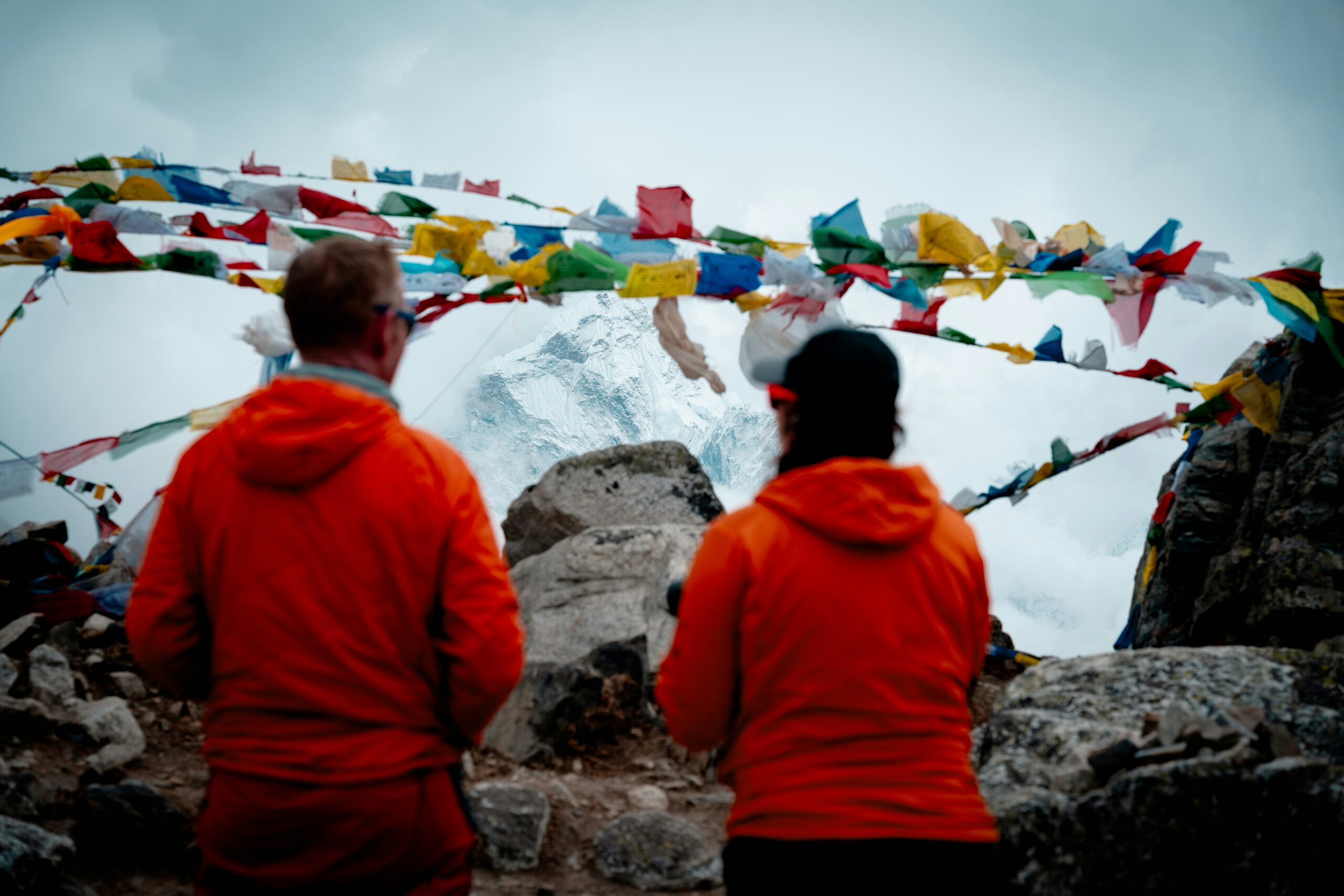
Soaring 8,800m above sea level, Mount Everest (known as Qomolangma in Tibet and Sagarmatha in Nepal), represents a mountaineering challenge that attracts competitive thrill seekers and completionists, as well as increasing numbers of inexperienced climbers.
Expeditions from Base Camp usually last up to three months – an endurance test of extreme physical discomfort, low temperatures and oxygen levels, dangerously changeable weather conditions, and avalanche risks, which combine to mean climbers must wear mandatory tracking chips to increase their chances of being found when things go wrong.
What’s more, climbers are required since 2014 by Nepalese law to lug back eight kilograms of rubbish in addition to their own, and by local laws since 2025, to bring their own excrement back down the mountain in specialist “wag bags,” too, or lose their $4,000 (€3,400) deposit. And on top of all that, climbers generally find it costs between $45,000 (€38,000) and $70,000 (€59,000) per person for the privilege of undertaking an expedition.
Despite the barriers, climber numbers have increased to “complete circus” levels according to Caradoc Jones, the first Welshman to climb Mount Everest in 1995. But that could soon change, if Nepal’s Lower House approve restricting permits to those who have previously conquered at least a 7,000-metre Nepalese summit. Climbers would also need to supply recent health certificates and a comprehensive ascent plan (as well as paying the necessary fees).
The idea, in the face of shocking social media footage of long queues to reach the peak and climbers passing by corpses in the snow, is to ensure only those fit and adequately prepared are summiting Everest. Outside magazine says up to 300 deaths have occurred on the mountain, including five in 2025.
Other elements of the legislation include more Environment Protection measures to tackle litter and human waste, a Mountaineers’ Welfare Fund, and substituting the refundable deposit for a straightforward fee which will go towards conservation.
A mountaineer with over 20 years’ experience speaking anonymously to Travel Tomorrow, said: “Today with sufficient money almost anyone can ‘climb’ Everest,” but pointed out, “there are plenty of mountains in the Himalayas and what they suggest is a good way to spread the crowds (and the revenues).” Arguing that Everest has become an “object of consumerism” that attracts people who are unable to climb an average 4,000-metre summit in the Alps, he added: “If it were up to me, I would restrict the mountain to those climbing with oxygen and/or I would limit the ratio sherpa/climbers. This would require the climbers to be more experienced. And more experienced means more respectful.”
With a General Election pending in Nepal, the Lower House is expected to vote on the Tourism Bill sometime after March. The rules could take three months to come into force, meaning expeditions taking place in the most favourable, pre-monsoon, spring season 2026 could avoid the new restrictions.