Etihad Airways is set to inaugurate flights to Kabul from 18 December 2025, in an expansion of its regional network that the carrier says “responds to growing demand for travel between the UAE and Afghanistan.”
Etihad has already announced 30 other new routes in 2025 alone, building on its record profits of $476 million for 2024 by continuing to invest in strategic markets across the Middle East and South Asia.
For Afghanistan, meanwhile, the move comes as part of improving relations with some nations. This year, the Associated Press notes, the United Arab Emirates (UAE) has accepted a Taliban ambassador, Russia has officially recognised the Taliban government, and India has announced it is establishing a full diplomatic mission in Kabul.
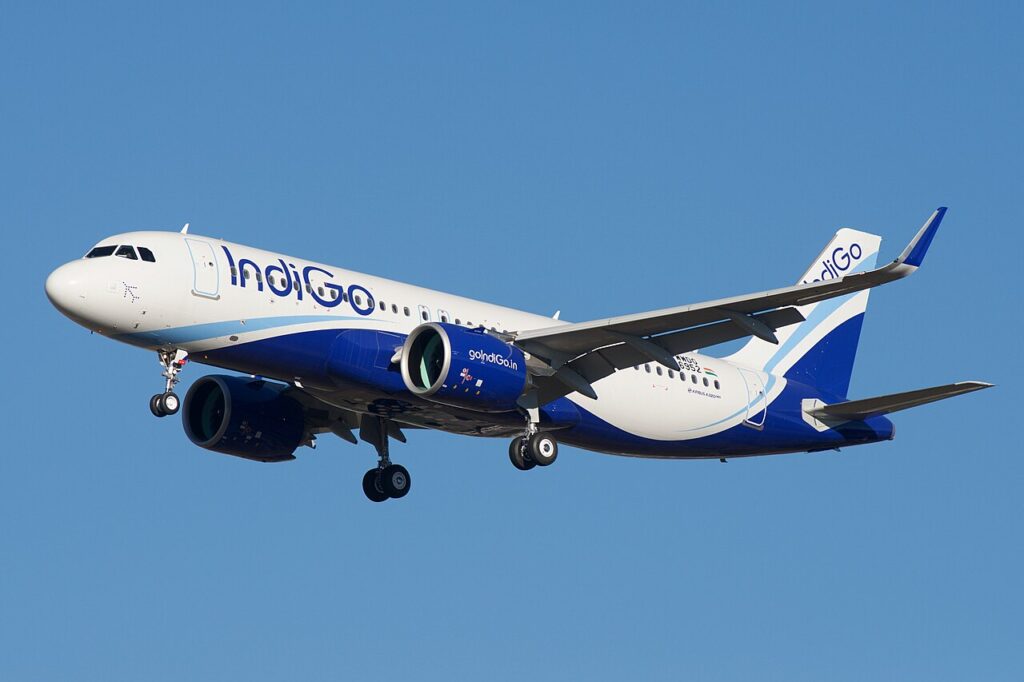
Now, the Afghan sector is set to be further bolstered by the direct Etihad service scheduled to fly three times per week and boosting, the carrier says, “trade, travel, and community ties”. The route will operate on board an Airbus A320. The best-selling narrowbody jet is configured to offer eight Business Class and 150 Economy seats.
Kabul is next on our map – get ready for takeoff! ✈️
— Etihad Airways (@etihad) October 10, 2025
Starting 18 December 2025, we’re launching flights to Afghanistan’s vibrant capital, connecting Kabul with Abu Dhabi and beyond. Fly direct on board our Etihad A320, featuring Business and Economy cabins designed for comfort,… pic.twitter.com/YPPvD7imLR
Noting that there are “around 300,000 Afghans living and working in the country, according to the Afghan Business Council,” the airline said in a statement that “the new flights will further strengthen these economic and social ties while enhancing connectivity through Abu Dhabi.”
Despite the Taliban’s political isolation from many countries due to its human rights record, especially restrictions on the rights of women and girls, its tourism industry is growing, and stakeholders are even exhibiting a sense of humour about the country’s reputation, controversially joking about jihadist kidnaps and beheadings and comparing those fears to a changing reality on the ground.

In July 2025, Qudratullah Jamal, the Deputy Minister of Tourism, explained the government’s strategy of training squads of Afghan men to work in tourism and deal with cultural differences, especially when it comes to attitudes toward women travellers. “The Afghan people are warm and welcoming and wish to host tourists from other countries and engage with them,” he stated. “Tourism brings many benefits to a country. We have considered those benefits and aim for our nation to take full advantage of them.”
Jamal, Afghanistan, and Etihad are betting on further growth in an industry that has far-reaching societal impacts. “We are optimistic this sector will evolve into a large economy, bringing significant benefits. It plays an important role in strengthening our national economy,” he said.