
While the UAE is trying to project an image of calm amid the escalating conflict that has engulfed the Middle East since late February, there are clear signs that its tourism industry is under strain. The emirate’s beaches, hotels and shopping malls, which are usually full of Europeans escaping winter at this time of year, are now noticeably quiet. Restaurants that usually require advance bookings are now half-empty.
Iconic locations such as the Al Seef waterfront market along Dubai Creek and the shoreline near luxury hotels, including the iconic Burj Al Arab, have been significantly less busy since Iran began launching drones and missiles at the UAE.
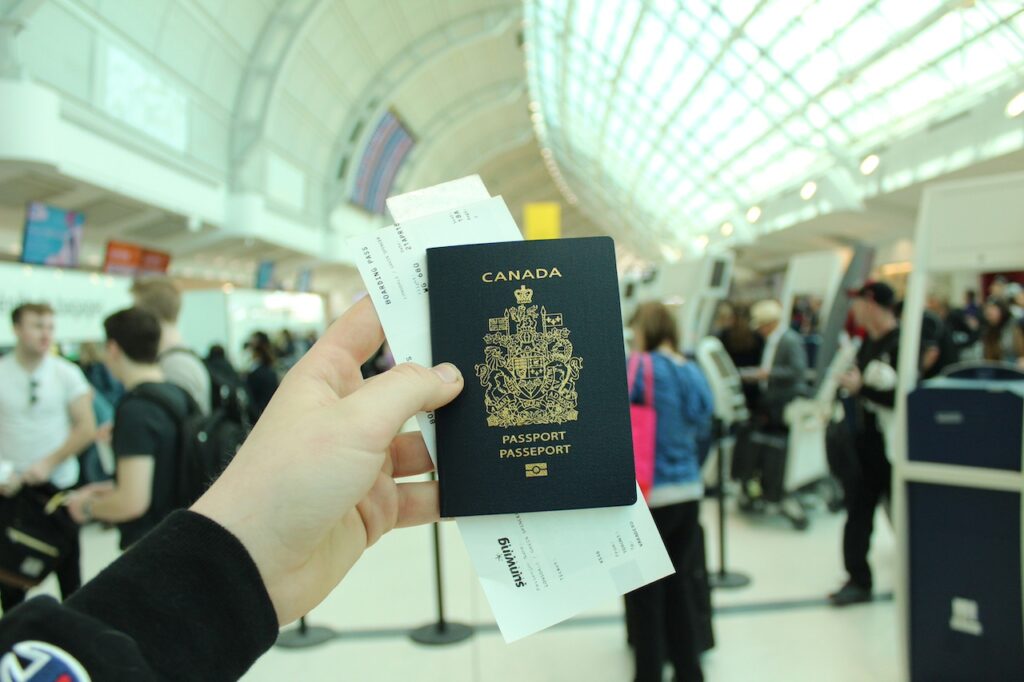
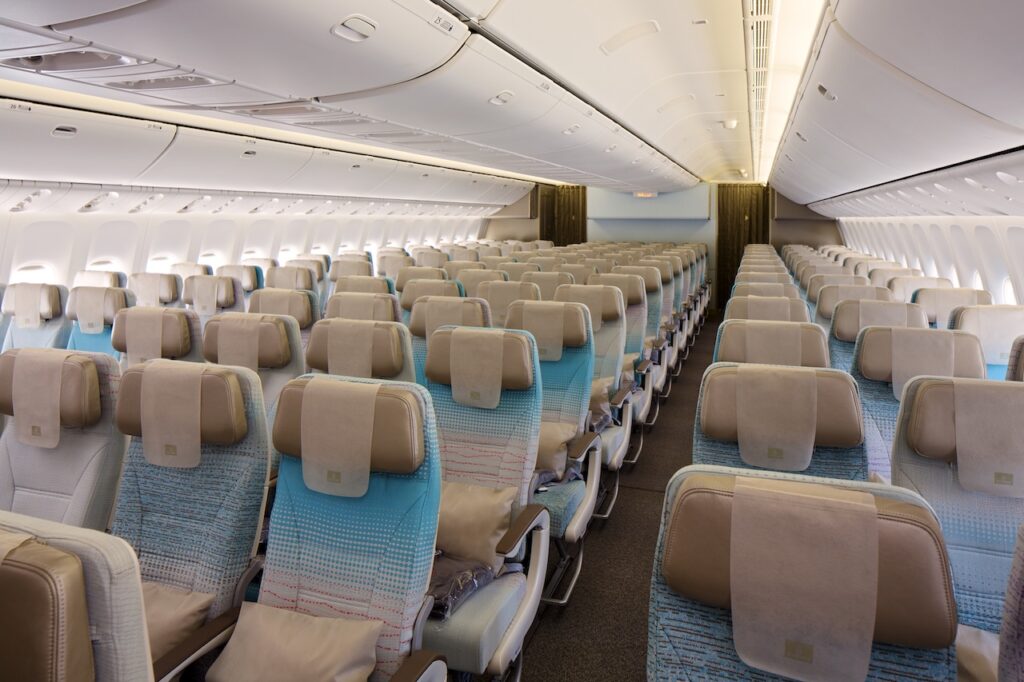
Flight scarcity, volatility, and steeply rising ticket prices have convinced many to cancel or postpone their plans, or to look elsewhere entirely. Footage of tourists being stranded in Dubai while strikes hit the airport and famous skyscrapers has not helped the emirate’s appeal, particularly with family travellers, who are waiting for calmer skies.
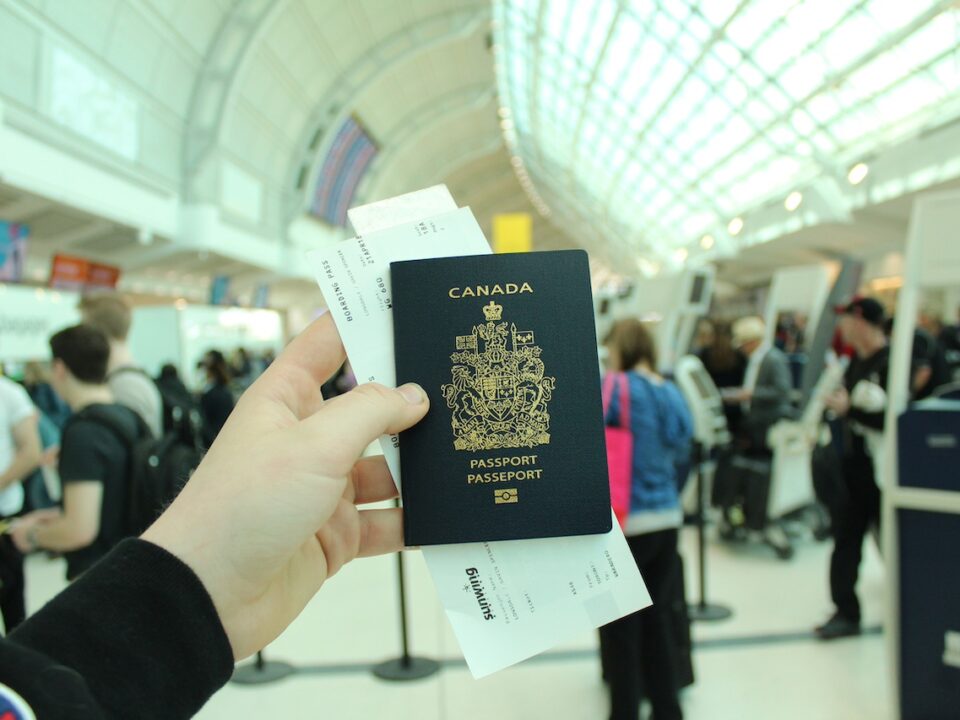
At the time of writing, flights to and from Dubai International Airport (DXB) are gradually resuming to selected destinations after a precautionary suspension following a drone strike near the airport, with passengers advised to check with their airlines for the latest flight updates. According to the aviation analytics company Cirium, more than 50,000 flights to and from the wider Middle East have been cancelled or diverted since the conflict began, creating a backlog that airlines are still working through.
Flights to and from DXB are gradually resuming to selected destinations, following the temporary suspension implemented as a precautionary measure.
— DXB (@DXB) March 16, 2026
Please check with your airlines for the latest updates regarding your flights.
The World Travel and Tourism Council (WTTC) estimates that the broader Middle East conflict is costing the tourism sector approximately $600 million (€525 million) per day.
However, residents appear less alarmed than visitors. Stéphanie Baker, a British real estate consultant who moved to Dubai a year ago, told the BBC that, although her first sighting of a missile overhead was shocking, “the way the situation has been handled makes me feel more secure”.
The calculation is different for tourists. A Belgian traveller who used to visit Dubai at least once a year told Travel Tomorrow that she has “no plans to go there again”, citing safety concerns and soaring airfares as reasons. She added that she and her family are heading to Spain instead this year.
Most Western governments are discouraging all but essential travel to the region. The UK Foreign Office warns that Iran is targeting civilian infrastructure across the region. “Travel within or out of the UAE is at your own risk”, it added. The US State Department is urging travellers to reconsider their plans due to the threat of armed conflict and has ordered non-emergency government staff to leave. Similarly, France cautions that missile debris can fall in urban areas even when intercepted.
The FCDO now advises against all but essential travel to Bahrain, Kuwait, Qatar and the UAE.
— Foreign, Commonwealth & Development Office (@FCDOGovUK) March 1, 2026
If you are a British national in those countries, you should shelter in place and register your presence.
If you need consular assistance, you can call our teams 24/7. pic.twitter.com/4WFIr8JVyP
Dubai’s hospitality industry is already feeling the strain. Dr Naim Maadad, founder and CEO of Gates Hospitality, said cancellations are coming in “all the way until May”. “When the first quarter starts badly, the rest of the year becomes a race to catch up,” he added.
Since the war began, the UAE has been targeted with facing hundreds of ballistic missiles, 15 cruise missiles and over 1,600 drones launched by Iran. Authorities report that, of these, over 90% have been intercepted, and most of the damage has been material. Nevertheless, six people have been killed and more than 140 injured.
Despite the attacks, residents say daily life continues largely as normal, a message authorities reinforce through alerts and public appearances in malls and other busy spaces.
Christopher Davidson says the attacks may dent Dubai’s short-term appeal, but with its fundamentals – infrastructure, regulation, weather and geography – remaining unchanged, he predicts that “in the long term its appeal will remain intact”.