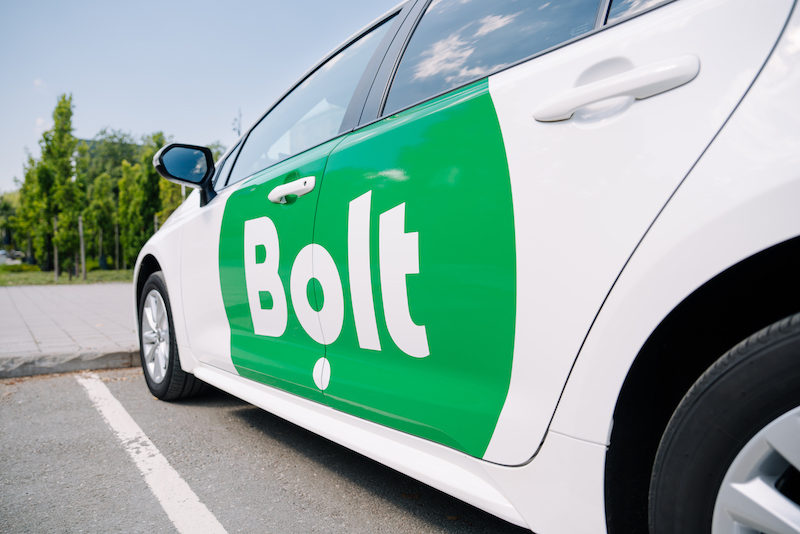



Women in Brussels now have a new option for safer travel with Bolt. The ride-hailing app has introduced “Women for Women” rides, allowing female passengers to choose female drivers, and female drivers to accept only women riders. Bolt says the initiative is designed to give women more confidence and peace of mind when using ride-hailing services.
The program comes at a time when women are still underrepresented among drivers in Brussels. Although the number of female drivers has quadrupled in the past three years, they make up just 1% of active drivers in the city. In France, where the service was launched last year, the number of women drivers increased by 95%, while ride requests from women grew by 40% month on month. Bolt plans to eventually make the service available on-demand and expand it to other Belgian cities once operational conditions allow.
Safety is a key focus of the program. Before booking a Women for Women ride, passengers must take a selfie and upload an ID document for verification. This ensures that only real, identifiable women can use the service. The gender marker on official documents is used to verify eligibility, meaning that transgender women whose documents state they are female can also access the service.
The need for such a service is clear, given past safety concerns in ride-hailing. In Belgium, women have shared numerous accounts of harassment and assault by drivers on platforms like Uber. Some described being pressured to give personal information or being threatened when trying to exit a vehicle. Reports also emerged of fake taxi drivers targeting students. In the United States, Uber’s safety report revealed nearly 6,000 cases of sexual assault over two years, highlighting that women passengers globally face real risks when using ride-hailing services.
Bolt is not alone in responding to this demand. Uber has expanded its “Women Preferences” feature in 28 US cities, allowing female passengers, including teens, to select women drivers, pre-book rides with them, or set a default preference in the app. Drivers can also choose to accept more rides from women passengers, giving them flexibility and confidence while earning.
In addition to the ride option itself, Bolt is investing €2.5 million to encourage more women to drive. The company offers incentives such as referral rewards, low commissions, car access through partner programs, and driver training. Safety features like Emergency Assist, ride management tools, trip sharing, and keeping drivers’ phone numbers private are part of the app’s toolkit.
Mahaut de Lesquen, Bolt Belgium’s Operations Manager, says the goal is simple: “Women for Women lets women travel with more peace of mind and makes female drivers feel safer. We want to grow the service, get more women on the road, and create a positive cycle that benefits everyone.”
Bolt’s initiative in Brussels shows how targeted safety programs can address long-standing concerns for women riders and drivers. By providing verification, incentives, and a female-only option, the company hopes to make ride-hailing more inclusive and secure. As similar programs expand in other cities and platforms, women passengers may increasingly feel confident choosing ride-hailing services for their daily travel.