


Belgium welcomed a record number of tourists in 2025, with more than 46 million overnight stays registered across the country. This represents a 3% increase compared to 2024, according to preliminary figures from Statbel. The growth was spread across 19.6 million arrivals, with most visitors staying just over two nights on average. Both leisure travel and trips related to conferences or seminars contributed to this rise.
Hotels remained the most popular choice for visitors, accounting for 21.4 million overnight stays, or about 46% of the total. While hotel stays grew modestly by 2%, the sharpest increase was seen at campsites, where overnight stays jumped 11%. Holiday homes, apartments, and recreational parks also saw more visitors, with no accommodation type experiencing a decline. The steady increase across all categories shows that Belgian tourism continues to attract a diverse range of travellers.
Regionally, Flanders recorded the highest number of overnight stays, with nearly two-thirds of all nights spent there. Wallonia saw the fastest growth at 6%, even though it only accounts for about one-fifth of total stays. The Brussels-Capital Region remained stable, contributing around 16% of overnight stays. In December alone, Belgian accommodations hosted more than 3.1 million overnight stays, up 6% compared to December 2024, highlighting the strength of year-round tourism.
Flanders has long been a major driver of Belgian tourism. In 2024, the region welcomed nearly 15 million visitors, with international tourists from the Netherlands, France, Germany, and the United States accounting for most of the growth. Chinese tourism was also recovering, with arrivals up over 50% compared to 2023. These trends set the stage for continued growth in 2025.
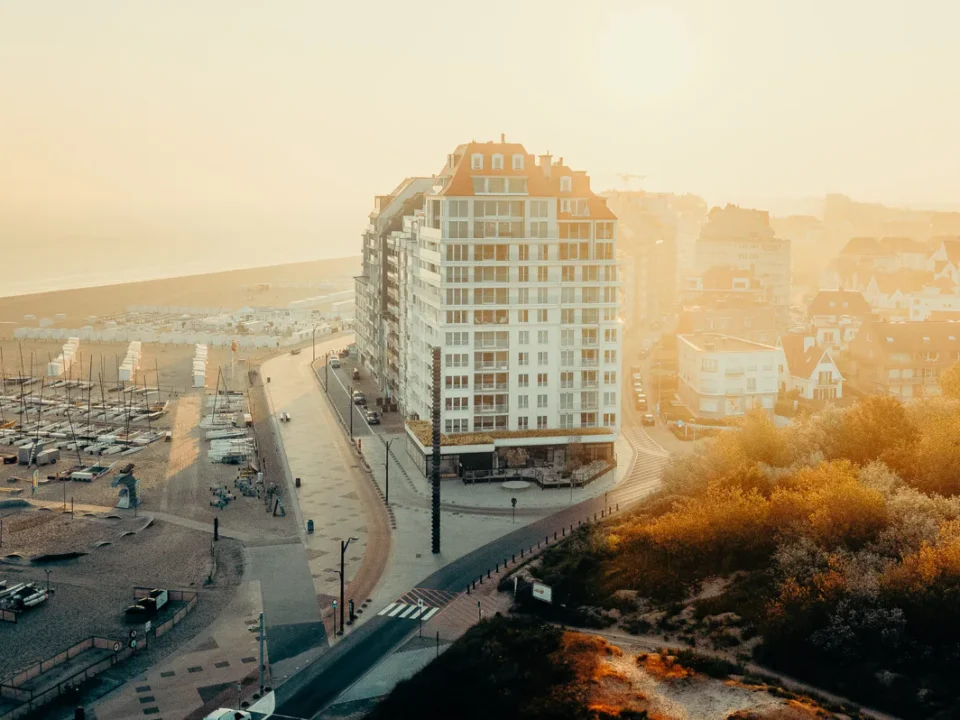
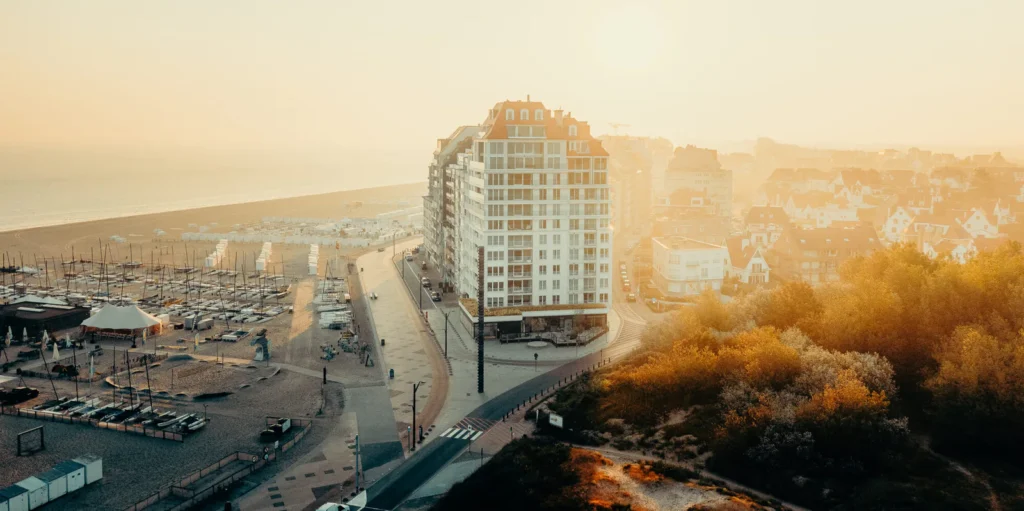
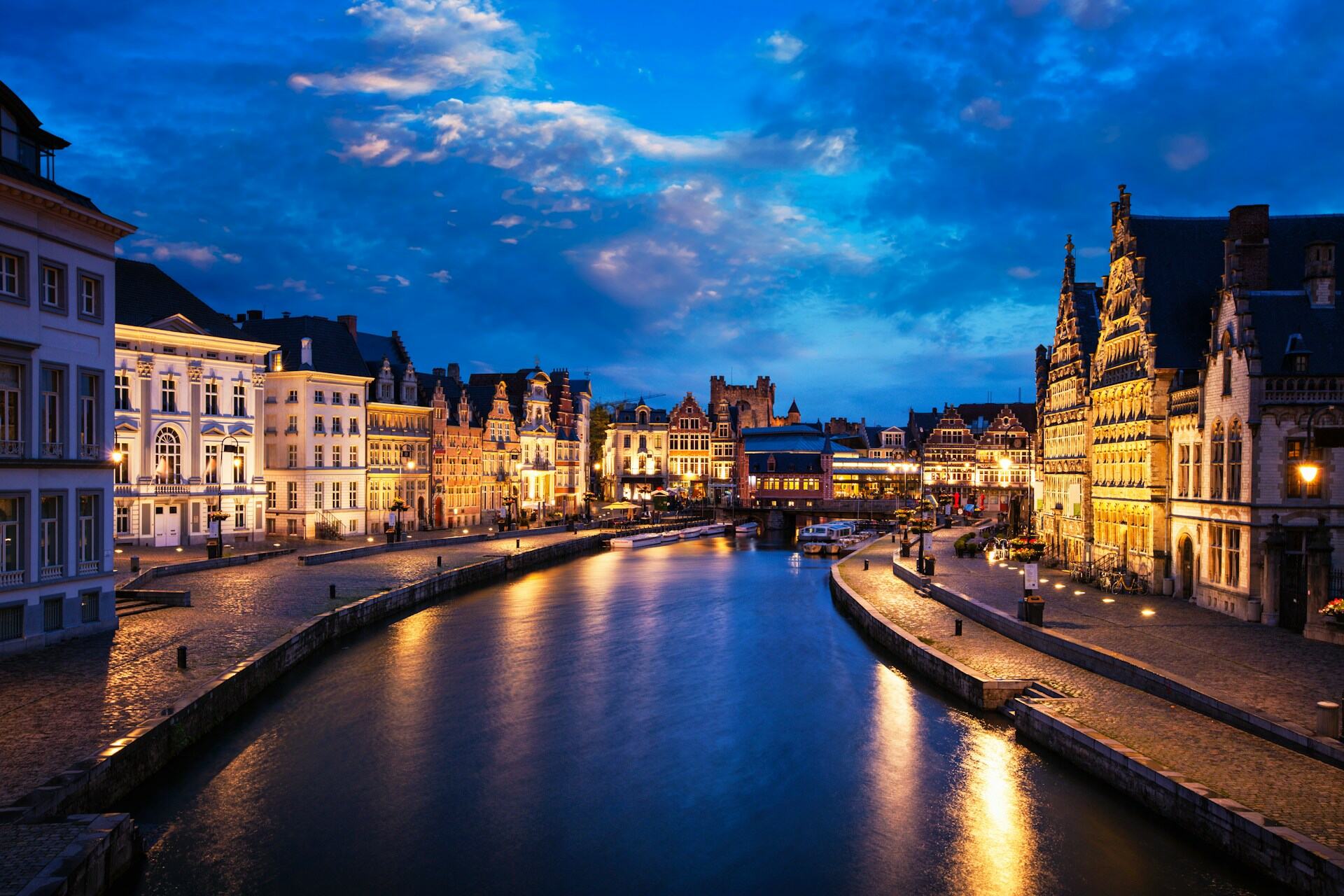
Flanders offers a wide range of tourism experiences, combining historic cities with cultural attractions and outdoor activities. Cities such as Ghent and Antwerp attract visitors with their architecture, museums, and lively centres. The region also includes coastal destinations like Knokke-Heist and Ostend, which are popular for walking and cycling, especially during the warmer months. Visitors can also explore nature areas such as Hoge Kempen National Park or Bokrijk. Seasonal events, exhibitions, and local markets take place throughout the year, attracting both domestic and international tourists.
Wallonia offers a different type of tourism, with a stronger focus on nature and outdoor activities. The Ardennes region is known for its forests, rivers, and rolling landscapes, making it suitable for hiking and cycling. Visitors can also explore towns such as Durbuy, La Roche-en-Ardenne, and Dinant, which attract tourists with their historic centres and local atmosphere. Castles like Bouillon and Freÿr reflect the region’s long history. Activities such as kayaking and walking are common, especially during the warmer months.
Brussels, the capital of Belgium, offers a mix of cultural, historical, and modern attractions. Visitors often explore landmarks such as the Grand Place, the Atomium, and the Manneken Pis. The city is home to several museums, including the Magritte Museum and the Royal Museums of Fine Arts. Throughout the year, Brussels hosts a range of cultural events and exhibitions. Its restaurants and cafés reflect the city’s international character and diverse food scene.
Tourism is a major contributor to the regional economy in Flanders, employing more than 300.000 people and generating 9.5 billion euros in 2022. Local initiatives such as the “Everyone deserves a holiday” program aim to make travel accessible to residents across income levels. Even with strong growth, authorities continue to invest in budget-friendly options to ensure tourism remains inclusive.
Air travel also supports Belgium’s growing tourism industry. Brussels Airport handled 24.4 million passengers in 2025, up 3.3% from the previous year despite repeated national strikes that caused thousands of flight cancellations. The airport expanded its network with three new airlines and six new destinations, including intercontinental routes to Atlanta, Chongqing, and Hong Kong. Cargo volumes also rose, reinforcing Brussels Airport’s role as a key hub for both travellers and goods in Europe.
Overall, 2025 was a record year for Belgian tourism, with strong domestic and international demand, robust accommodation growth, and expanding air travel connections. Visitors enjoyed a variety of experiences from city tours and cultural attractions to seaside retreats, culinary experiences, and nature adventures. With continued investments and new routes at Brussels Airport, Belgium is positioned to maintain its appeal as a top European travel destination in the coming years.