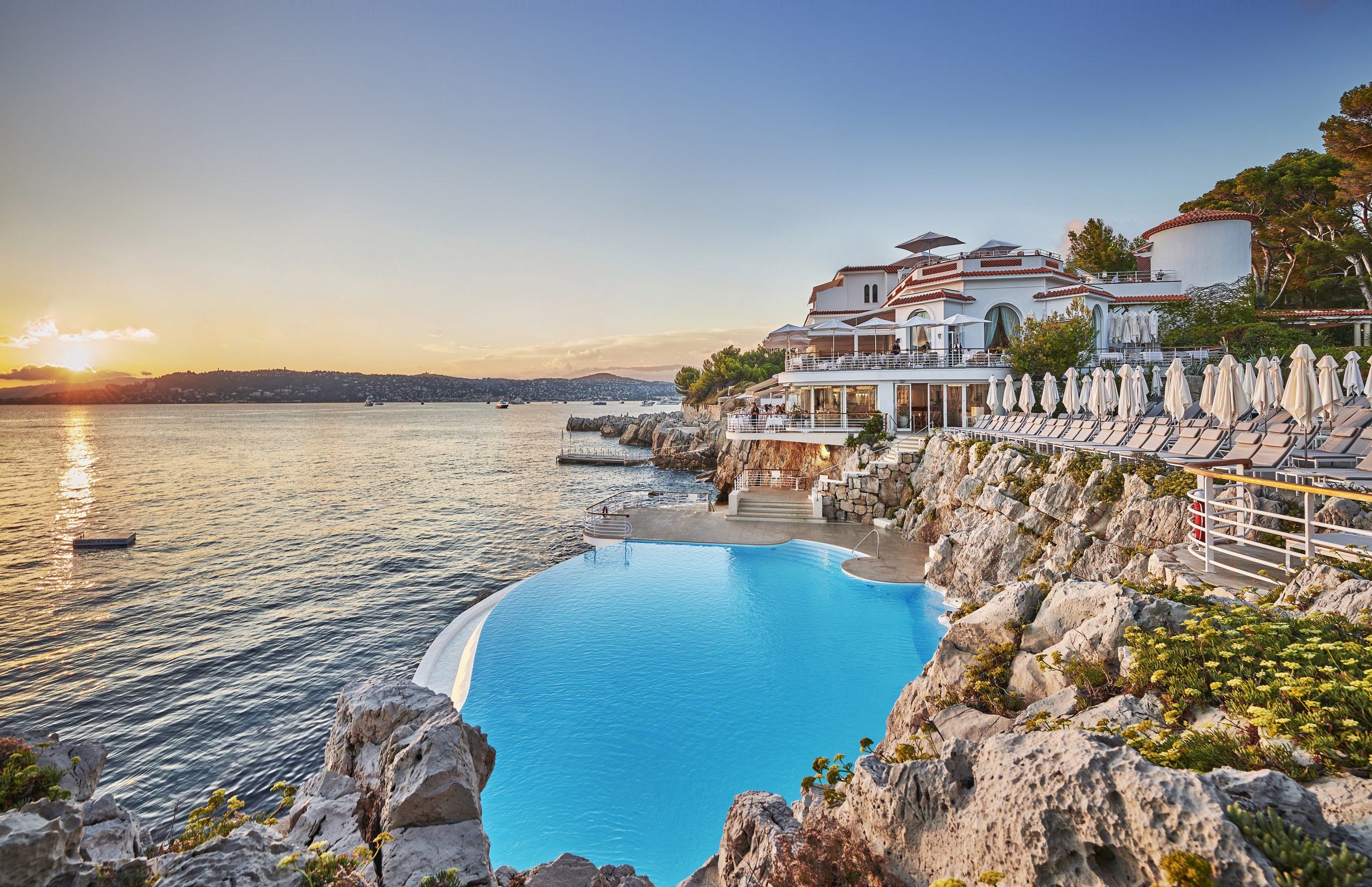

Some visitors to Hotel du Cap-Eden-Roc in Antibes, on the French Riviera, have been arriving with more than an appetite. According to hotel manager Sophie Volant, people booking lunch or dinner have brought bags of clothes and jewellery for lengthy photoshoots. Some have wandered around looking for places to pose instead of sitting down to eat. Others have spent hours changing outfits despite not having a room. Complaints from regular guests prompted management to introduce rules protecting their privacy.
The five-star property has attracted famous visitors, including Grace Kelly, Elizabeth Taylor and members of the Kennedy family. Its Mediterranean setting makes it an appealing backdrop for social media posts. However, Volant said returning guests also value its private atmosphere. “We have a lot of loyal, repeat guests who don’t see this hotel as a hotel; they see Hotel du Cap as their summer home,” she explained. “And as much as they appreciate having people in the restaurants and in the bars, they also want their summer home to remain private.”
The hotel’s website sets out its photography policy. “To preserve the peace and privacy of all our guests, photo shoots are not permitted on the property,” it states. Special requests require authorisation from management. The concierge team can review proposals and provide details of the hotel’s exclusive partner photographer. A restaurant reservation therefore does not automatically give visitors permission to use the grounds for a photoshoot.
The restrictions do not mean every holiday photograph is forbidden. Volant explained that guests can take pictures along the Grande Allée, the hotel’s tree-lined promenade. However, they are asked to pause if other visitors enter the scene. Photography and phone calls are also restricted at the pool. The rules distinguish casual pictures from activities that interfere with other guests’ privacy.
Enforcing these boundaries can be difficult, particularly when staff must correct VIP guests. Volant acknowledged that saying no does not always come naturally in hospitality. Nevertheless, she said many guests have welcomed the approach. Some have even asked management to apply the rules more strictly. Their response suggests that being able to relax without unwanted photography is part of the experience they value.
Similar concerns have emerged beyond luxury hotels. The Hollies farm shop in Cheshire has introduced daytime restrictions on photography and filming. It gained attention after television personality Molly-Mae Hague shared images from there. London restaurateur Jeremy King has also publicly criticised influencers overrunning restaurants. Meanwhile, a shop on the US island of Nantucket attracted attention with a sign reading “no influencers”. These examples reflect different responses, ranging from limits on filming times to messages aimed directly at content creators.
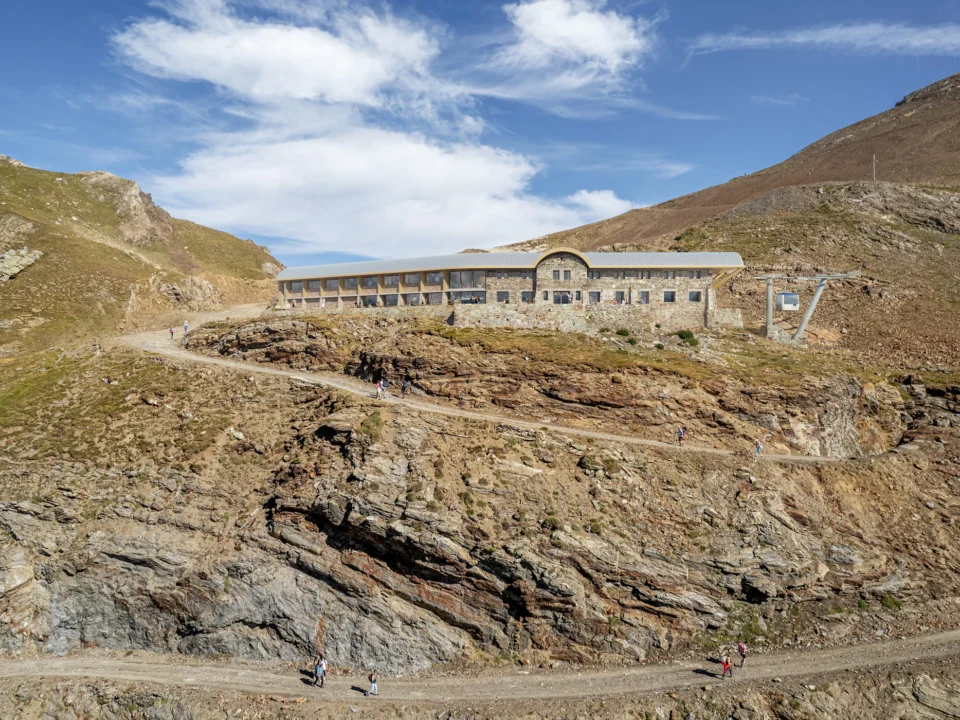
For hotels, the relationship with social media is more complicated than keeping cameras away. Photographs can introduce properties to potential visitors, and some businesses actively collaborate with influencers. Anna Fedou, chief marketing officer at hotel group Beaumier, said the company sometimes works with creators to promote its properties. These include Les Roches Rouges on the French coast. However, she stressed that the experience of people staying at the hotel comes first.
“We’re in the business of hospitality, not running photo studios,” Fedou said. “People travel from all over the world to experience the atmosphere, sense of space and feeling that make a hotel unique.” She added that protecting this experience is the hotel’s responsibility. According to Fedou, Beaumier does not have specific photography rules. Instead, it remains focused on guests’ comfort when accommodating content creation.
The debate also involves assumptions about how influencers earn money. Nicole Ocran, an influencer who founded the Creator Union to represent workers in the industry, said many posts are produced without payment. “They create content in the hope of courting brands and seeing who will bite,” she explained. Some receive complimentary stays in exchange for posts, while others hope to attract future partnerships. Ocran also acknowledged that creators can overstep when filming in public.
Fedou identified quieter shooting times as one way to avoid disturbing visitors. “Influencers will generally choose quieter moments for shooting content, to capture the space without disturbing others,” she said. She described Les Roches Rouges as having a relaxed atmosphere. Nevertheless, she stressed that the guest experience remains the priority.