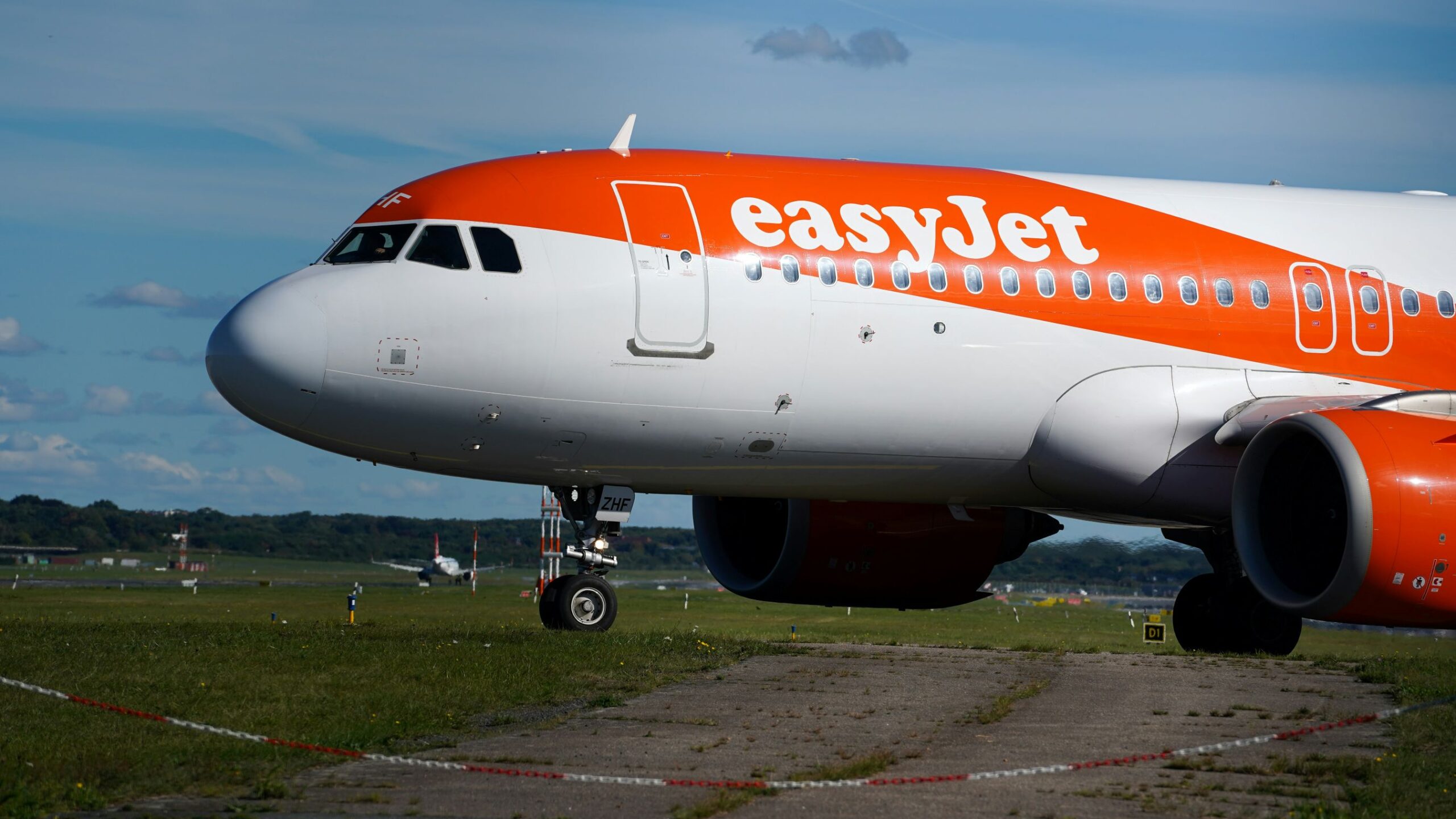


Air passengers heading to Portugal with easyJet face early autumn and pre-Christmas disruption due to strikes planned for October and December 2026. Crews voted in favour of the two-wave industrial action amid an ongoing dispute with the budget carrier over working conditions and pay.
Set to hit Faro, Lisbon, and Porto airports from 2 to 6 October and 19 to 23 December, the withdrawal of labour could affect thousands of flyers, with at least 500 scheduled flights expected to be grounded during the first walkout, and even more during the second wave, due to increased Christmas traffic volume.
The National Union of Civil Aviation Flight Personnel (SNPVAC) claims easyJet pays Portuguese crew “wages below those paid by other airlines operating in Portugal and below those paid by easyJet itself in other countries in the network” and called for salaries to be in line with the cost of living and the national minimum wage.
Other complaints include planning issues, roster instability, staff shortages, overtime pressure, and unequal treatment of stewards and pilots. Union members also allege easyJet has broken the terms of the collective labour agreement. The strike vote meeting was attended by 188 members and the decision to go ahead with the walkout was unanimous, SNPVAC said.
In a statement, SNPVAC called the deadlock over its grievances “long and intolerable” and said it believed easyJet was entrenched in its approach with an “ultimate aim” to “prolong indefinitely the position it has adopted.”
The union also accused the airline of undermining its members’ right to withhold their labour by replacing striking staff with managers and other colleagues from other countries.
For passengers, the strikes are likely to cause disruption at busy and inconvenient times, falling over the long weekend of Portugal’s Republic Day public holiday on 5 October, and impacting schedule the week before Christmas, a time when journeys to see family and friends, leisure and ski flights, and other seasonal trips should be taking place.
EasyJet says the sustainability of its Portuguese operations is at stake and has declared itself “extremely disappointed” in the strike over what it called “unworkable” demands, an outcome that mediation authority DGERT had been unable to prevent. The carrier insists its crew are paid more than minimum wage.
During the strike periods, a minimum-service operation may be dictated by authorities, and the airline has promised to make all attempts to minimise disruption to the travelling public.