

Thirty airlines continue to operate scheduled flights through Russian airspace or to destinations inside the country. Most are based in China, Central Asia, Türkiye, the Middle East and Africa. European and North American carriers, by comparison, largely stopped using Russian airspace following the invasion of Ukraine. The remaining airlines can sometimes operate shorter and less expensive routes between Europe and Asia.
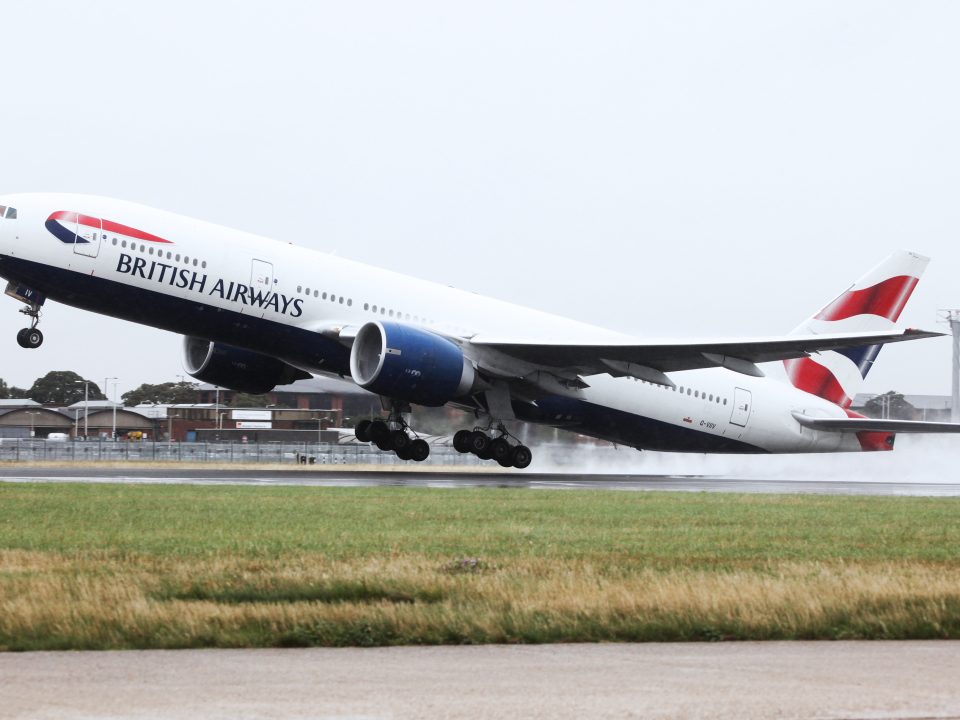
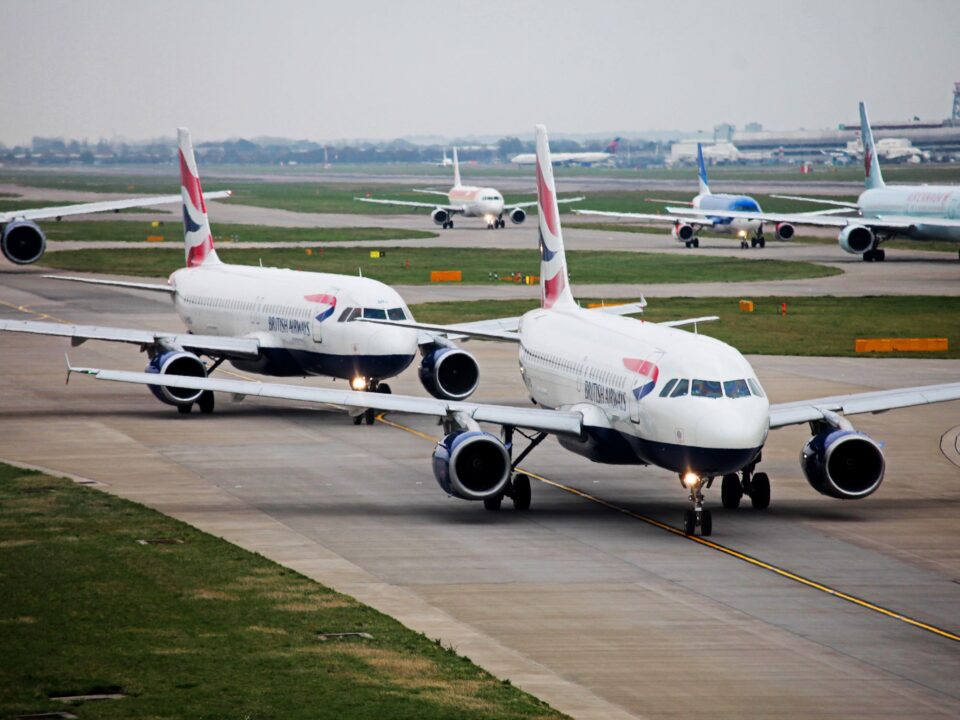
The aviation map changed drastically after Russia launched its full-scale invasion of Ukraine in February 2022. Ukraine immediately closed its airspace to civilian aircraft because of the fighting. The European Union, United Kingdom, United States, and several other countries then banned Russian airlines from entering their airspace. Russia responded by imposing restrictions on airlines from around 35 countries and territories. Most affected carriers were forced to cancel Russian services and reroute flights that previously crossed the country.
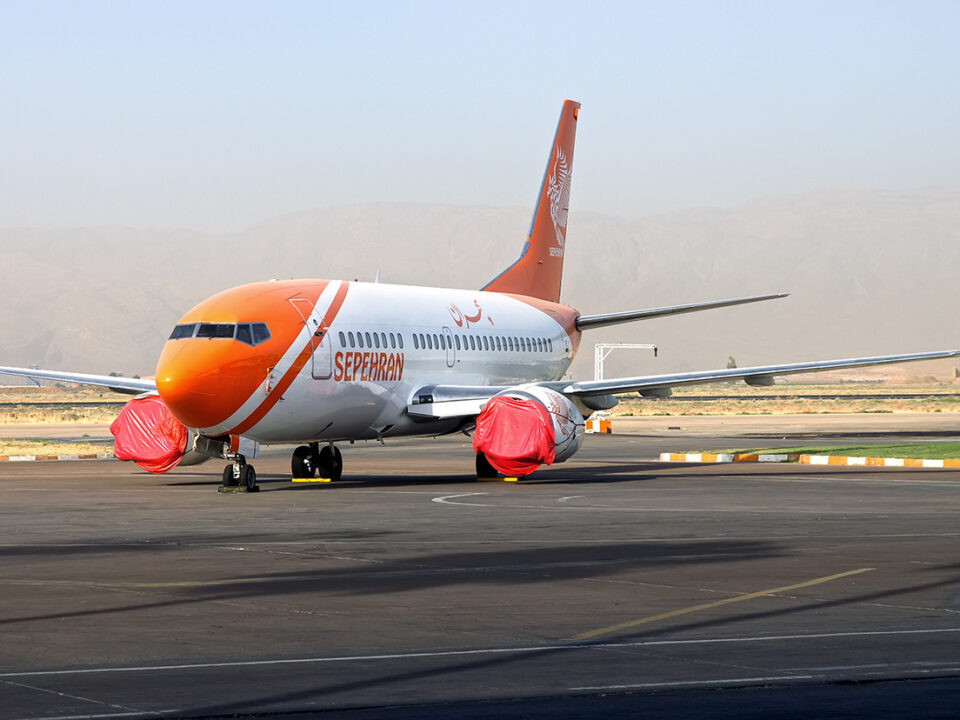
However, airlines from countries that did not introduce the same restrictions can still use Russian airspace. Some of them fly directly to cities such as Moscow and St Petersburg. Others cross Russia while travelling between Europe, the Middle East and Asia. Air India, for example, uses Russian airspace on some international routes but does not operate passenger services to Russian destinations.
30 airlines with scheduled flights continue to use Russian airspace
Asia and the Middle East: Air Arabia, Air China, Air India, China Eastern Airlines, China Southern Airlines, Emirates, Etihad Airways, flydubai, FlyOne Armenia, Georgian Airways, Hainan Airlines, Iraqi Airways, Mahan Air, Oman Air, Qanot Sharq, Qatar Airways, SCAT Airlines, Shirak Avia, Somon Air, Syrian Air and Uzbekistan Airways.
Africa: Air Algérie, EgyptAir, Ethiopian Airlines, Nouvelair and Royal Air Maroc.
Europe: Air Serbia, Belavia, Pegasus Airlines and Turkish Airlines.
Russia’s location makes its airspace particularly valuable for journeys between Europe and Asia. Airlines that cannot cross the country must take longer routes to the north or south. A journey between London and Beijing can be almost 1,000 miles longer when Russian airspace is avoided. This can add close to two hours to the flight, depending on the route and weather conditions. Longer flights also require more fuel and can result in higher operating costs.
These differences have created an uneven market for international airlines. Chinese, Indian and Gulf carriers may be able to offer shorter journey times than European competitors serving similar destinations. They can also use less fuel and require fewer working hours from pilots and cabin crew. European and American airlines have argued that this gives carriers using Russian airspace a commercial advantage. The detours also increase carbon emissions at a time when the aviation industry is trying to reduce its environmental impact.
Airlines that continue flying in the area say they regularly review the security situation. “We continuously assess all available information and will adapt our operations as necessary,” Qatar Airways said. The carrier added that its decisions are based on safety assessments, geopolitical developments and information from the relevant authorities. Pegasus Airlines cancelled some Russian flights on 1 and 2 September for what it described as technical and operational reasons. It later confirmed that its other services to Russia were operating as scheduled.
The continued use of Russian airspace has now received renewed attention following a warning from Ukraine. President Volodymyr Zelensky said Ukrainian drones were operating increasingly deep inside Russian territory, including near Moscow and St Petersburg. “Russian airspace is becoming completely unsafe,” he said in a video address. Ukraine has stressed that it does not target civilian aircraft, but it has officially informed the International Civil Aviation Organisation about the risks. Better known as ICAO, the United Nations agency develops international standards for civil aviation.
A large area extending from east to south of Moscow appears to be closed to air traffic.
— Watchman (@Watchma51035016) September 13, 2026
Significant delays at both VKO and SVO. pic.twitter.com/pfue01t1mf
The main concern is that a passenger aircraft could be mistaken for a drone or another military target. Civilian planes could also be caught in crossfire or affected by sudden airspace closures during an attack. “Miscalculation and/or misidentification is likely in areas related to the Ukraine conflict,” aviation-risk company Osprey Flight Solutions said. Russian air-defence systems include surface-to-air missiles that can reach aircraft at different altitudes. Ukrainian drone operations have already led to delays, cancellations and temporary restrictions at several Russian airports.
Russia has rejected Ukraine’s assessment and says its aviation system continues to operate normally. “We are constantly improving flight safety and airport security requirements,” Russian Transport Minister Andrei Nikitin said. He added that officials were working with the Russian defence ministry and National Guard. Russia’s civil aviation authority also said that airports remained open to both domestic and foreign airlines. Nevertheless, some international carriers have warned passengers that delays and diversions remain possible as the situation changes.
Previous incidents show why the risk of misidentification is taken seriously. Malaysia Airlines flight MH17 was shot down over eastern Ukraine in July 2014, killing all 298 people on board. In 2025, the ICAO Council found Russia responsible for the aircraft’s destruction. An Azerbaijan Airlines aircraft was also damaged near the Russian city of Grozny in December 2024 while Russian air defences were responding to Ukrainian drones. Russian President Vladimir Putin later said that two Russian missiles had detonated near the aircraft, which crashed in Kazakhstan and killed 38 people.