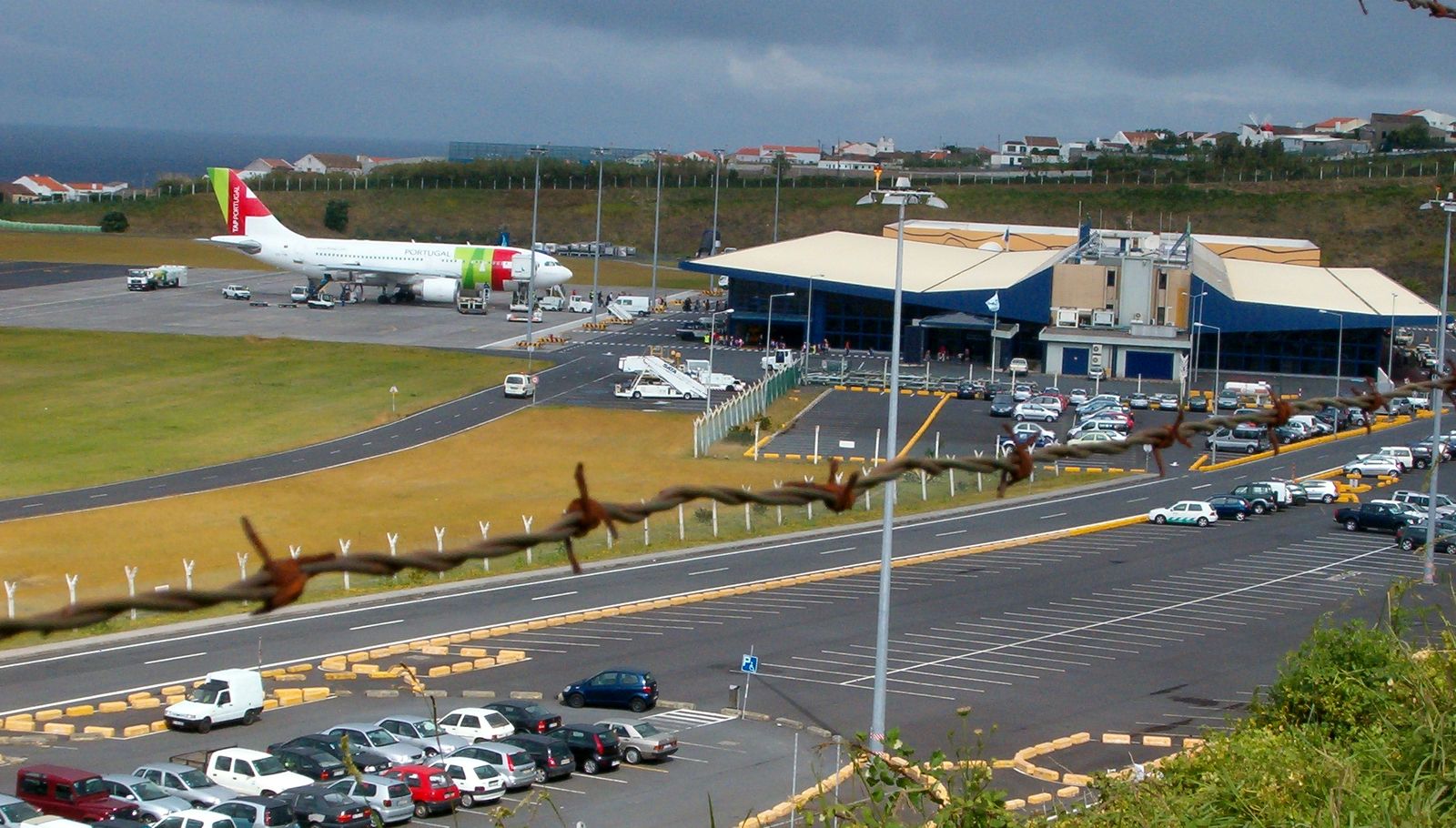



Portugal is pressing ahead with the modernisation of Ponta Delgada’s João Paulo II Airport as part of a wider strategy to upgrade the country’s aviation infrastructure while preparing the new Luís de Camões Airport that will eventually replace Lisbon’s existing hub.
Portugal’s Minister of Infrastructure and Housing, Miguel Pinto Luz, highlighted the transformation of the Azores’ main airport this week as part of the government’s national airport masterplan. According to figures shared by the minister, João Paulo II Airport handled around 3 million passengers in 2025, compared with approximately 1 million a decade earlier, reflecting the rapid growth of air travel and tourism in the archipelago.
Located on São Miguel, Ponta Delgada is the main aviation gateway to the Azores, providing connections with mainland Portugal as well as destinations elsewhere in Europe and North America.
Enquanto o Novo Aeroporto Luís de Camões é preparado, o Masterplan está já a transformar os aeroportos portugueses. Nos próximos dias vamos mostrar, o que está a mudar e porque estes investimentos são importantes para o futuro do país. Hoje, o aeroporto de Ponta Delgada. #MIH pic.twitter.com/Migigs7PFX
— Infraestruturas e Habitação PT (@iestruturas_pt) July 27, 2026
The airport’s expansion has evolved considerably since an earlier plan envisaged adding around 4,000 square metres, equivalent to approximately 30% of the terminal’s then-existing area. ANA – Aeroportos de Portugal subsequently unveiled a more ambitious redevelopment in November 2025, under which the terminal is expected to almost double in size by 2030, gaining around 15,000 square metres.
The project will increase check-in capacity to more than twice its current level and enlarge boarding gate areas, security checkpoints and border control facilities. The objective is to improve the passenger experience and operational efficiency while giving the airport greater capacity to accommodate continued growth.
For the Portuguese government, the investment also has a wider strategic importance, strengthening the connectivity of the Autonomous Region of the Azores and supporting an economy in which tourism has become increasingly important.
More than €400 million for Portugal’s airport network
The work in Ponta Delgada forms part of a national programme involving more than €400 million of investment in Portugal’s existing airport network, according to Pinto Luz. Rather than being allocated solely to the Azores, the funding covers infrastructure improvements across the country.
The programme is intended to address more immediate capacity and passenger needs while Portugal prepares for a much larger transformation of its aviation infrastructure: the construction of Lisbon’s new Luís de Camões Airport.
ANA presented its latest technical plan for the new airport last week. Located at the Alcochete Firing Range, across the Tagus from Lisbon, the project is currently estimated to cost between €7.9 billion and €8.9 billion at 2024 prices.
The airport is designed to open with two runways and a terminal of approximately 500,000 square metres, featuring 64 boarding gates and 72 air bridges. Initial capacity is projected at 56 million passengers per year, with the possibility of expanding to 85 million in the longer term.
The latest timetable foresees construction starting in 2029 and being completed in 2033, followed by testing and certification. ANA says the airport could consequently become operational from 2035, although the schedule remains dependent on the various approval, environmental and construction stages.
The project is also expected to be integrated into Portugal’s wider transport network. Plans include a high-speed rail connection that could reduce the journey between the airport and central Lisbon to around 20 minutes, using the planned Third Tagus Crossing.
Until the new airport becomes operational, investment will continue at Lisbon’s Humberto Delgado Airport as well as at other airports across the country, including Porto, Faro, Madeira and the Azores.
Taken together, the projects reflect the pressure that sustained growth in travel and tourism is placing on Portugal’s aviation infrastructure. In Ponta Delgada, where passenger volumes have roughly tripled over the past decade according to the government, that transformation is already underway.