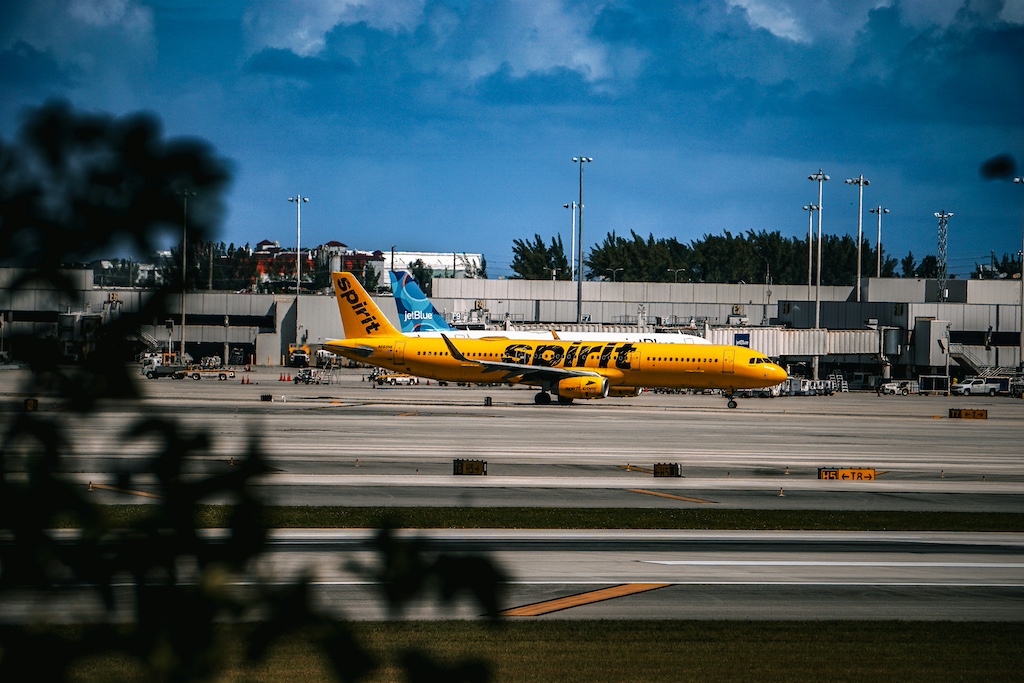



Amid the current Middle East jet-fuel crisis, commercial carriers in the United States may have experienced a shudder of schadenfreude as their low-cost rival Spirit Airlines finally went bust, leaving behind, according to analysts, a gap in the market, a fleet of bargain second-hand aircraft, and room for others to push up their own fares.
The demise of Spirit “will make it a lot easier for carriers that remain to raise prices to cover the higher costs they’re experiencing,” said Robert W. Mann Jr., a former airline executive officer and current president of R.W. Mann and Co., speaking to USA TODAY.
They should be cautious, however, about too much of an air fare bonanza, said Ahmed Abdelghany, associate dean for research and professor of operations management at Embry-Riddle Aeronautical University, who warned that by providing “the lowest price point in the market” Spirit had been “helping the consumer and forcing other airlines in many markets to match that low fare in some of their booking classes.” With that reference point gone, some consumers may be priced out of the game, which means everyone loses out.
In terms of fleet capacity, meanwhile, some airlines have been struggling to grow due to well-documented supply chain delays in aircraft manufacturing. Cirium data shows that Spirit had 172 planes on its last day of operations. Though 124 of those were leased and will go straight back to their owners, the others could in theory be up for grabs. Still, a sales process governed by bankruptcy proceedings is slow, so unlikely to provide an immediate glut of planes.
Workers on the other hand, are not subject necessarily to the same sales conditions for their labour, meaning some if not all of Spirit’s reported 17,000 employees could be snapped up by competitors looking to grow, especially because post-COVID-19 staffing in aviation has been a notorious problem.
Neither is the bankruptcy turnaround delay applicable when it comes to satisfying customer demand in the marketplace. Just two days after Spirit’s closure, JetBlue announced nearly a dozen new routes out of Fort Lauderdale, Spirit’s former Florida base.
“We’re stepping up for Fort Lauderdale to ensure the availability of air service in this market,” Marty St. George, JetBlue’s president, said in a statement. “Our focus is simple: Make it easier for customers to stay connected with the people and places that matter, while delivering the service, comfort and value they expect from JetBlue.” JetBlue, which has not been without its own financial woes, shores up its own position with the move—making it more likely to secure a rescue deal of its own should it be required in the future, Mann said.