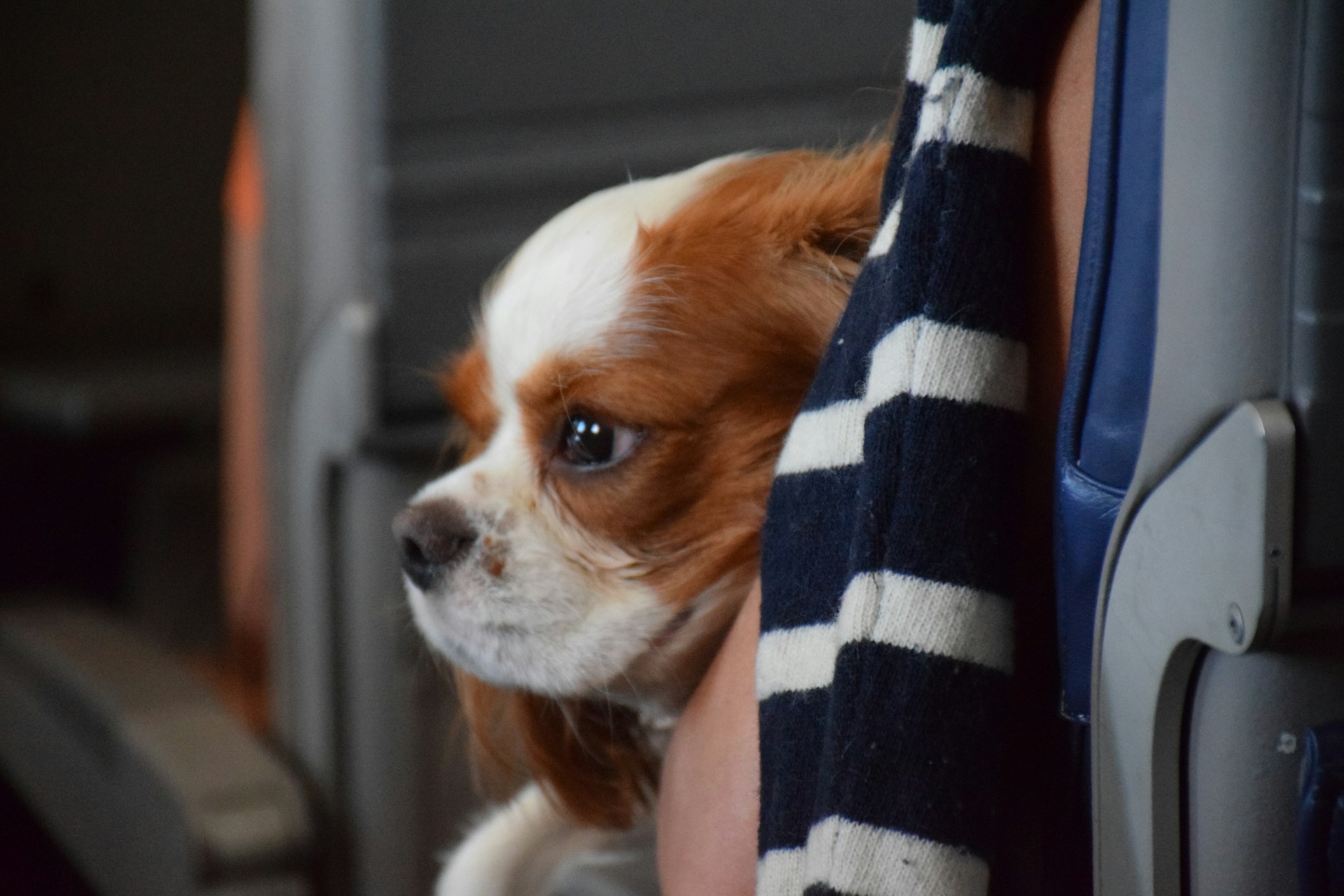



Small pets are currently not allowed to travel in the cabin on most flights entering the UK, and that rule is now being challenged. A growing petition is calling on airlines to change their policies and allow animals to stay with their owners during the journey. The campaign has gained attention thanks to Peggy, a dog once named Britain’s ugliest. Her owner, Holly Middleton, has been sharing her travel experiences to highlight the issue. More than 13,000 people have already signed the petition, showing strong public interest.
Peggy, a pug and Chinese crested cross, has travelled widely and even appeared in the Marvel film Deadpool & Wolverine. While she can sit in the cabin on some outbound flights from the UK, returning home is far more complicated. Current rules require pets to travel as cargo unless they are assistance animals or on private charter flights. As a result, many owners must look for alternative routes to re-enter the country. These journeys can involve combining flights, trains, and ferries, which often makes travel longer and more stressful.
Middleton says the system feels inconsistent, as pets are allowed in the cabin when leaving the UK but not when coming back. She has had to travel through European cities such as Amsterdam before taking a ferry home. According to her, all the required health checks and paperwork are already completed in advance. Allowing pets in the cabin would therefore not introduce new risks. Supporters also point out that several other countries already permit small animals in the cabin under strict conditions. They argue the UK should follow a similar approach while maintaining safety standards.
Not everyone supports the proposed changes. Organisations such as Allergy UK warn that animals in the cabin could pose health risks for some passengers. In a confined space like an aircraft, exposure to pets may trigger serious allergic reactions, including asthma attacks. Others are concerned about how animals might behave during a flight, especially if they become stressed or unsettled.
The UK government has acknowledged that many people want to travel with their pets in the cabin. At the same time, it stresses the importance of strict biosecurity measures and health checks at the border. Current regulations are designed to prevent the spread of diseases and ensure all animals entering the country meet safety requirements. The petition must reach 100,000 signatures before it can receive an official response. Until then, the debate is likely to continue among travellers, airlines, and policymakers.
The discussion comes at a time when travelling with pets has already become more complicated for UK residents. Since April 2026, pet passports issued in the UK are no longer valid for travel to the European Union. Travellers must now apply for an Animal Health Certificate for each trip. This document confirms that pets meet health requirements, including vaccinations, but it adds extra cost and preparation. It must also be arranged before every journey, which can be time-consuming.
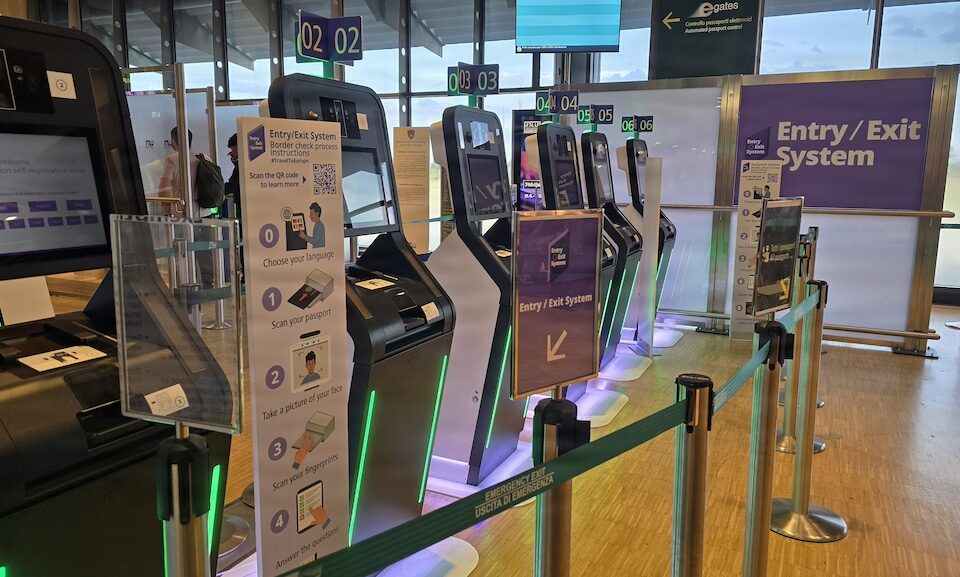
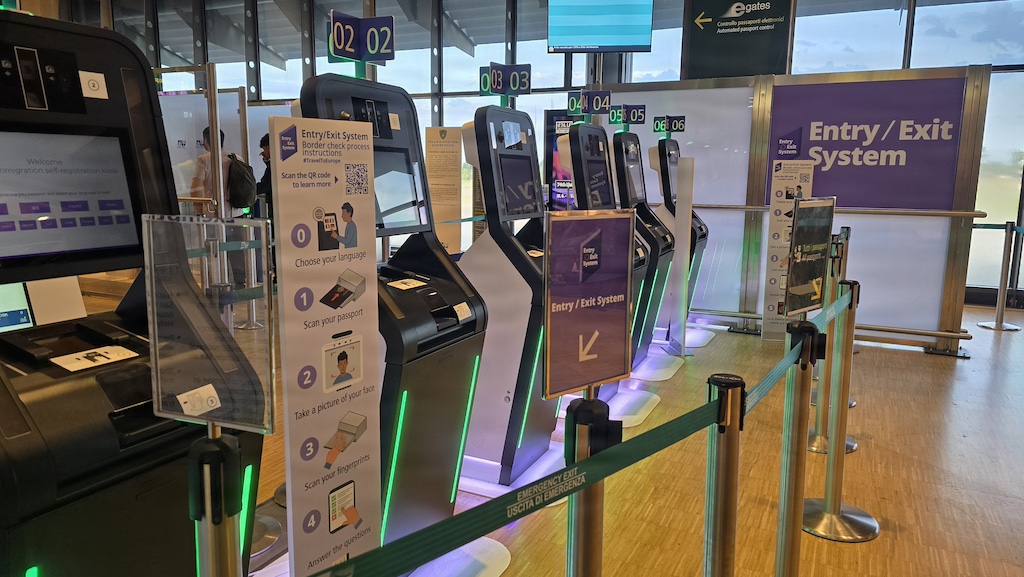
Additional rules have further increased the complexity of travelling with animals between the UK and the EU. Pets must travel with their owner, or arrive within five days, and there are limits on how many animals can be transported at once. Travellers may also face longer waiting times at borders due to new entry systems and checks. Together, these changes have made international travel with pets more demanding.