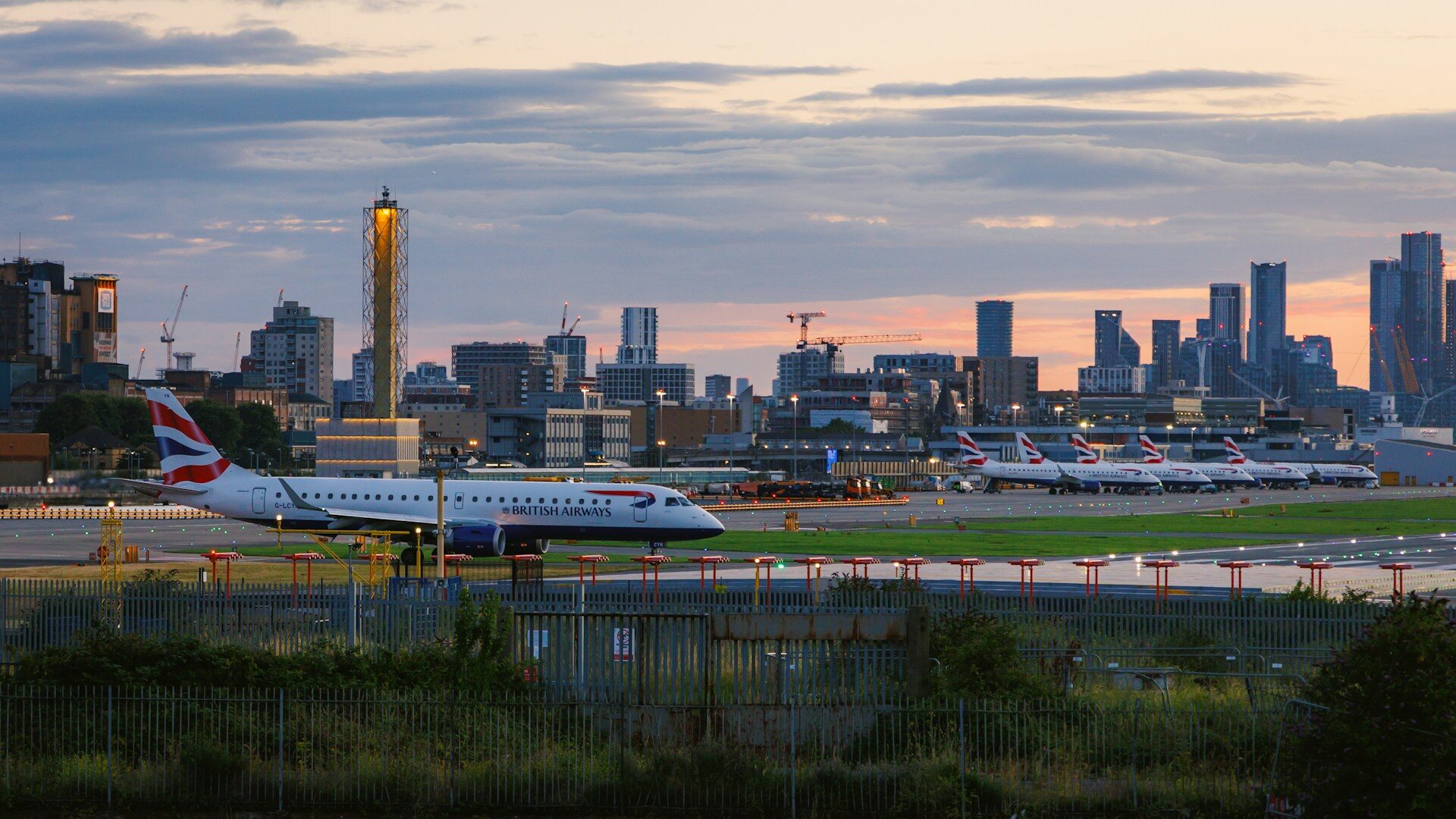



In the face of ongoing uncertainty in the Middle East and mounting pressure on jet fuel supplies, the UK government has granted airlines temporary flexibility to cancel or consolidate flights without jeopardising their airport slots. In practice, this enables airlines to merge services and redirect passengers, thus avoiding the need to operate “ghost flights” that would otherwise be near-empty and wasteful of fuel.
This measure has been presented as a win-win for both passengers and airlines. Travellers gain greater certainty ahead of the summer season, while airlines retain access to highly valuable take-off and landing slots at busy hubs such as Heathrow and Gatwick. These slots can be worth tens of millions of pounds and roll over from one year to the next, provided they are used at least 80% of the time.
The Department for Transport (DfT) stated that this temporary relaxation of regulations would help airlines “build realistic schedules” and avoid last-minute disruption. The plan was agreed by Transport Secretary Heidi Alexander, airport operators and major carriers, including British Airways, Virgin Atlantic and easyJet.
“This legislation gives airlines the tools to adjust flights in good time,” said Alexander, adding that the aim is to “protect passengers and businesses” and provide “long-term certainty”, rather than reacting to an immediate supply crisis.
The logic behind the new measure has raised eyebrows. The BBC has asked travel expert Simon Calder to explain the reasoning behind “cancelling flights to prevent cancellations”. Calder noted that the aim is to prioritise holiday flights over business departures. This would enable the consolidation of multiple daily services on busy routes, such as Lufthansa’s Heathrow – Frankfurt schedule, and the transfer of passengers to fewer, fuller flights. This would save fuel for leisure routes with less frequent services and help avoid last-minute chaos.
Heathrow-Frankfurt? Don't be surprised if Lufthansa reduces its 10 daily flights by 2 or 3.
— Simon Calder (@SimonCalder) May 2, 2026
Luton-Mykonos is much more likely to go ahead.
Some holiday flights may still be cancelled, but that is the airlines' problem: to find a way to get you to your destination on the same day.
This measure is essentially a plan B in case the situation in the Middle East escalates further. Most European airlines have now reached the critical three-month supply threshold flagged at the start of the conflict on 28 February, when the joint US-Israel strike on Iran quickly engulfed the region. Despite a fragile ceasefire, Iran continues to block or severely disrupt the Strait of Hormuz, a key route for transporting jet fuel. The UK imports around 65% of its jet fuel, much of which comes from the Middle East.
The International Energy Agency (IEA) has already warned of potential supply pressures in Europe from June. In response, the UK is increasing imports from the US and Africa, while also urging domestic refineries to maximise output.
Reactions remain mixed. Conservatives have criticised the approach as “herding passengers onto a different plane at the airline’s choosing”, though consumer groups have noted that existing regulations already allow for such changes, provided sufficient notice is given.
An update on jet fuel and passenger travel plans ⬇️ pic.twitter.com/A2ESfZnazu
— Department for Transport (@transportgovuk) May 3, 2026
Rob Bishton, chief executive of the UK Civil Aviation Authority, said that “relaxing the rules around slots at airports will allow airlines more flexibility, so we expect them to give passengers as much notice as possible of cancellations during this period”.
The key takeaway for passengers remains unchanged: know your rights. If your flight is cancelled or significantly altered, you may be entitled to re-routing or compensation under UK and EU regulations, particularly if the airline provides less than 14 days’ notice.
This measure is expected to be formalised through a statutory instrument later this week, as the industry attempts to stay ahead of what could be a challenging summer for global air travel.