

One of the world’s most visited pilgrimage destinations is set to gain its own airport and metro system, making holy trips easier for millions of arrivals every year and potentially opening opportunities for a wider range of pilgrims.
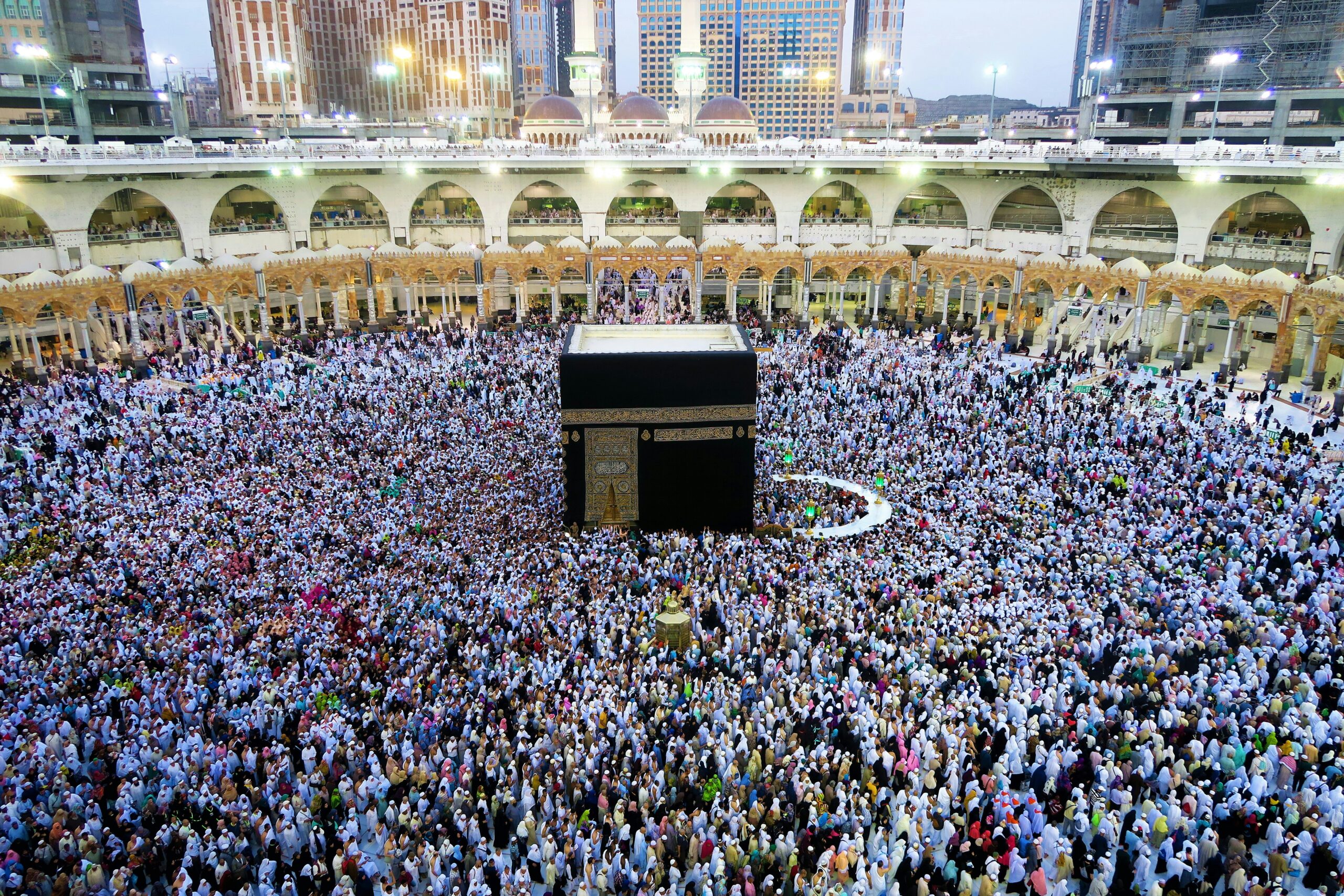
Mecca, in Saudi Arabia, the site of Hajj—the annual pilgrimage that is a mandatory once-in-a-lifetime duty for all financially and physically capable Muslims—does not currently benefit from a direct air link. The city’s surrounding geography and meteorological conditions, including turbulence and visibility issues from mountain thermals, have historically not been considered ideal for airport provision.
That means most international visitors fly into King Abdulaziz International Airport in Jeddah, over 100km away. The connecting overland trip can be made by coach or private transfer, or the Haramain High-Speed Railway, an electric train between Jeddah, Makkah and Medina.
When people arrive in Mecca, they face trips on the 400-strong bus fleet launched in 2022 to ferry people around the city. To date, the bus service has carried more than 185 million passengers, official figures say. However, with so many visitors arriving at once, congestion (and deadly crushes) are notorious. Last year, Saudi Arabia hosted more than 1.5 million foreign pilgrims for Hajj, who arrived from abroad through various entry points, according to data from the General Authority for Statistics (GASTAT).
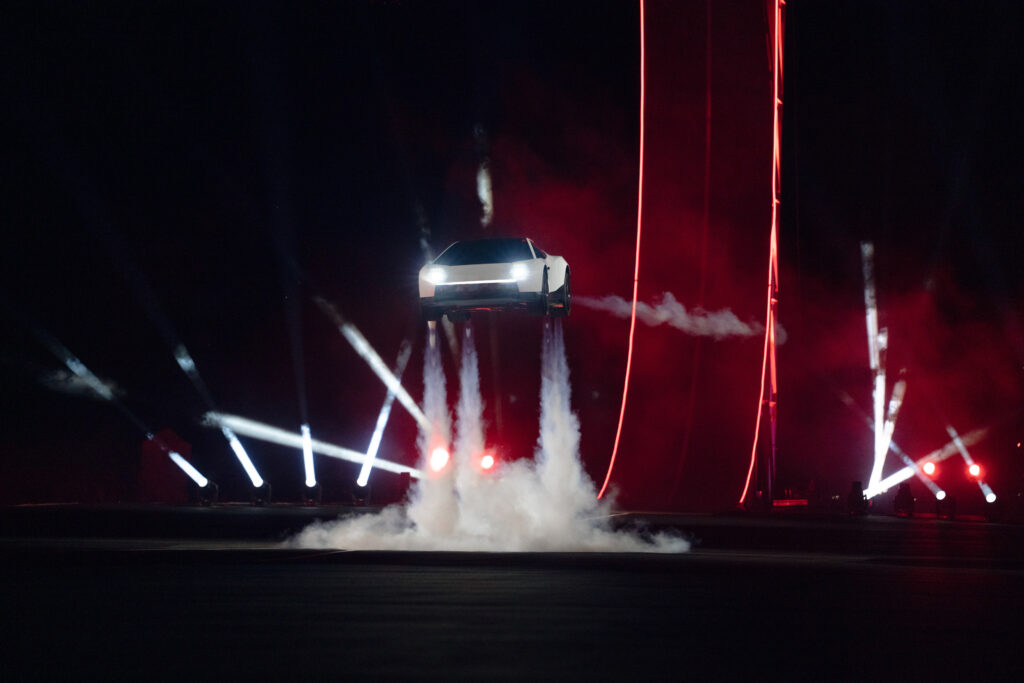
To relieve ground transport traffic, the kingdom trialled the use of electric vertical take-off and landing craft (eVTOLs) in 2025, with a view to using the autonomous electric aerial vehicles for emergency and medical transport. Pilotless air taxis are planned for this year.
Makkah International Airport. Following in-depth feasibility studies, the airport will be developed alongside the private sector to ensure world-class standards for residents and visitors while maintaining the economic balance of neighboring regional airports.
— The Holy Mosques (@theholymosques) April 1, 2026
And now, a new way to undertake the holy journey could be coming, according to Saleh Al-Rasheed, CEO of the Royal Commission for Makkah City and the Holy Sites (RCMC), speaking to Harvard Business Review Arabia. He told the outlet that feasibility studies and initial designs have been completed, and that economic and investment plans have received green lights from relevant authorities. “Work will proceed with the private sector to develop the most suitable model for this investment,” Al-Rasheed said, emphasising that the development would not undermine existing hubs, such as Jeddah, which have received significant investment and been expanded in recent years.
In addition to the proposed airport facility, Al-Rasheed was optimistic about plans for the “Mecca Metro” project, confirming that “feasibility studies and initial designs have been completed and submitted to the relevant authorities to complete the necessary procedures in preparation for launching it in its next phases.”